
13 Effective Products, Tools and Ways to Remove and Prevent Hard Water Stains and Hard Water Buildup
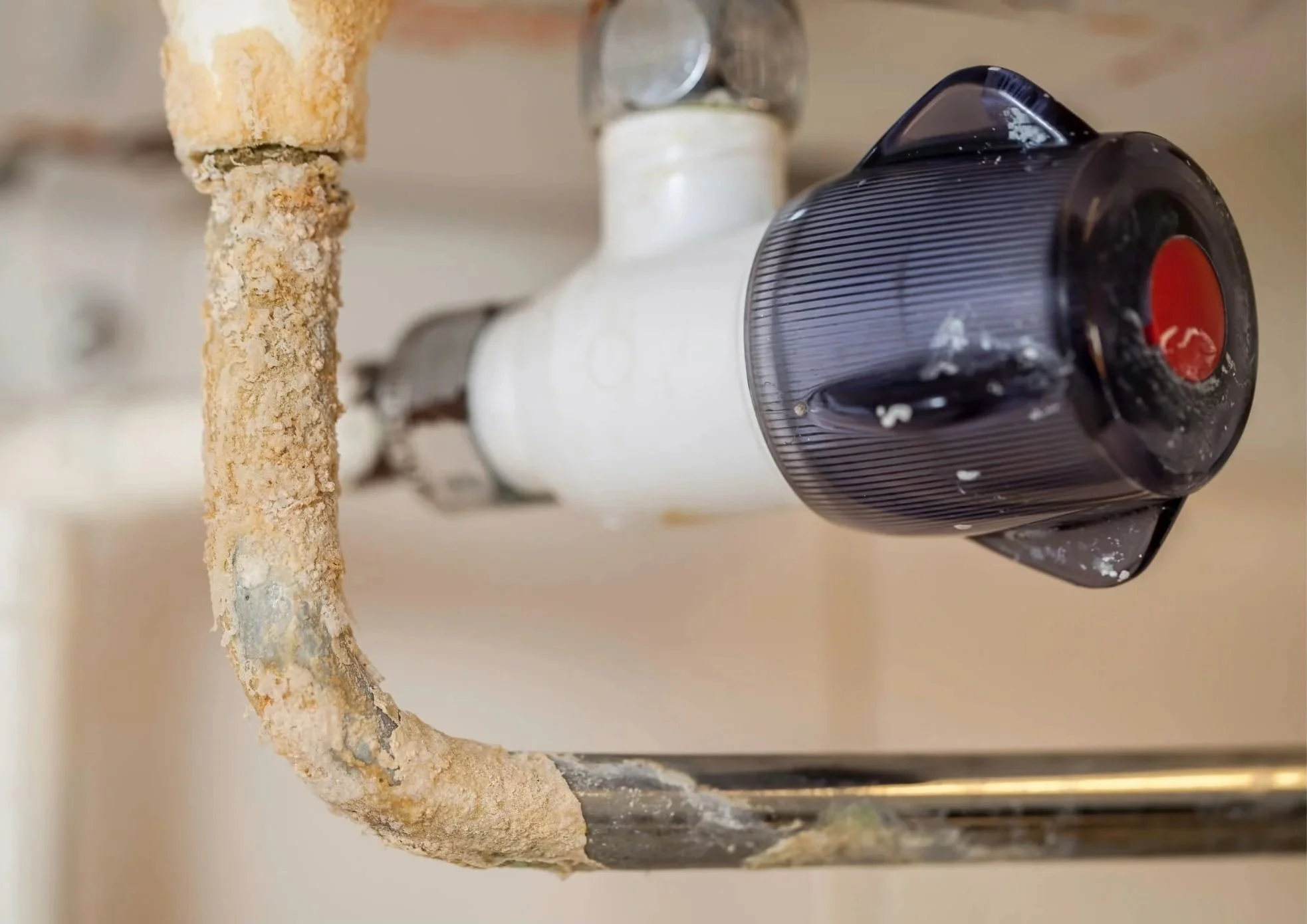
Hard water is a common challenge faced by homeowners. It is known by many names – limescale, mineral deposits, hard water – but the meaning and the ungodly sight is all the same.
Before we can eliminate this, it is important to know more about this age-old common enemy. As the ancient strategist and philosopher Sun Tzu wisely said, “To know your enemy, you must become your enemy.” So let us first learn what this phenomenon is, how it came to be, and what implications this brings to our health and home.
What is hard water and how does it come to be?
Hard water is water that contains high concentrations of dissolved minerals, primarily calcium and magnesium ions. We observe the impacts of hard water in frequently used areas like the bathroom and kitchen, where mineral deposits and buildup are commonly evident. This does not happen overnight, but the results are quite daunting and unsettling if left undealt with.
What are the effects of hardwater?
Hard water in itself is not harmful. It may even be beneficial to our health as it contributes to our body’s dietary calcium and magnesium intake.
Despite its potential health benefits, it can still cause scale buildup in pipes, water heaters, and appliances, reducing their efficiency and lifespan. It reduces the effectiveness of soap and detergent, leading to more soap usage and potential residue on dishes and laundry.
Therefore, more hard water buildup = more products used and wasted.
While this problem continues to exist, there are several ways to eliminate and prevent it- and I don’t mean using the toilet bowl cleaner! We learned in our previous blog that misusing toilet bowl cleaners may lead to irreversible damage.
I turned to our team of experts for some useful tips and tricks for you to try at home. Chances are, you already own some of these items- so keep reading to find out more!
A Touch Above - Approved Cleaning Solutions and Tools for Removing Hard Water Buildup and Stains
Friendly reminder: Always wear rubber gloves when cleaning, especially if it involves chemicals. Safety first!
PRODUCTS
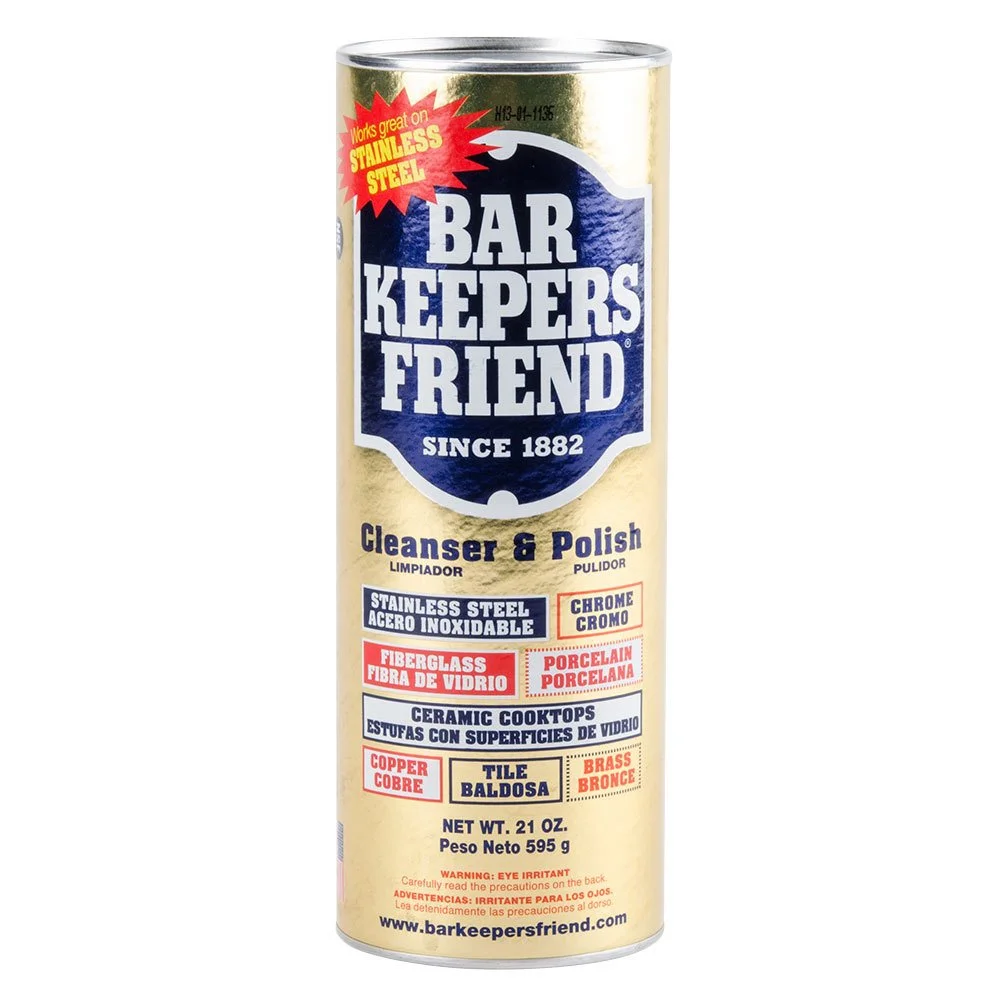
Bar Keepers Friend (Powder)
Used for:
Stainless steel, copper, brass, chrome
Porcelain, ceramic, glass
Bathtubs, sinks, faucets, shower heads
How to use:
Wet the surface first
Sprinkle small amount to areas of concern
Gently rub with a wet sponge
For tougher areas, use steel wool (test in an inconspicuous area first to avoid damage)
Rinse thoroughly
Ensure it is not drying with white residue.
If white residue is present, use multi-surface cleaner, then wipe the area with a magic eraser or a rag and rinse thoroughly.
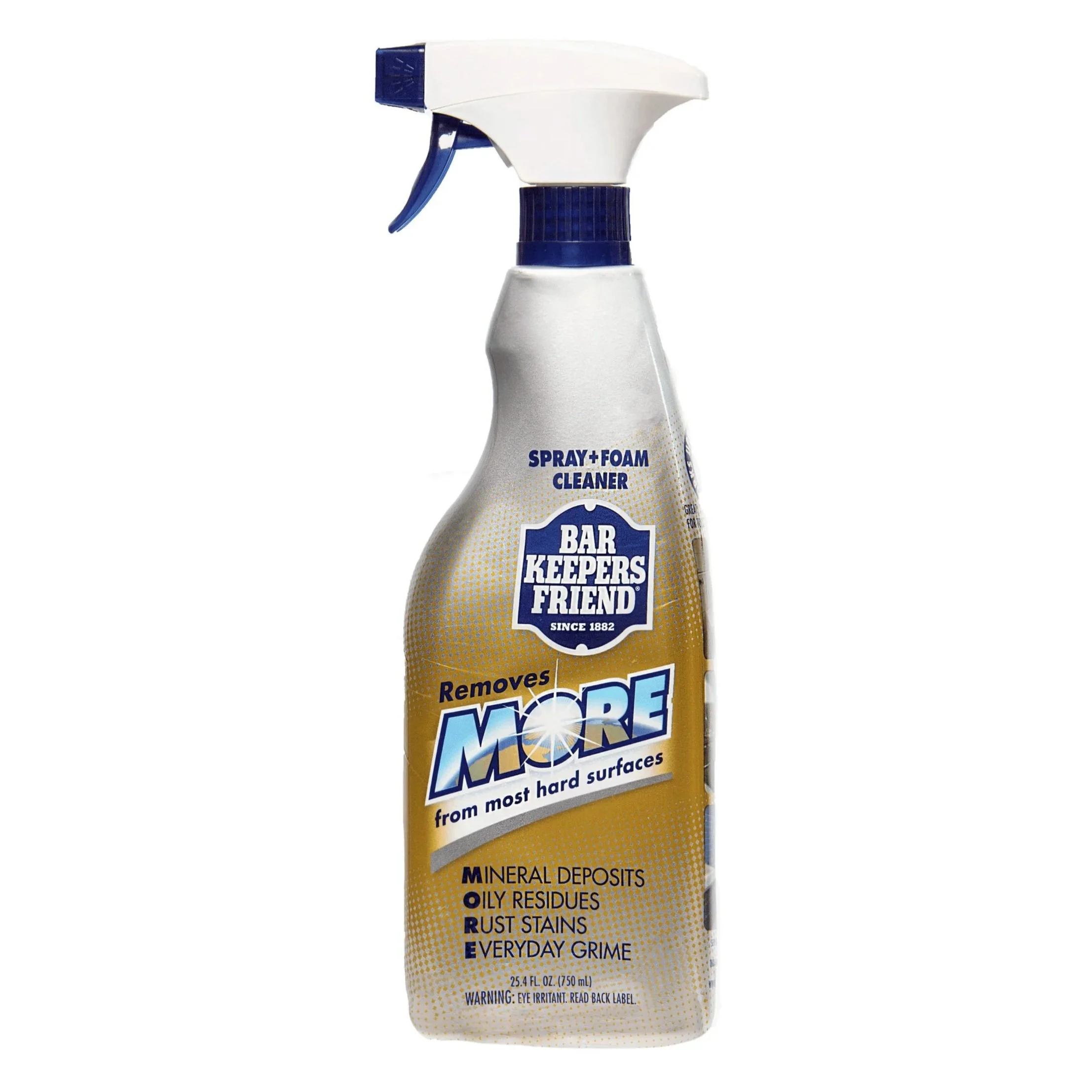
Bar Keepers Friend (Spray)
Used for:
Stainless steel, copper, brass, chrome
Porcelain, ceramic, glass
Bath tubs, sinks, faucets, shower heads
How to use:
Test first in an inconspicuous area to see how the surface reacts to the spray
Spray the surface and gently rub with a wet sponge
Rinse thoroughly within one minute
Ensure it is not drying with white residue.
If white residue is present, use multi-surface cleaner, then wipe the area with a magic eraser or a rag and rinse thoroughly.
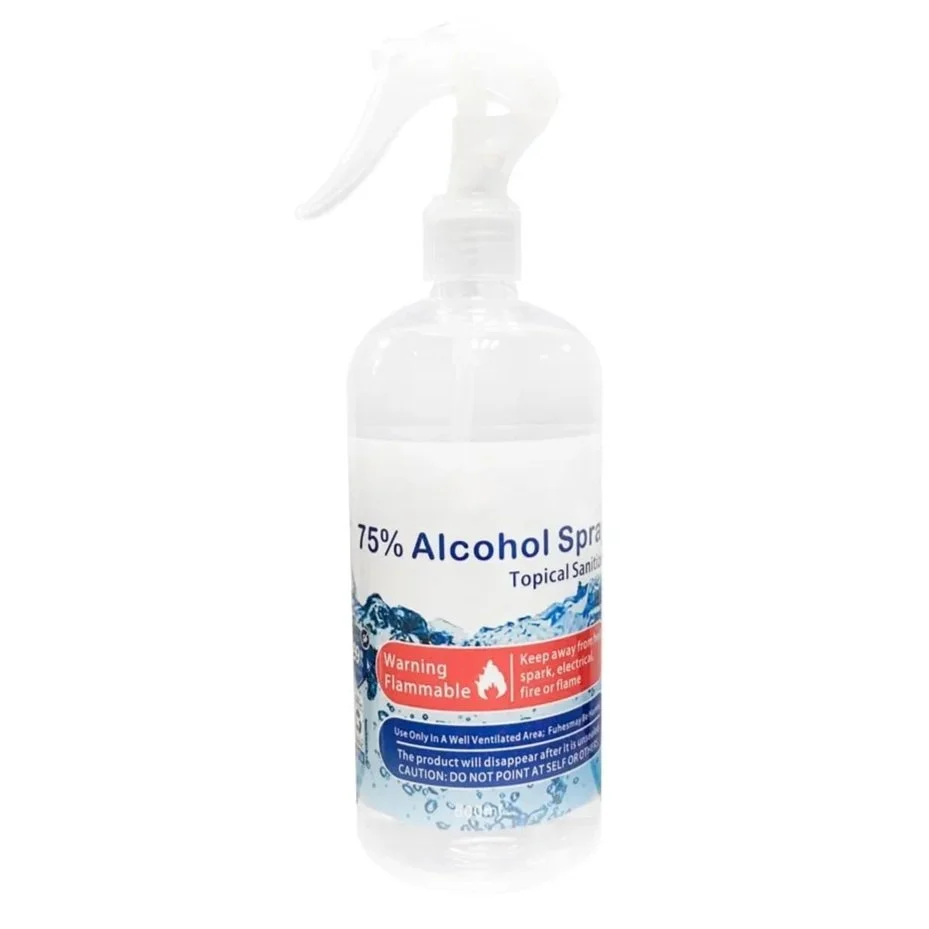
Rubbing Alcohol
Used for:
Porcelain
Glass & mirrors
How to use:
Combine a solution of ¼ cup rubbing alcohol and 1 cup of water
Spray the solution to areas of concern and let it sit briefly
Using a sponge, gently work to remove the hard water
Repeat the process as necessary
Rinse thoroughly
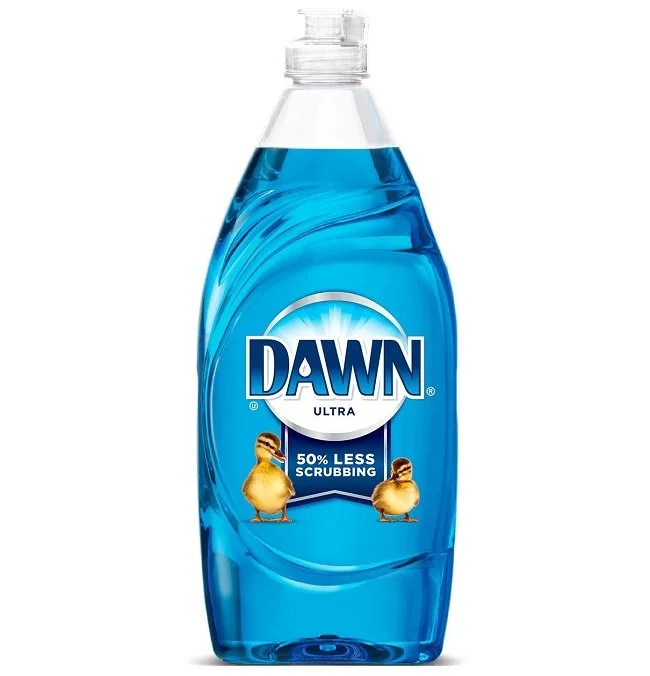
Dawn Dish Soap
Used for:
Stainless steel, copper, brass, chrome, aluminum
Glass, ceramic, porcelain
How to use:
For hard water on glass, combine Dawn dish soap with hot water. Make sure you use a good amount of soap for optimal results
Gently scrub the surface with the soapy water and a wet sponge
Repeat the process as necessary
Rinse thoroughly
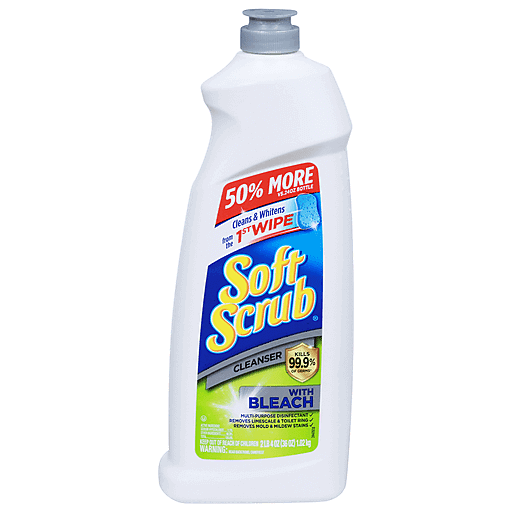
Bleach Cream Cleanser
Used for:
Porcelain bathtubs, toilets, sink,
How to use:
Apply the solution to the stained area
Let it sit for 10-15 minutes
Scrub gently with a sponge
Rinse thoroughly with water
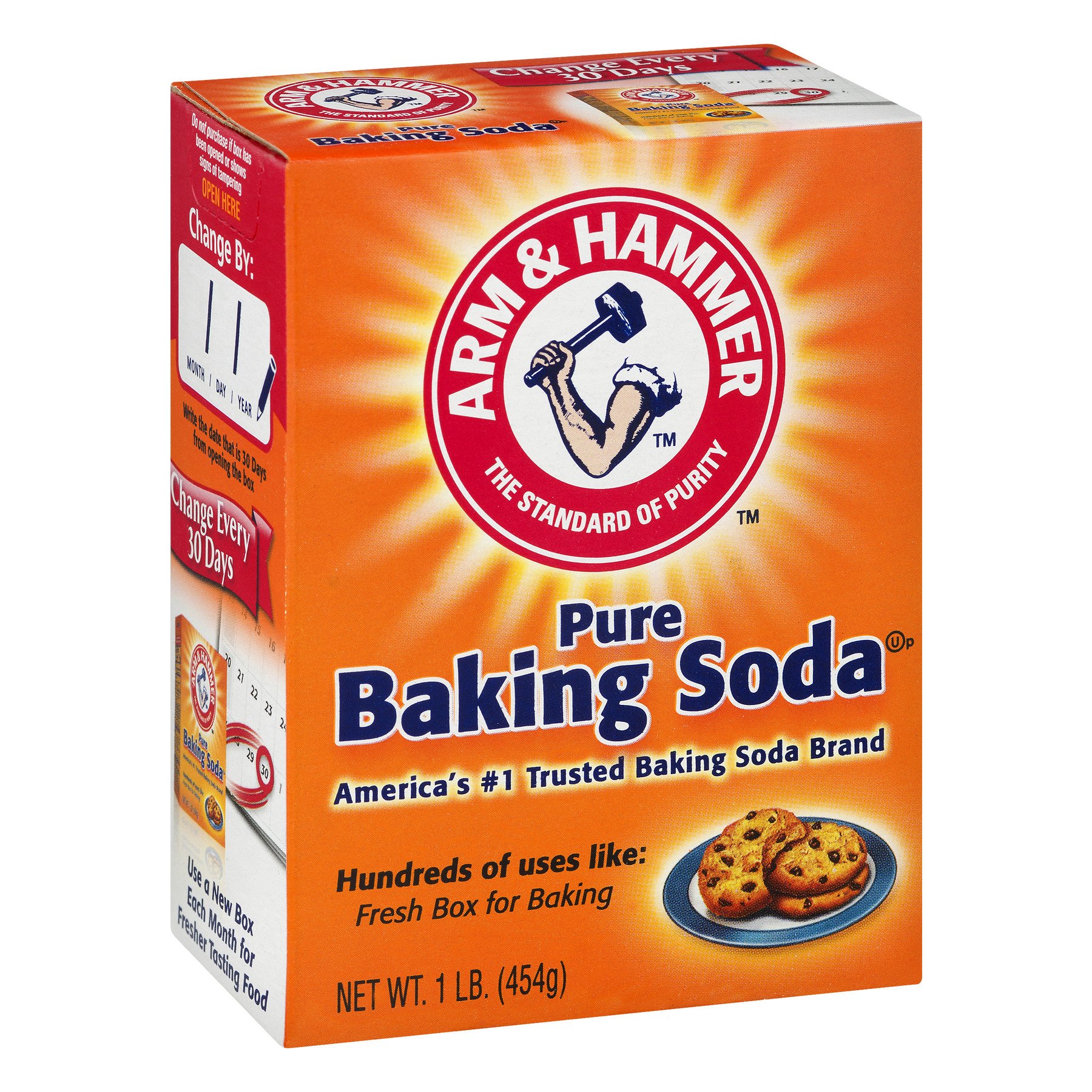
Baking Soda
Used for:
Bathtubs, toilets, sink, dishware, glass
How to use:
Mix equal parts baking soda and water to create a paste
Apply the paste to the affected areas
Mix 1 cup of vinegar and 1 cup of water
Spay the solution into the sink over the paste
Let it fizz and let it sit for about 10 minutes
Gently rub with a sponge
Rinse thoroughly
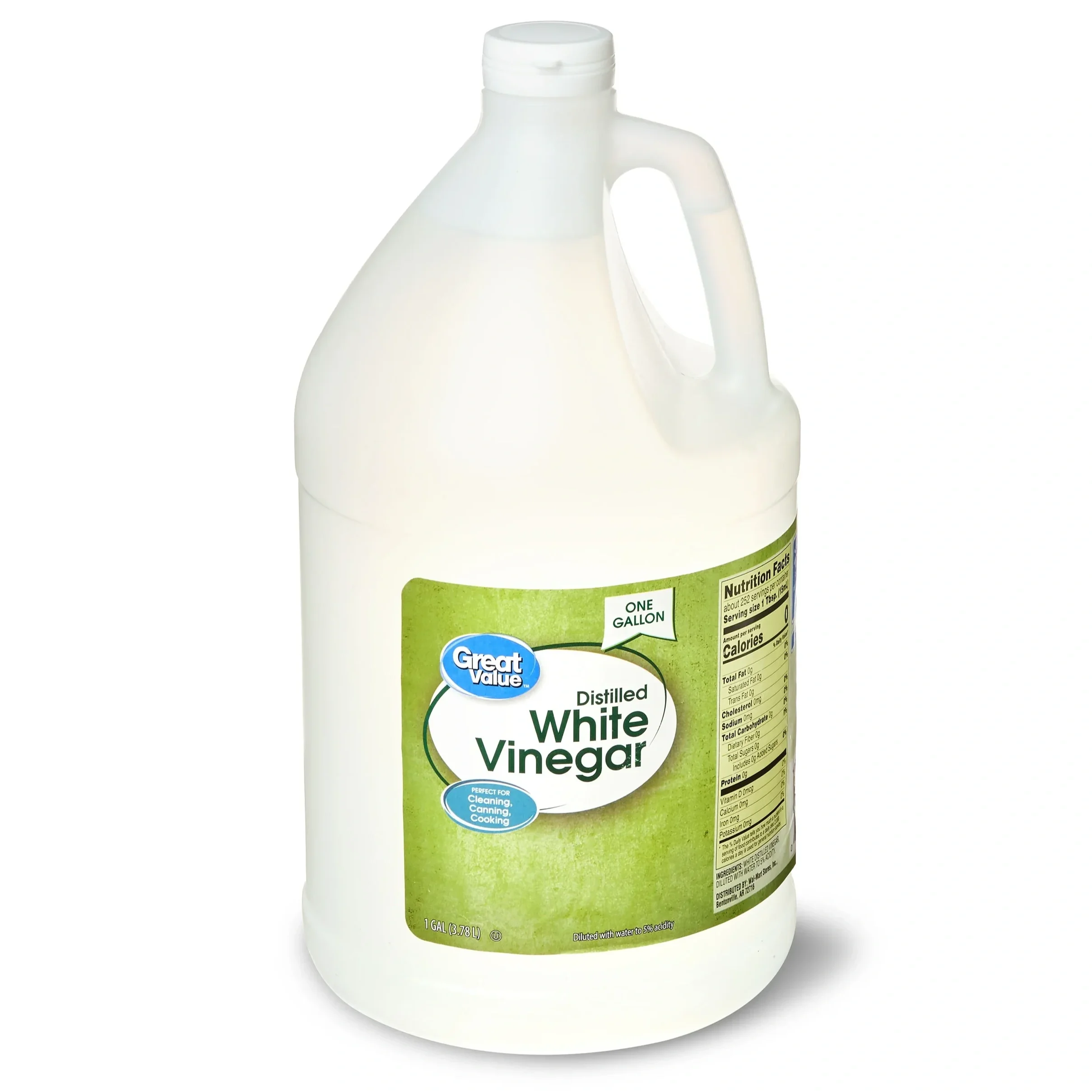
White Vinegar
Used for:
Shower heads, faucets
Stainless steel, copper, brass, chrome, aluminum
Glass, ceramic, porcelain
How to use (for shower heads or faucets):
If the shower head can be removed, take it off and soak it in vinegar
If the shower head cannot be removed, fill a plastic bag with enough vinegar to submerge, then secure the bag around the faucet or shower head using a rubber band or tape
Let it soak for an hour, or overnight for more stubborn buildup
Rinse thoroughly with water to remove any remaining vinegar and loosened deposits
How to use (on other surfaces):
Spray generously over areas of concern
Let it sit for a while
Scrub with a sponge or steel wool - if safe for surface, be careful not to cause damage
Rinse thoroughly
TOOLS
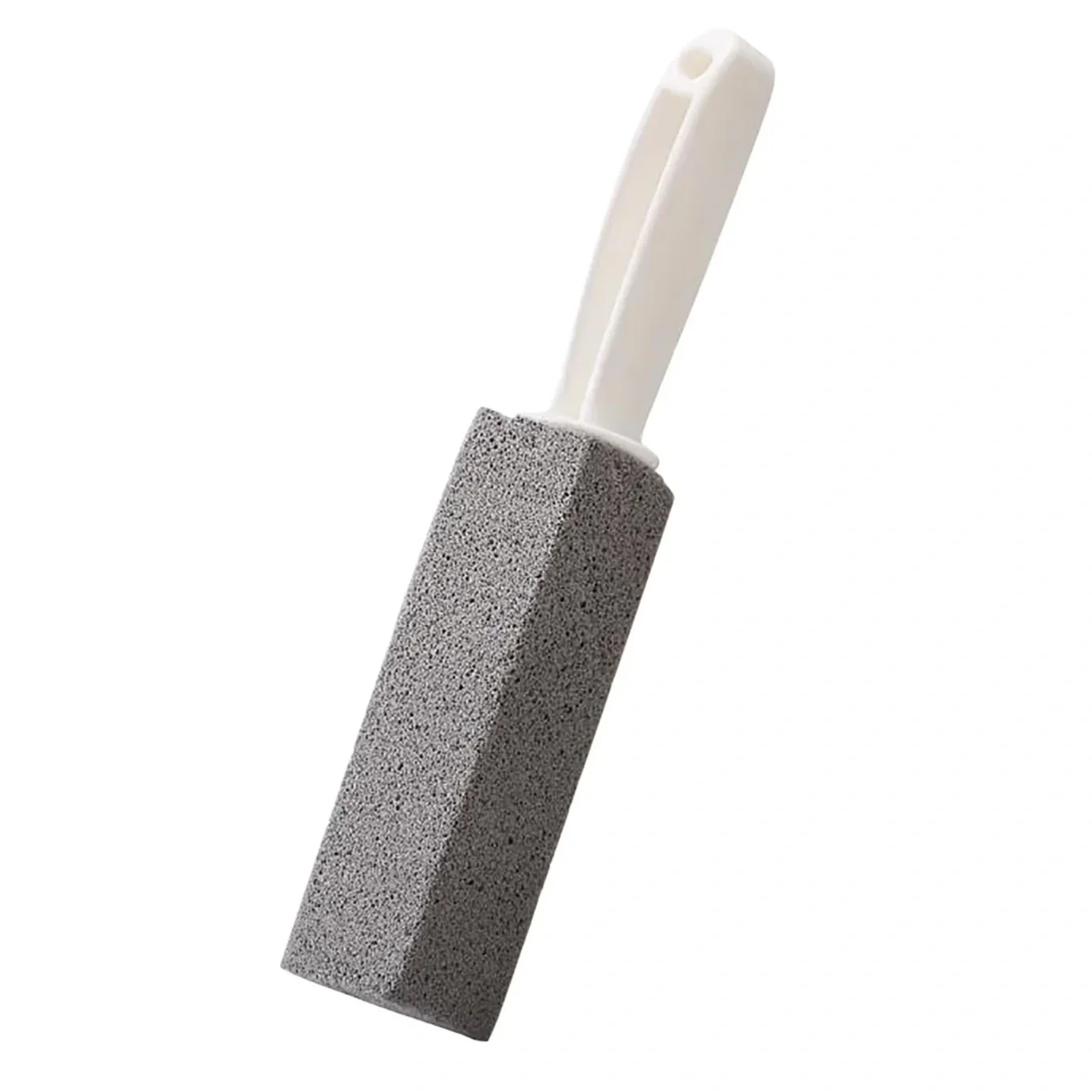
Pumice Stone
Used for
Ceramic, porcelain only
Toilet bowls, sinks, tubs
How to use:
Soak pumice stone in water
Test in an inconspicuous area first
Ensure it remains wet for the duration of its use to prevent scratching
Use gentle pressure
Be cautious with delicate surfaces
Follow up with a multi-surface cleaner or cream cleanser for better results
Rinse thoroughly
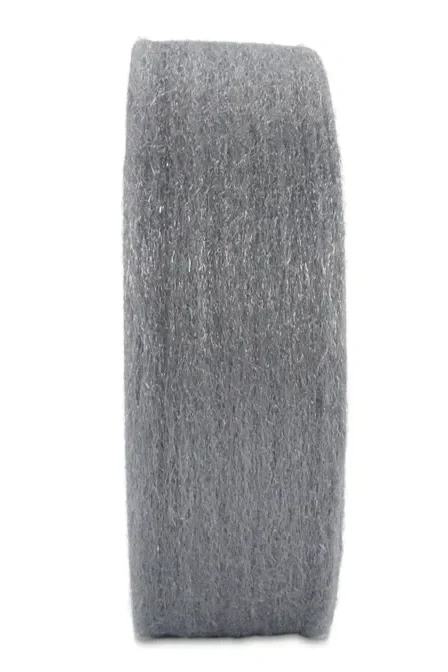
Steel Wool
Used for
Stainless steel, copper, brass
Gently on glass
Stove tops and inside of appliances
How to use:
If used on a delicate surface, ensure that the surface is wet to avoid scratching or damage
Always use light pressure
Scrub lightly in circular motion
Follow up with a surface-safe product for better results
Rinse thoroughly
Throw away after each use. They will rust and can damage the next surface they touch.
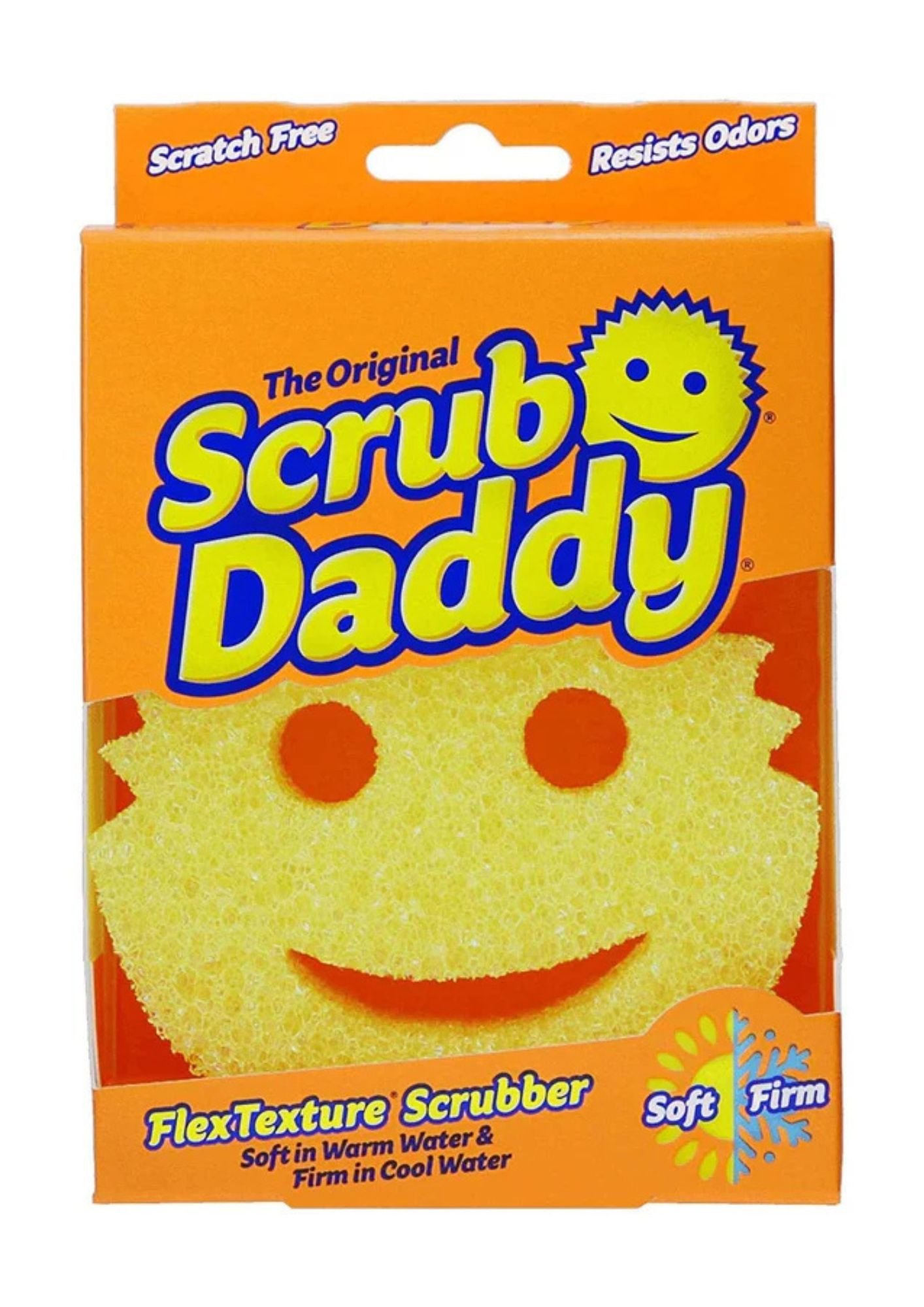
Scrub Daddy
Used for
Glass, porcelain, ceramic
Showers, tubs, sinks
How to use:
For a softer sponge, soak in warm water
For a firmer sponge, soak in cold water (this method is more abrasive)
Goes well with any cleaning products
How to keep hard water stains and buildup at bay
While we've explored various products, tools, tips, and tricks for removing hard water stains, prevention remains the most effective approach. As the saying goes, “Prevention is better than cure,” and taking proactive steps can save you time, effort, and money in the long run.
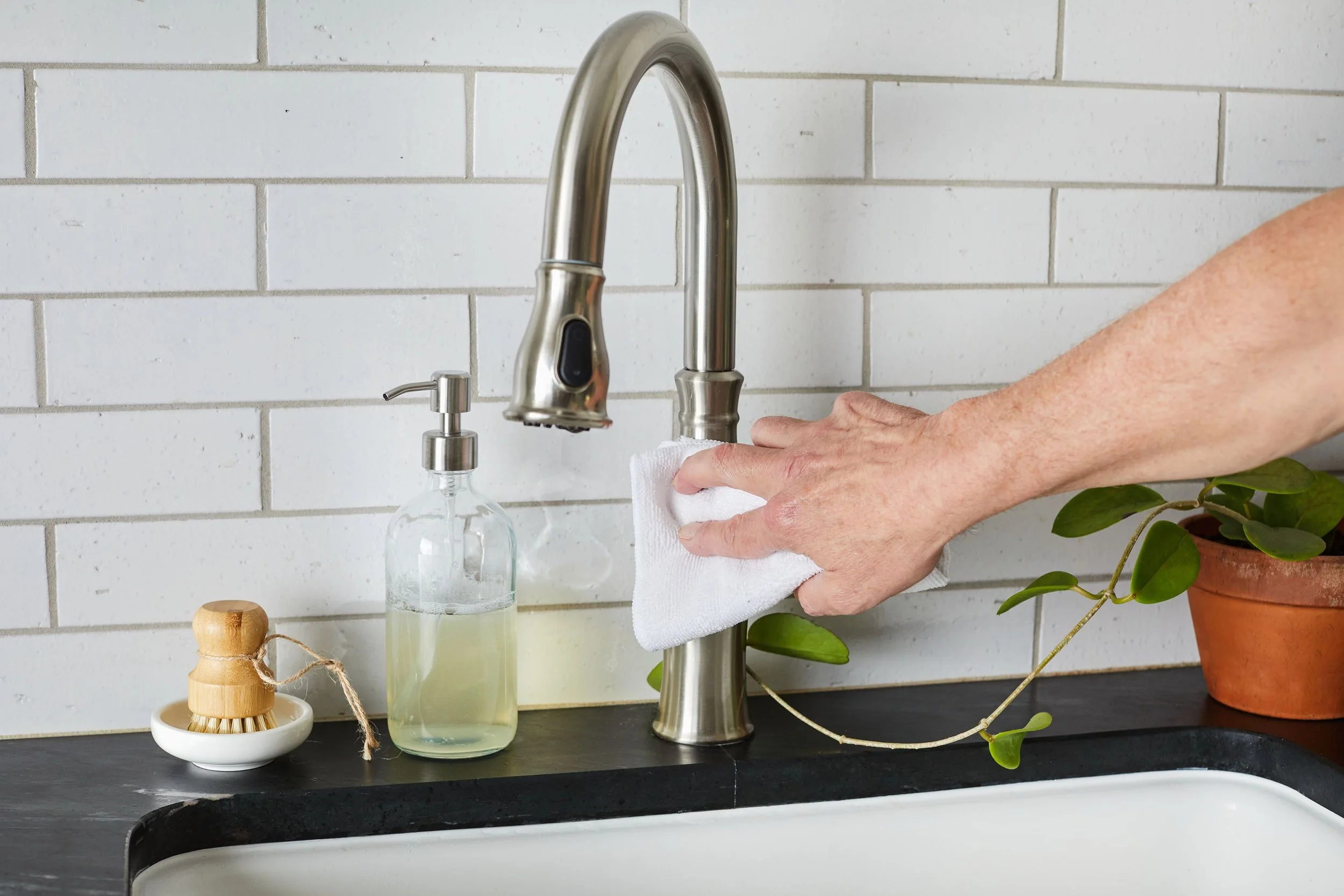
One of the most practical and cost-efficient methods is to regularly wipe down surfaces such as sinks, countertops, and fixtures after they get wet. Towel-drying the shower or using a squeegee immediately after use helps prevent water from sitting on surfaces and forming hard water deposits. Additionally, addressing leaks promptly - such as a dripping faucet - is crucial. Ignoring minor leaks allows buildup to accelerate, leading to unsightly stains and increased water bills.
Incorporating these simple habits into your routine helps prevent mineral accumulation before it becomes a significant problem. Though it may seem tedious initially, getting into the habit will ultimately make maintenance easier and more manageable.
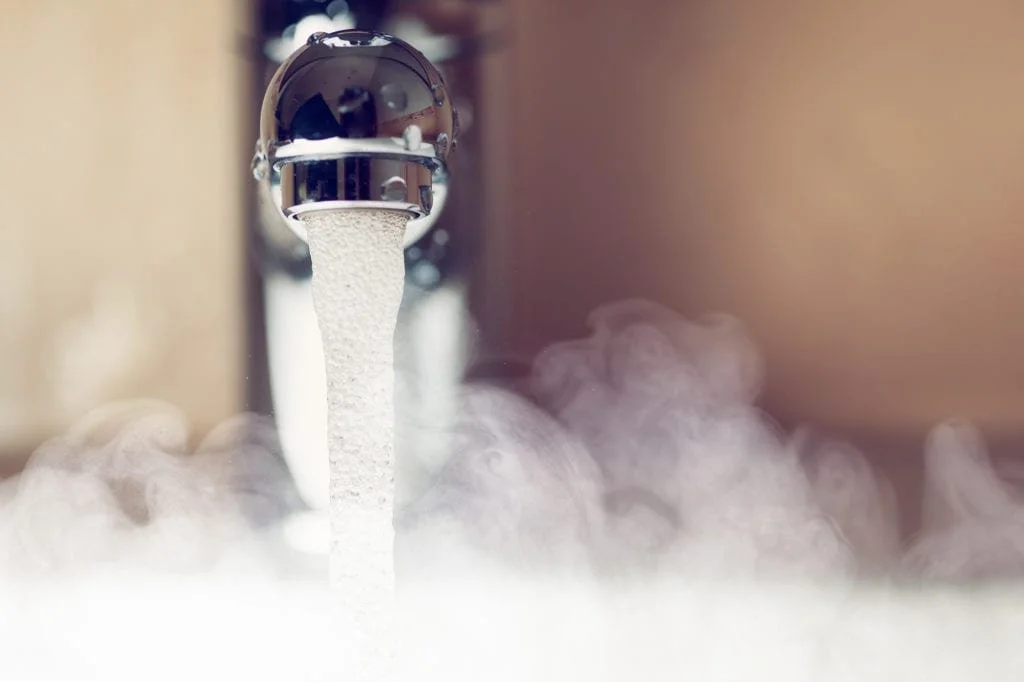
Additionally, being mindful of hot water usage is crucial. Heat accelerates mineral precipitation, leading to more deposits. Whenever possible, use hot water sparingly to slow down this process and reduce buildup.
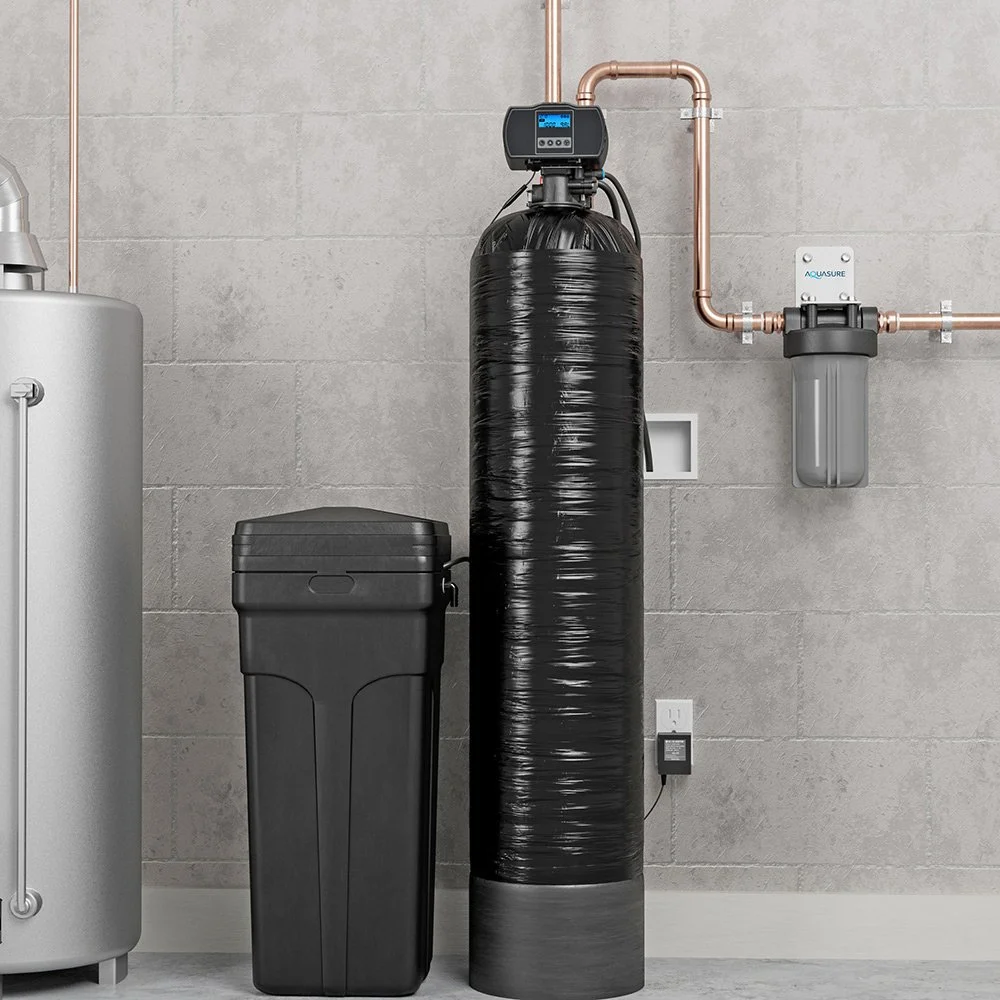
If routine cleaning isn’t feasible or you’re seeking a more permanent solution, installing a water softener or filtration system is highly recommended. These systems effectively reduce mineral content and impurities before water reaches your plumbing and surfaces, providing long-term protection against hard water issues.
By combining preventative care with appropriate solutions, you can maintain cleaner, more long-lasting fixtures and enjoy hassle-free living.