
Cleaning 101: Professional Cleaning Tips, Best Tools & Products for a Sparkling Home

If you’ve ever wondered how professional cleaners make every home look effortlessly spotless, you’re in the right place. This beginner-friendly guide is packed with professional cleaning tips and insider techniques from our experts here at A Touch Above. You’ll learn how to achieve a healthier, more polished home using ATA-approved cleaning products, tools, and equipment—the same professional-grade supplies our teams trust every day.
Get the Family Involved!
Cleaning the house should not be just a one-man job — get the family involved! With a little teamwork and the right strategy, you’ll find keeping your home spotless becomes easier and more enjoyable for everyone. In fact, cleaning not only keeps your home organized, but it also helps children develop valuable life skills such as responsibility, self-reliance, and accountability. Beyond that, it benefits them socially, emotionally, and academically, fostering independence and a stronger sense of belonging within the family.
Determine the High Priority Areas
In maintaining a clean, healthy, and safe home environment, it’s important to identify the high-priority areas that need regular attention. Focusing your efforts on these spaces helps ensure that cleanliness, hygiene, and safety are never compromised.
High-priority areas typically include:
Kitchen Surfaces
Bathrooms
Floors
Door Handles, Handrails and Light Switches
Trash Cans
Living Areas and Bedrooms
Appliances and Electronics (Remotes!)
Basic Cleaning vs Deep Cleaning: What’s the Difference?
Now that you’ve identified the high-priority areas of your home, the next step is to decide whether you need a basic cleaning or a deep cleaning. Understanding the difference between the two is essential, as each involves a different level of effort and attention to detail.
A basic cleaning, also known as maintenance cleaning, focuses on keeping your home neat and presentable by tackling the most visible areas. It’s less intensive and detail-oriented, primarily intended to maintain general cleanliness rather than provide a complete overhaul. Basic cleaning typically includes routine tasks like dusting, vacuuming, mopping, and wiping down surfaces. It’s ideal for keeping up between deeper cleanings, takes less time to complete, and is generally more affordable when booking a professional cleaning service.
In contrast, a deep cleaning is a top-to-bottom, far more thorough process that targets the “out-of-sight, out-of-mind” areas that tend to accumulate dirt and grime over time. This includes cleaning underneath and inside appliances, fans and light fixtures, vents, trim such as baseboards, windows, and doors, window glass and tracks, and even detailing cabinetry and furniture. Deep cleaning may also involve steam cleaning rugs and upholstered furniture to remove hidden dust and allergens.

ATA-Approved Cleaning Products, Tools and Equipment
When it comes to achieving a truly spotless home, the products and tools you use matter just as much as the energy you put in. These cleaning essentials are carefully curated to tackle dirt, grime, and bacteria without compromising your home’s surfaces or indoor air quality. Whether you’re doing a quick tidy-up or a deep cleaning session, investing in the right supplies can make every cleaning task faster, easier, and more efficient.
This may seem obvious, but worth repeating: always wear protective gloves, especially when working with harsh cleaning chemicals.
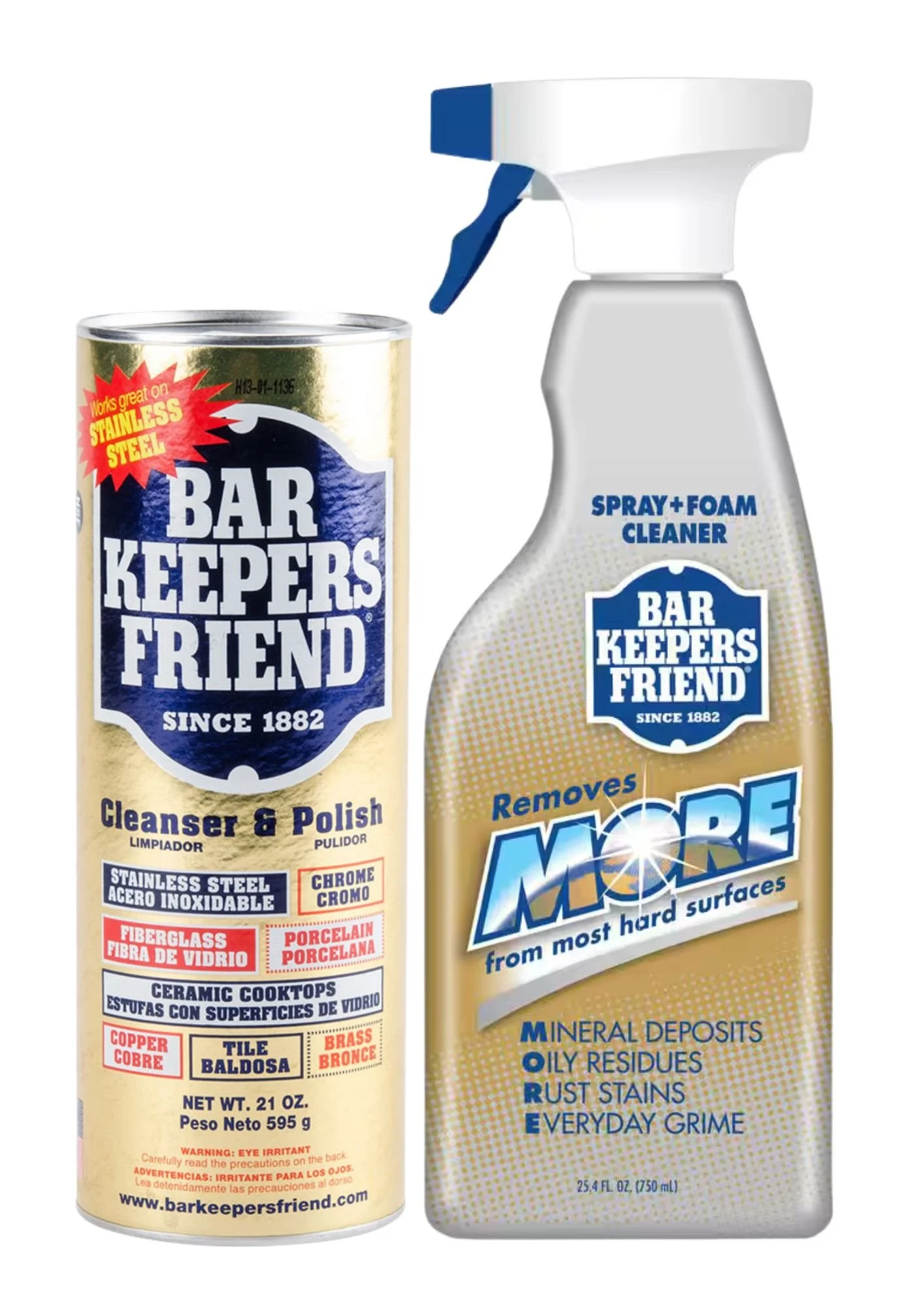
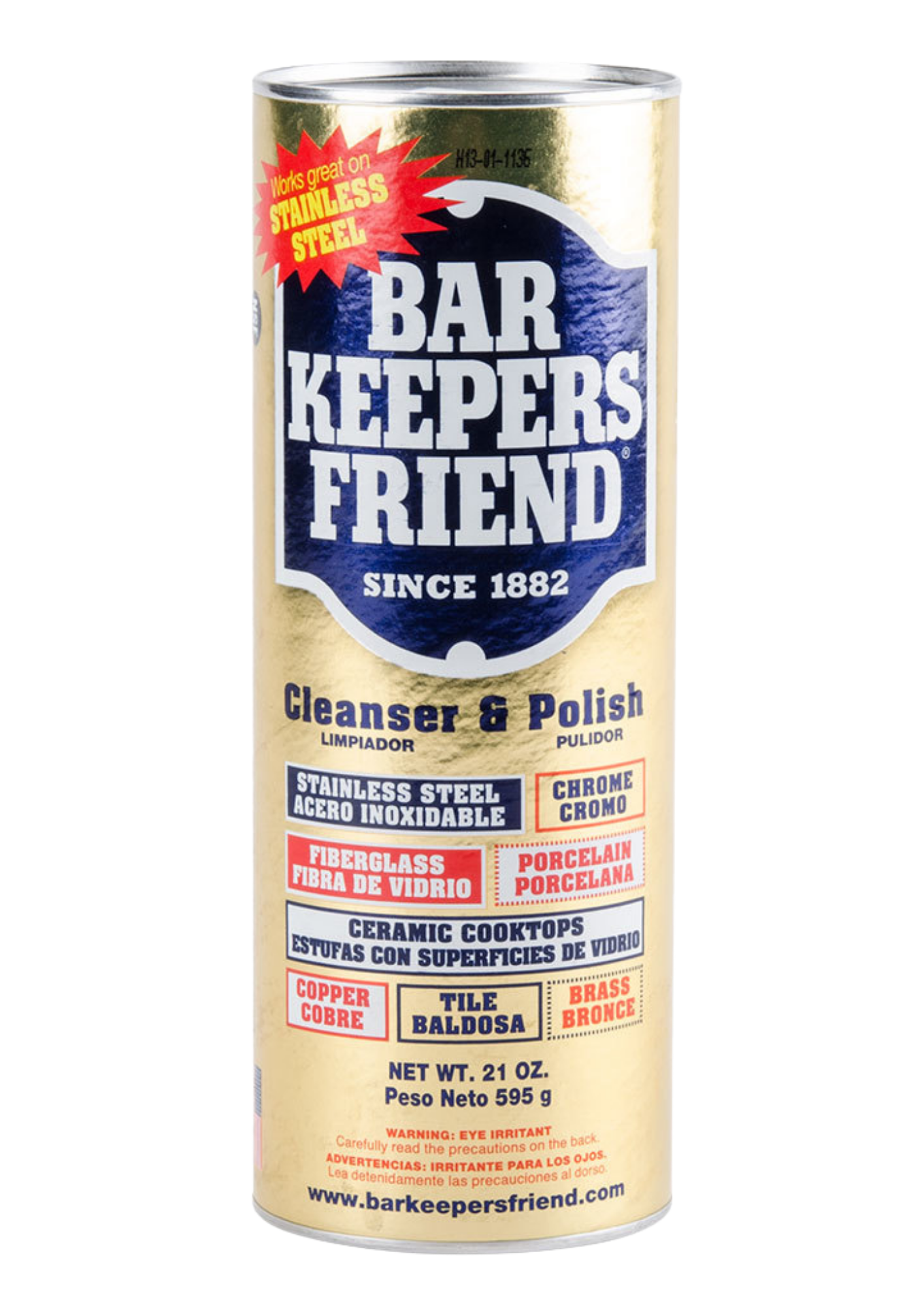
Barkeepers Friend (Powder/Spray)
Use for:
Cleans and polishes non-porous surfaces such as stainless steel, copper, brass, chrome, porcelain, ceramic, and glass
Great for sinks, tubs, tiles, and grout
Removes stains, hard water, rust and scratches
Do not use for:
Granite and marble
Not for delicate or porous materials like wood or painted surfaces
Not for all surfaces.
How to use:
Test on a small area first
Spray surface
Gently rub with wet sponge
Rinse within one minute and be sure to rinse the area thoroughly
Monitor and ensure it is not drying a white residue
Multi-Surface Cleaners
Multi-surface cleaners are cleaning products designed to safely and effectively remove dirt, grease, and grime from a variety of surfaces such as countertops, glass, metal, and plastic. They typically contain balanced cleaning agents that disinfect while leaving a streak-free finish. These cleaners are convenient for everyday use, reducing the need for multiple specialized cleaning products. However, it’s important to note that not all multi-surface cleaners are disinfectants, so be sure to check the label if germ-killing is a priority.
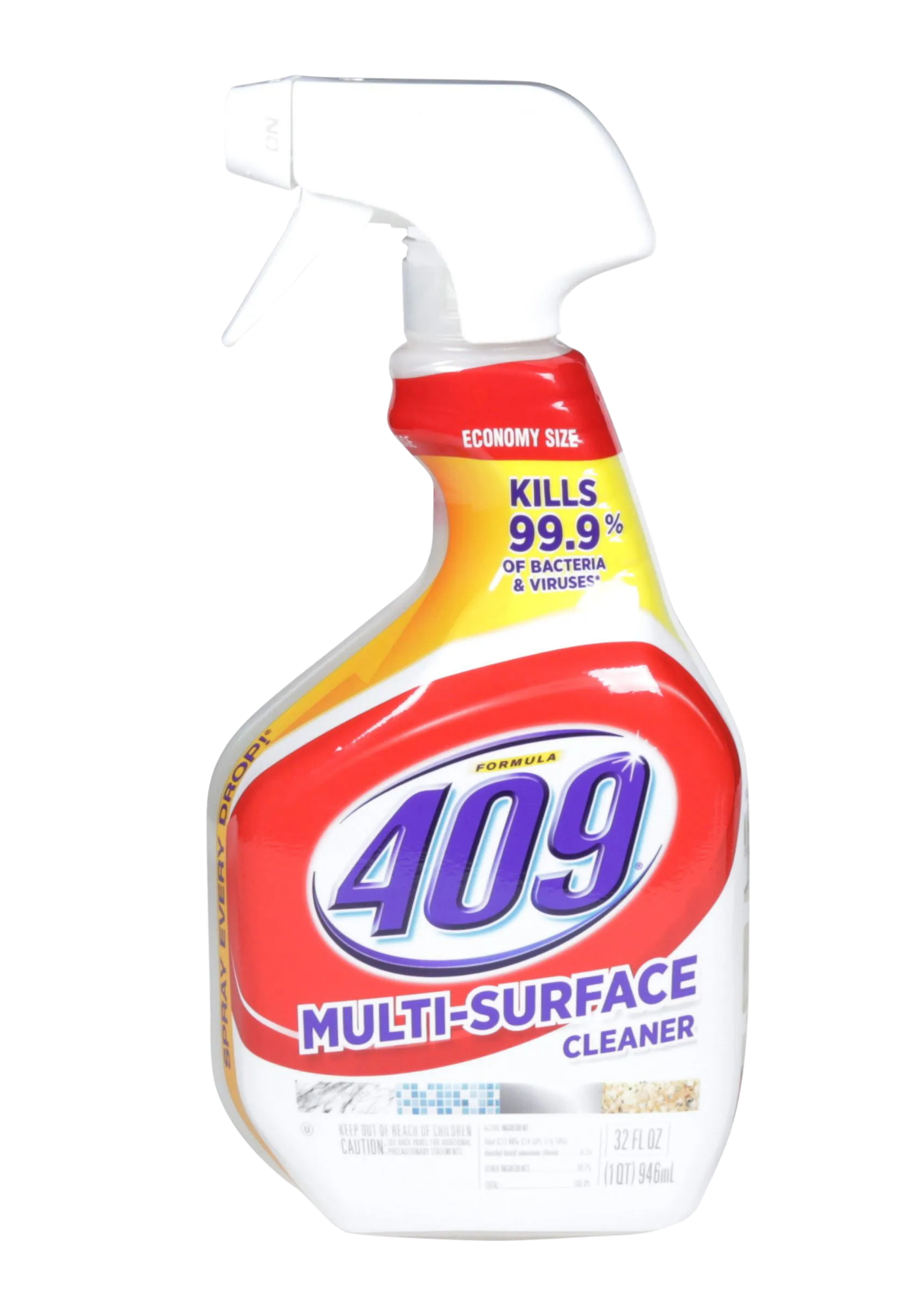
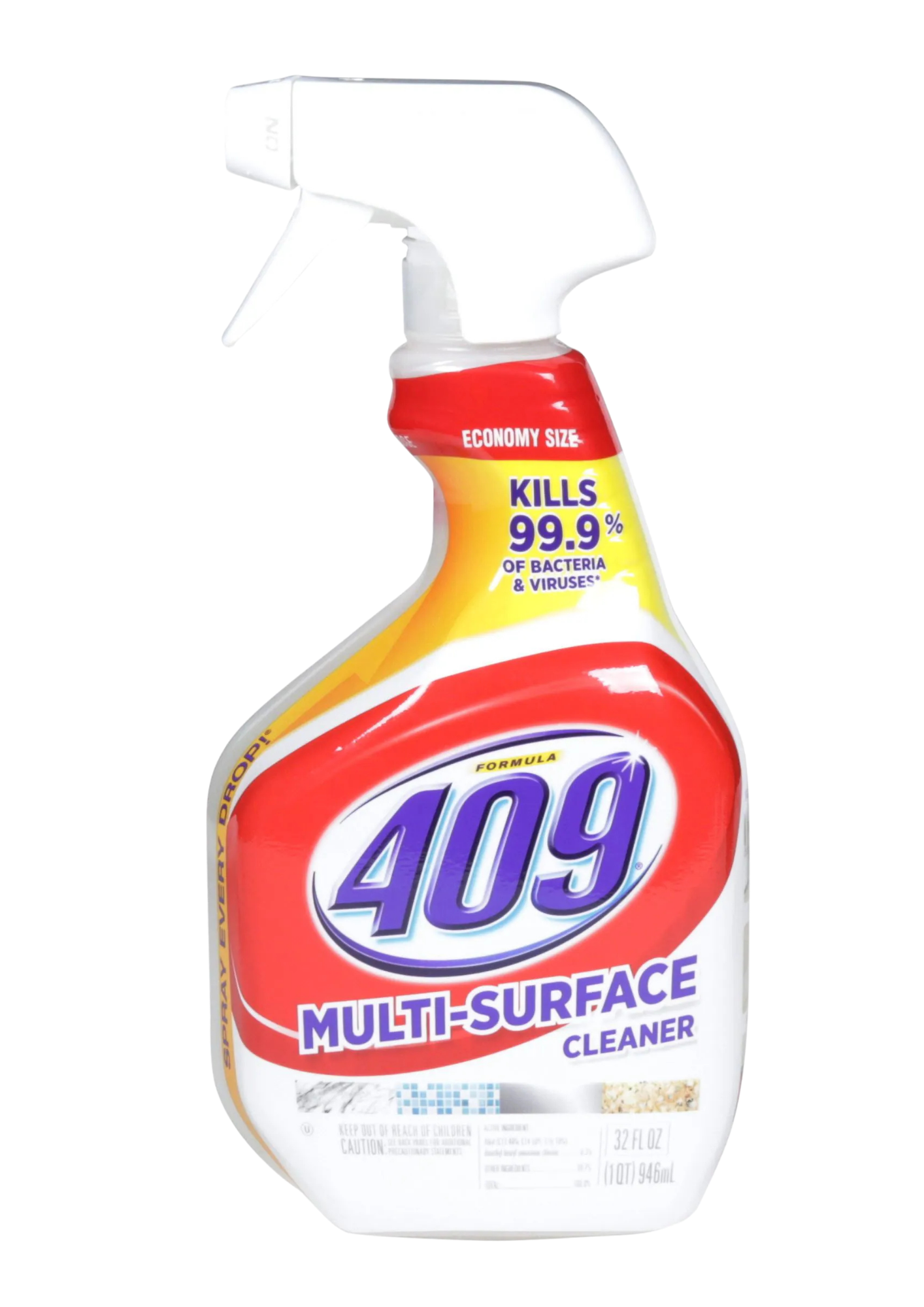
409 Multi-Surface Cleaner
Use for:
Non-porous surfaces
Synthetic marble, glazed ceramic tile, linoleum
Stainless Steel
Countertops, stovetops, appliance exteriors, floors, sinks
Do not use for:
Varnishes, acrylic, shellac
Granite
Soft vinyl
Aluminum
Do not mix with other cleaning products.
How to use:
Spray directly onto rag and wipe the soiled area
For very built-up areas spray directly onto the soiled area, let it sit for a few seconds and wipe with a damp rag
Doubles as a disinfectant!
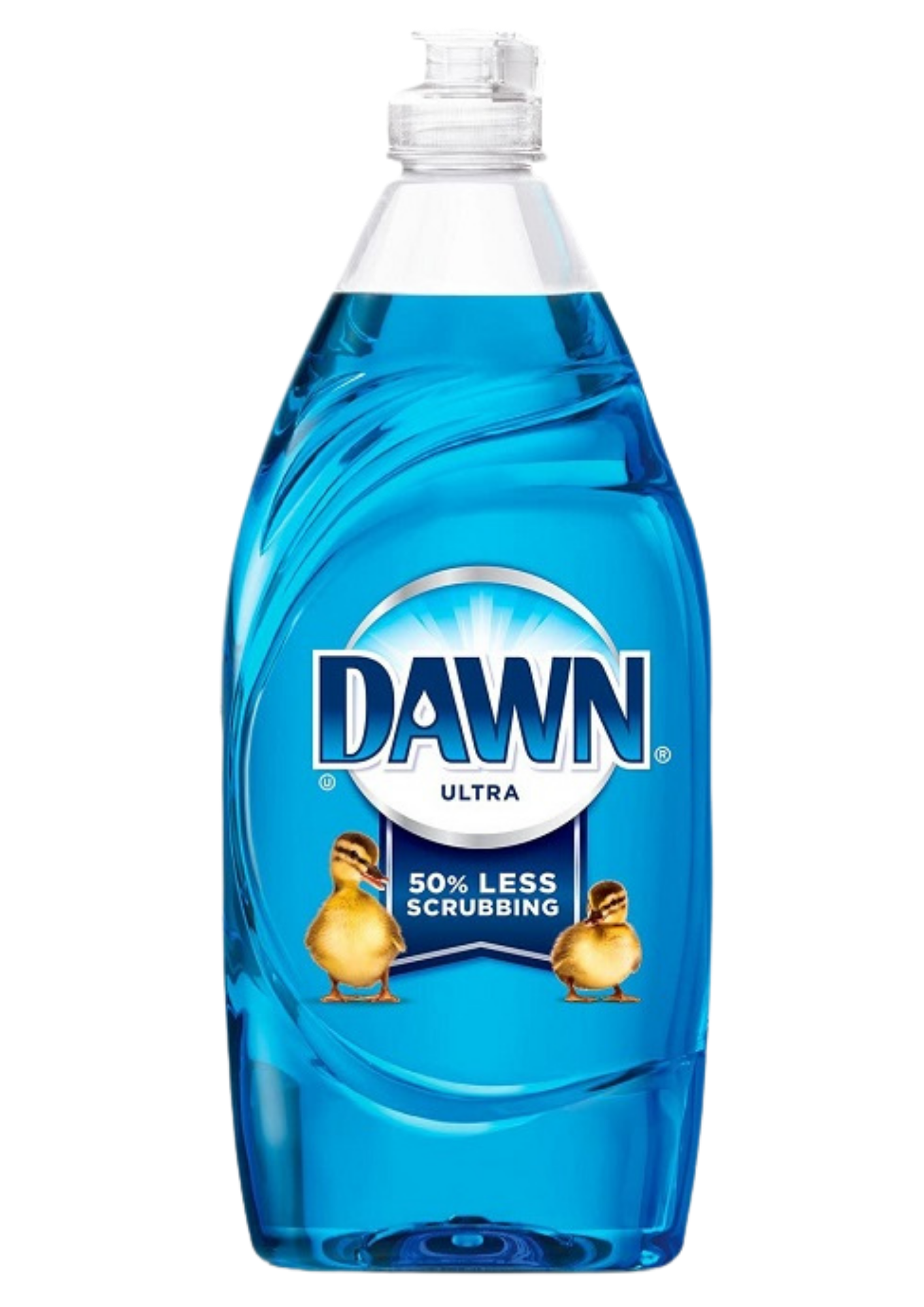
Dawn
Use for:
Varnish, acrylic, lacquer, polyurethane
Granite, quartz, limestone, Corian
Stainless steel, copper, brass, chrome, aluminum
Glass, ceramic, porcelain
Do not use for:
Shellac
Marble
Gold plated items
Leather
drywall and wallpaper
Porous surfaces
Do not mix with other cleaning products.
How to use:
Apply a small amount
Scrub and rinse thoroughly
Use sparingly - a little goes a long way! Using too much will create more work for you. Most times, you can get away with just a few drops.
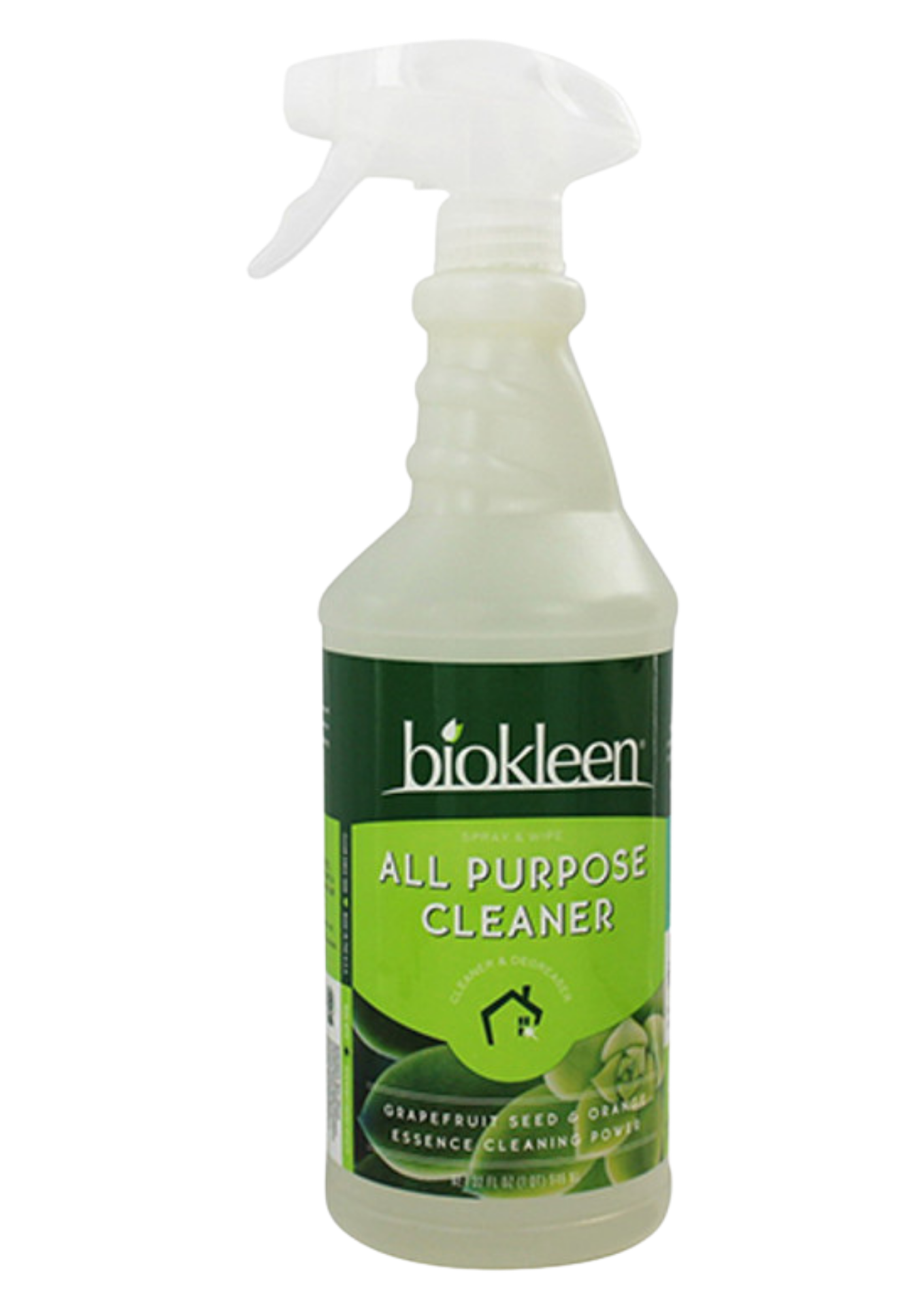
Biokleen
Eco-friendly, non-toxic, pet-safe, plant-based, neutral pH
Use for:
Granite and other stones
Stainless steel
Floors, carpeting
Painted surfaces
Upholstery stains
Do not use for:
Unfinished surfaces
Do not mix with other chemicals.
How to use:
Spray rag and wipe area
Extra soiled areas can be sprayed directly - let the product sit for a few seconds, then wipe

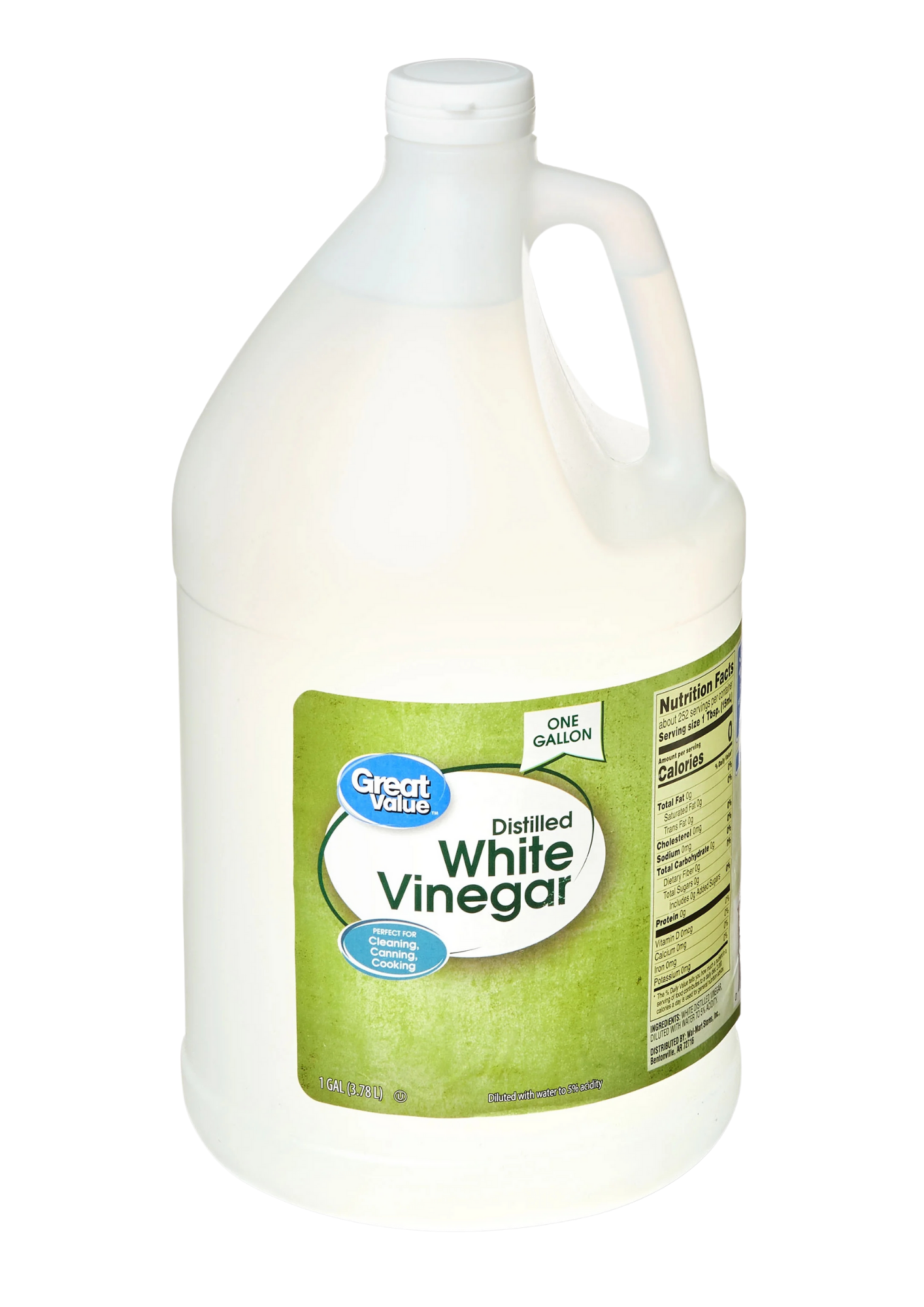
Vinegar
Use for:
Glass and mirrors
Appliances
Drains
All-purpose when diluted
Soap scum and limescale
Do not use for:
Stone countertops (marble and travertine)
Electronic screens
Grout
How to use:
Spray and wipe with a clean rag
Certain things can be soaked - such as shower heads that have extreme hard water build-up
Vinegar’s acetic acid makes it acidic and corrosive—it can damage wood, stone, wax, and plants. Solutions above 10% can also harm skin and should be handled with care.
Disinfectants
Disinfectants are powerful cleaning solutions specifically designed to eliminate germs, bacteria, and viruses from hard surfaces. They play a critical role in maintaining a healthy, sanitary environment—especially in high-touch areas such as kitchens, bathrooms, offices, and commonly used surfaces like doorknobs and light switches. By effectively destroying harmful microorganisms, disinfectants help reduce the spread of illness, support better indoor hygiene, and promote overall health and safety.
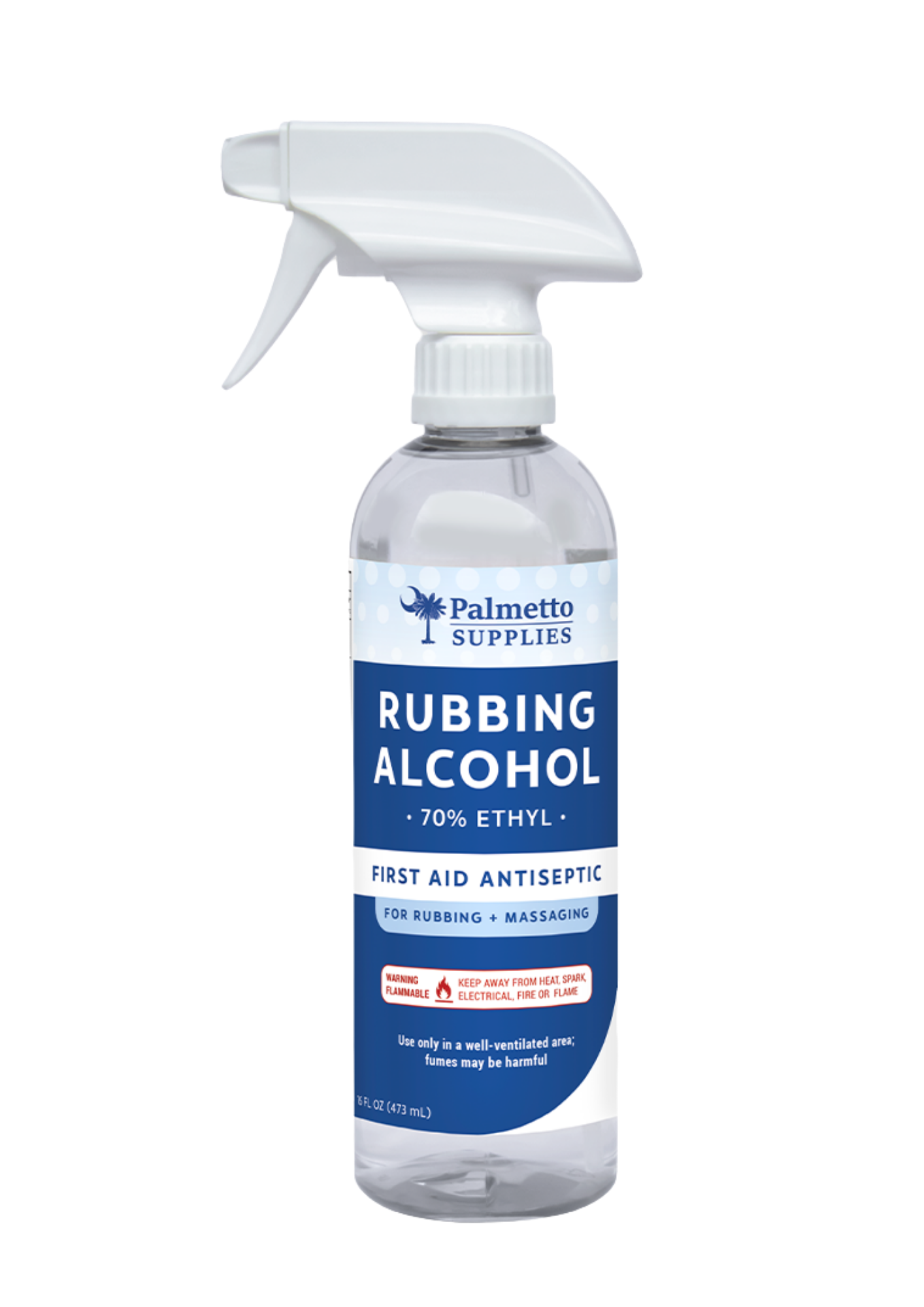
Rubbing Alcohol
Use for:
Disinfecting
Removing sticky residue, water spots and mineral deposits
Porcelain
Glass and mirrors (streak-free)
Do not use for:
Painted surfaces
Granite and marble
Leather
Wood
How to use:
Spray rag then wipe area
Never spray directly on a surface
Do not use on flammable surfaces such as ovens and stovetops.
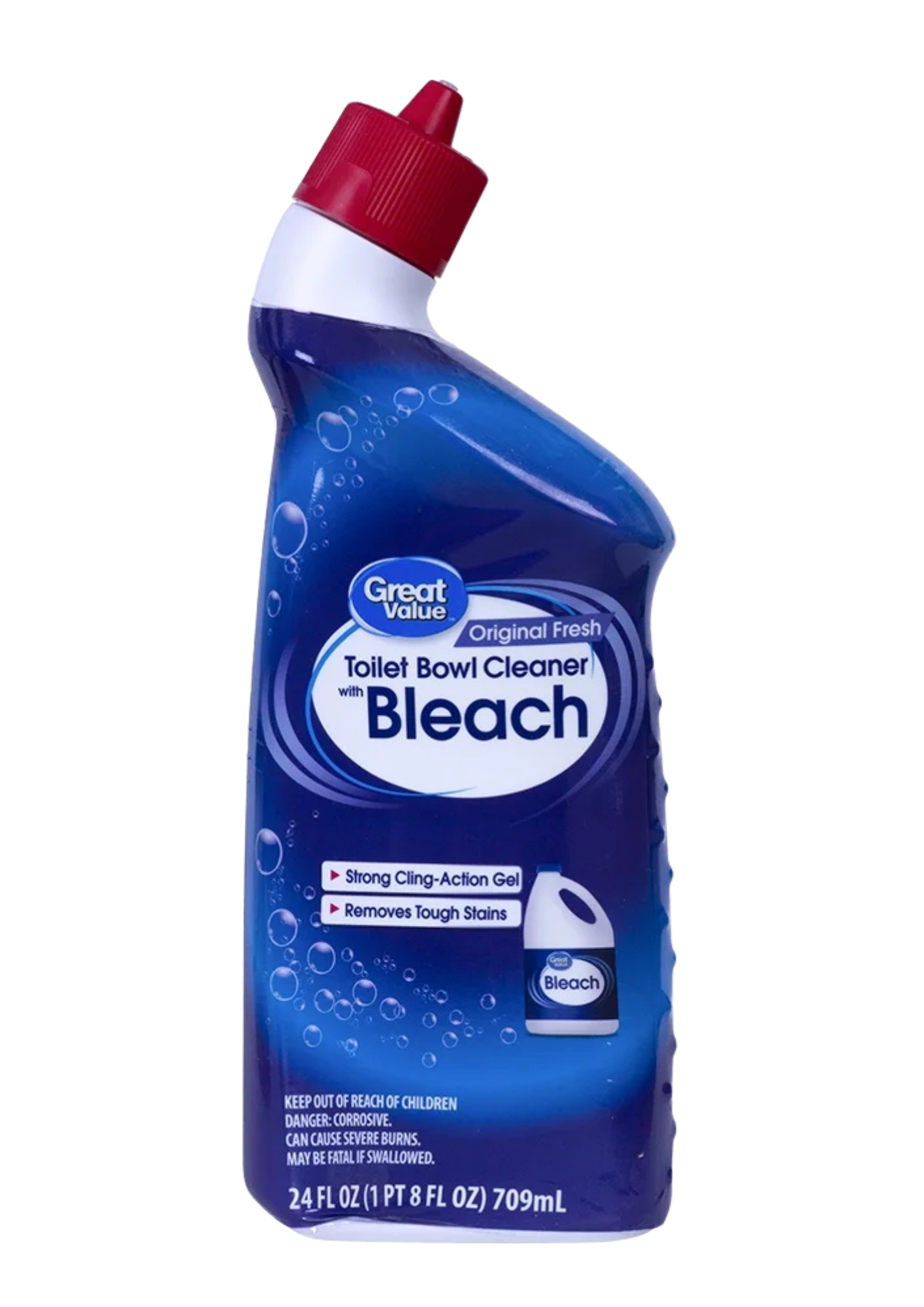
Toilet Bowl Cleaner
Use for:
Use inside the TOILET ONLY
Do not use for:
Any other areas in the house
Contains strong acids and alkalis, making these products extremely corrosive. Use ONLY as directed!
How to use:
Squeeze the cleaner into the bowl, targeting the underside of the upper rim
Make sure to cover the entire surface
Let the cleaner sit according to the label instructions, but usually 5-10 minutes
Scrub with toilet brush
Pay extra attention to any stains or build up
Flush when finished
Enzymatic cleaners
Enzymatic cleaners use natural enzymes to break down organic stains and odors like food spills, pet messes, and bodily fluids. Unlike regular cleaners, they target the source of the mess at a molecular level for a deeper, longer-lasting clean. They’re gentle on surfaces but tough on stubborn organic grime, making them perfect for homes with kids or pets.
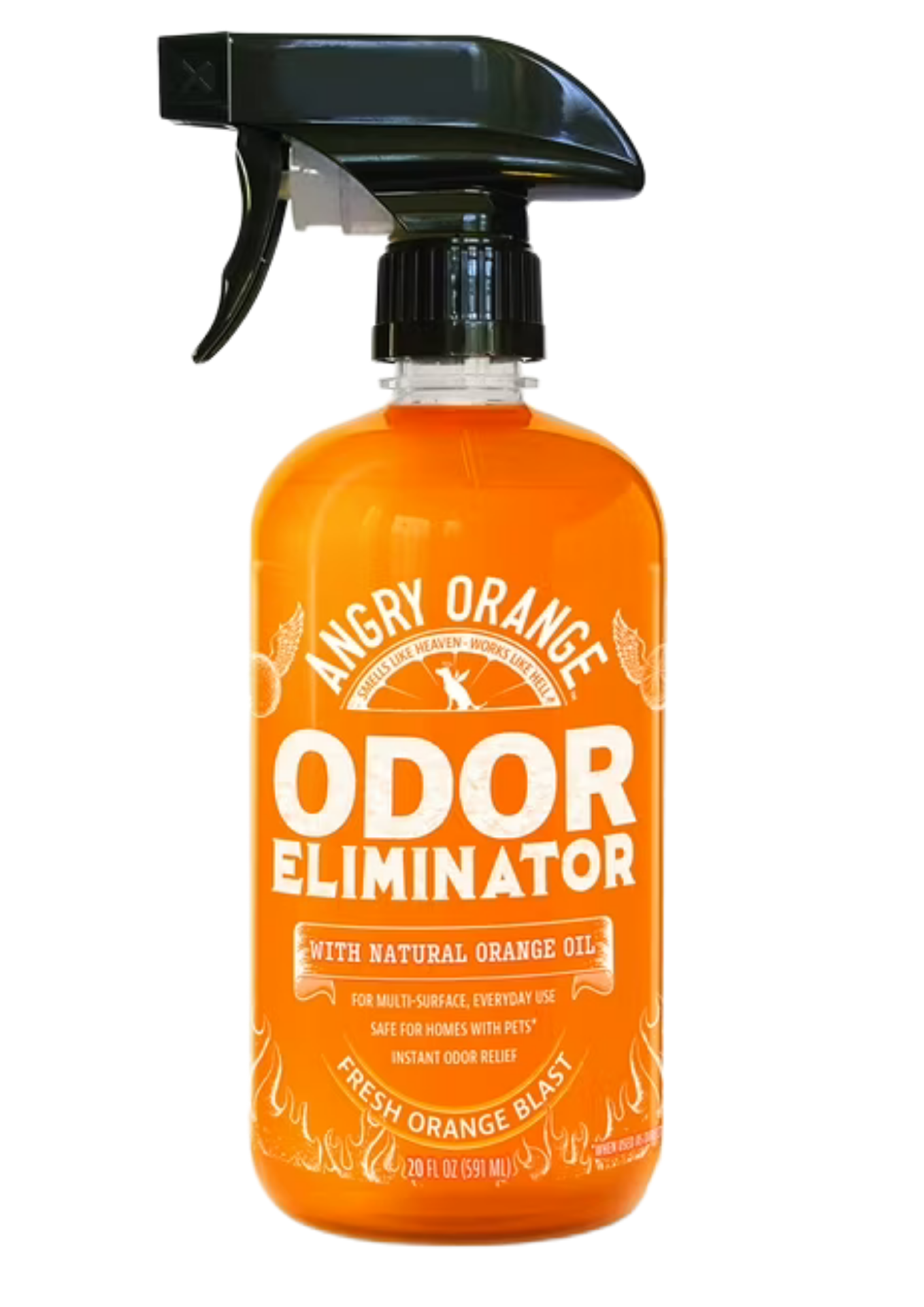
Angry Orange
Use for:
Pet odor eliminator
Treats urine, feces, vomit
Removes stains
Carpets and tiles
Upholstery
Do not use for:
Leather surfaces
Inside carpet cleaners
Inside steam cleaners
How to use:
Clean excess mess
Shake well before using
Spray area from 12 inches away
Wipe/blot the area and allow it to dry completely
Natural-Based/ DIY Cleaning Products
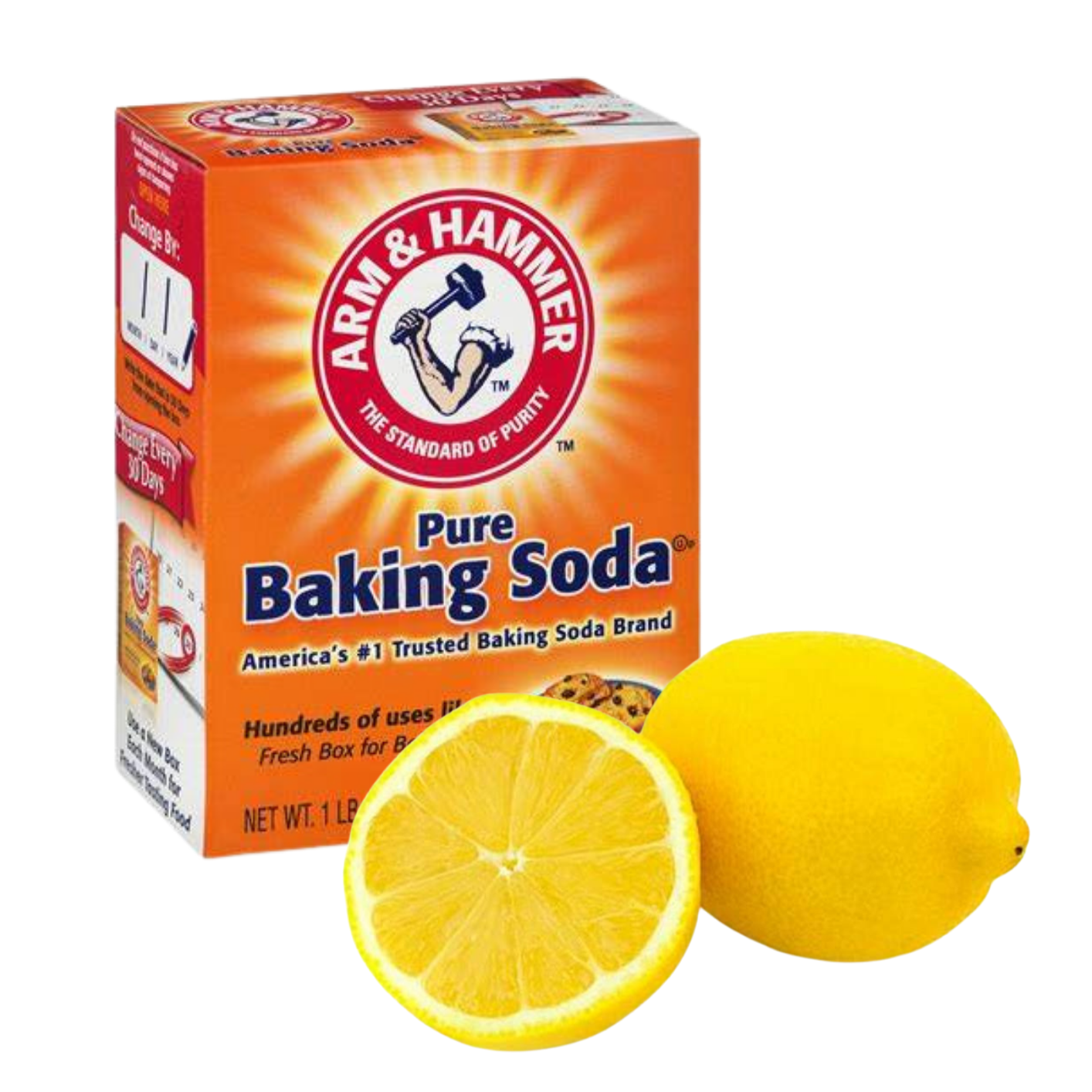
Baking Soda
& Lemon
(Scouring Cleaner)
Use for:
Surface cleaner: Mix with water to scrub countertops, sinks, and stovetops - cuts grease and removes stains
Tile and grout brightener: Apply paste to grout lines, let it sit, then scrub for a refreshed look
Deodorizer: Neutralizes odors in the fridge, garbage bins, and drains.
Glass cleaner: Removes water spots and film from glass or mirrors
Bathroom cleaner: Lifts soap scum and hard water stains from tubs and faucets
Cutting board refresher: Rub on cutting boards to remove stains and smells
Do not use for:
Natural stone, marble
Hardwood floors
Brass plating
Electronic screens
Cast iron
How to use:
Sprinkle in sink or bathtub, or on stained surfaces
Take half a lemon and rub it on the surface until the area is clean
The mixture is acidic and slightly abrasive - use with caution and always test in an inconspicuous area. Overuse can irritate skin or enamel (if used for teeth).
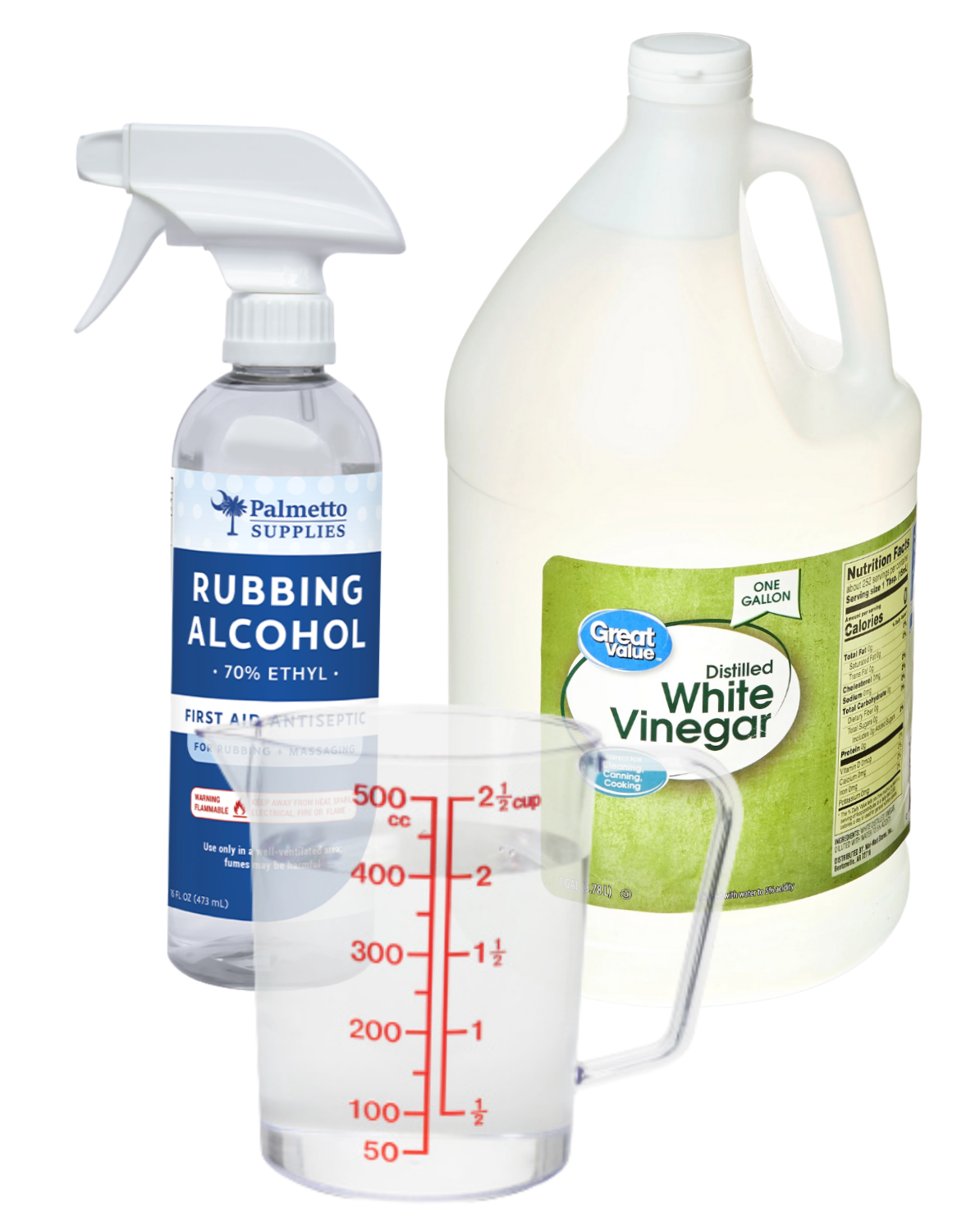
Vinegar, Baking Soda & Water
(Glass Cleaner)
Use for:
Glass surfaces such as windows and mirrors
Do not use for:
Stone countertops (marble, granite and travertine)
Electronic screens
Painted surfaces
Wood pieces/furniture
Leather
Grout
How to use:
Combine 1 cup rubbing alcohol, 2 tablespoons of vinegar and 1 cup of water
Put in a spray bottle and shake well
Spray on windows or mirrors
For added sparkle, dry the glass with either a newspaper, microfiber cloths, glass rags or paper towels
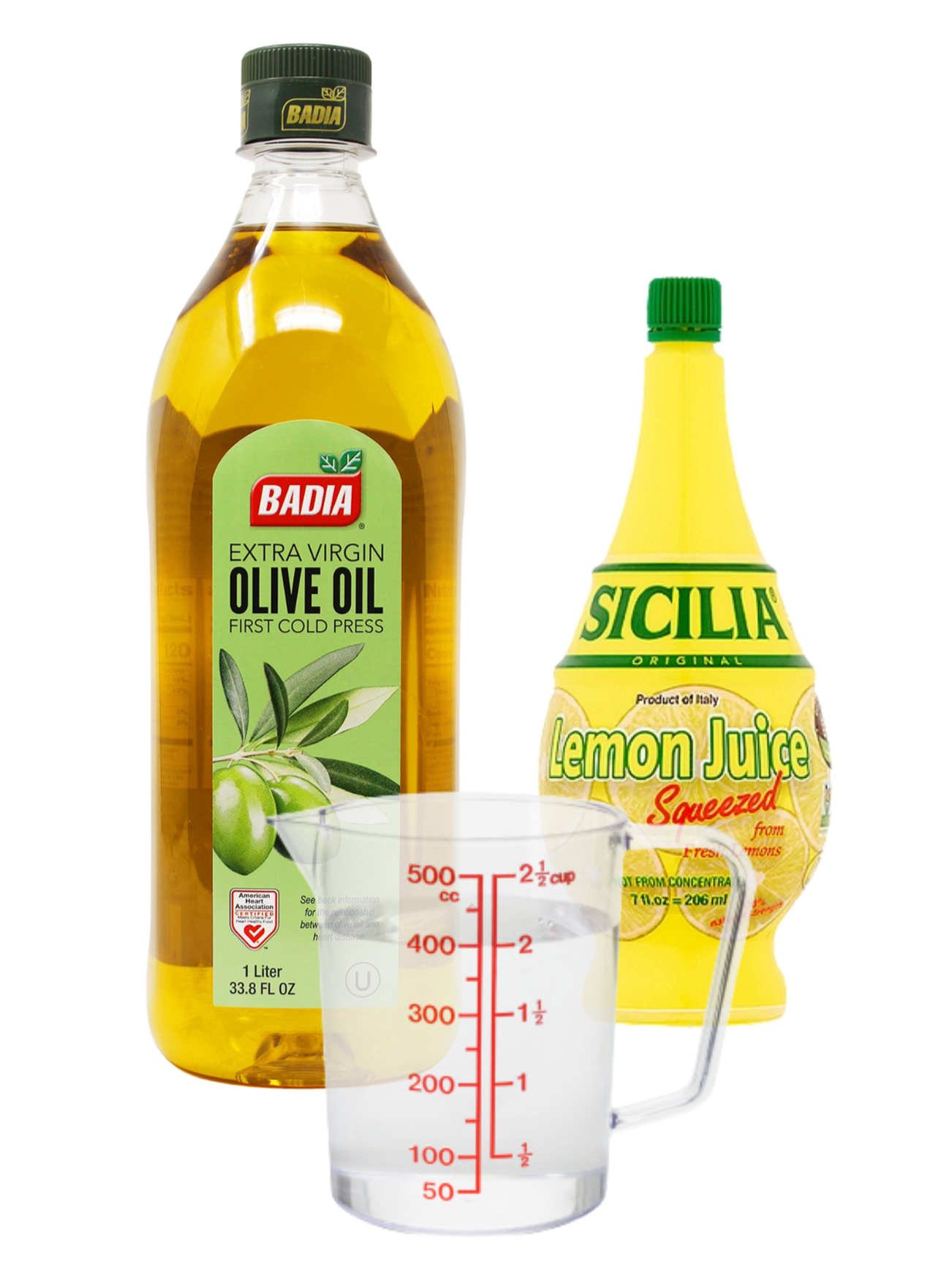
Olive Oil, Bottled Lemon Juice & Hot Water
(Hardwood Floor Cleaner)
Use for:
Hardwood floors, wood surfaces
Do not use for:
Laminated floors
Stainless steel, copper, brass
Mirrors
Porcelain, ceramic, glass
Carpets, upholstery
How to use:
In a bucket, combine ½ cup of olive oil, ⅓ cup of lemon juice, 10-12 cups of hot water
Mix the solution well
Using a mop, clean the floors with the solution
Wipe dry with a clean towel or another dry mop
Using this mixture on laminate flooring is not recommended as it creates a very slippery surface and could cause someone to fall.
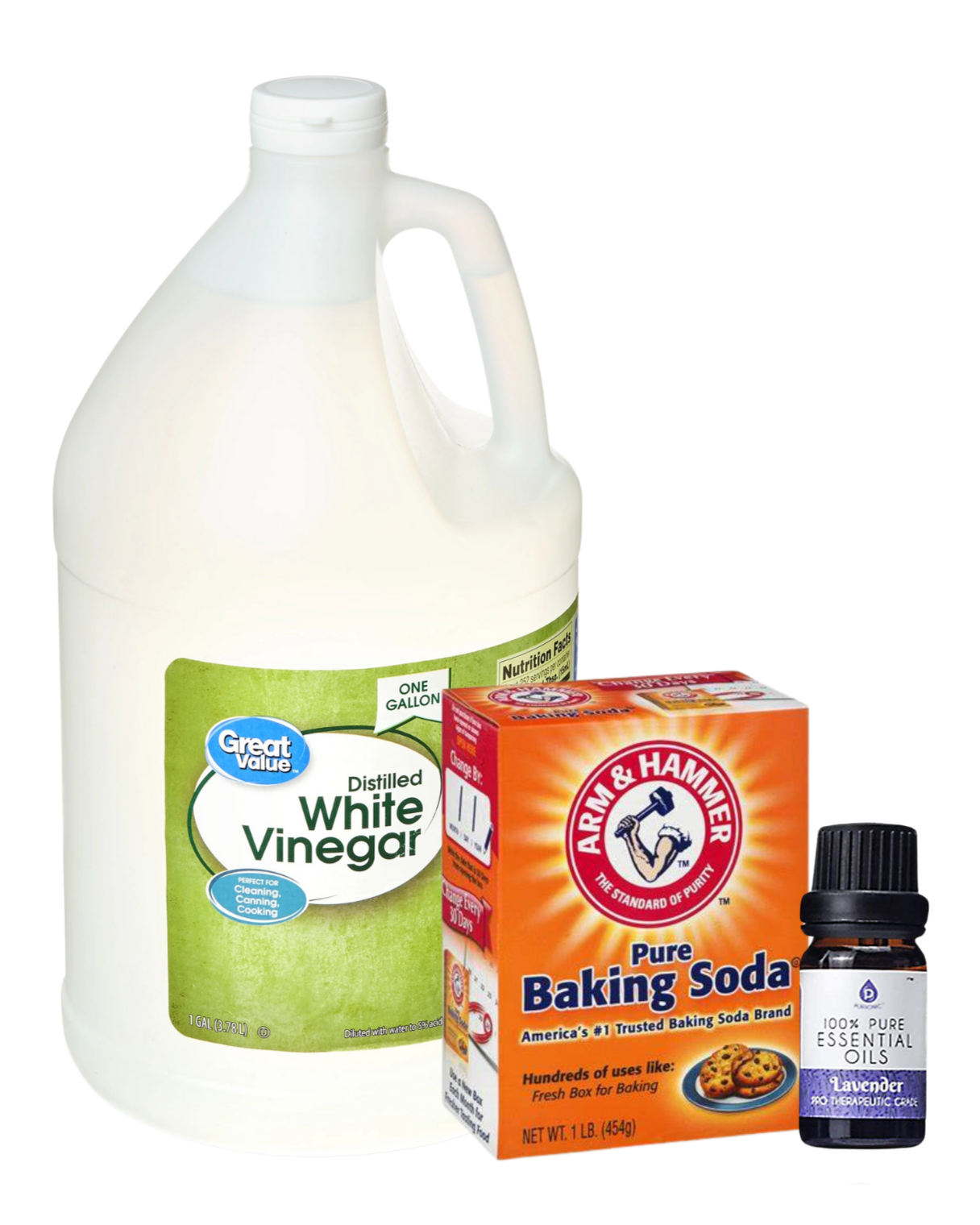
Vinegar, Baking Soda & Essential Oil
(Toilet Bowl Cleaner)
Use for:
Porcelain, ceramics, sink, bathtubs, toilet bowl
Do not use for:
Wood surfaces, hardwood floors
Glass
Plastic
Leather
How to use:
Pour ½ cup of baking soda into the bowl
Add several drops of your favorite essential oil
Add 1 cup of vinegar, close the lid
Let it sit for 15 to 20 minutes
Scrub with a toilet brush and flush
Cleaning Tools and Equipment
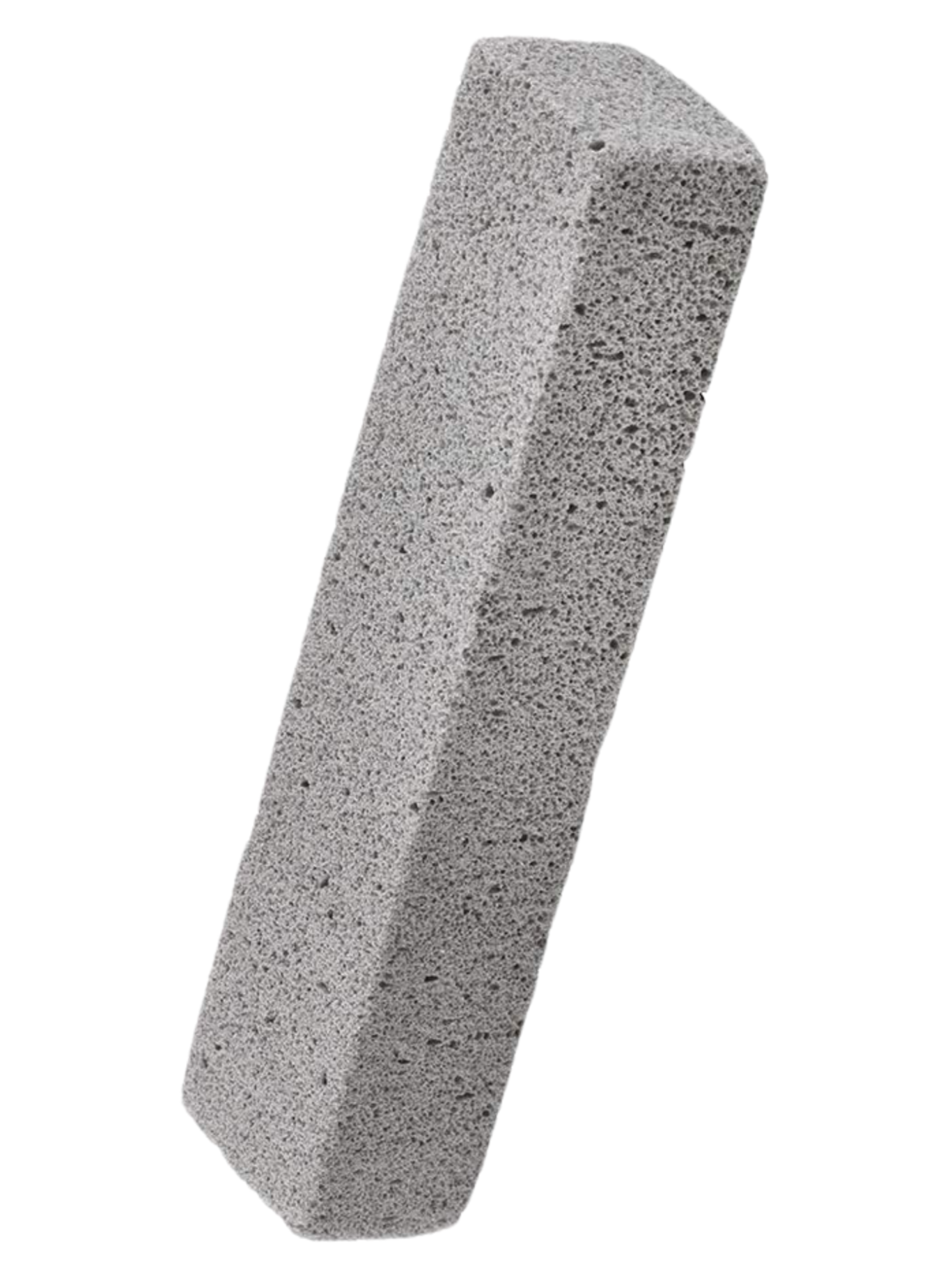
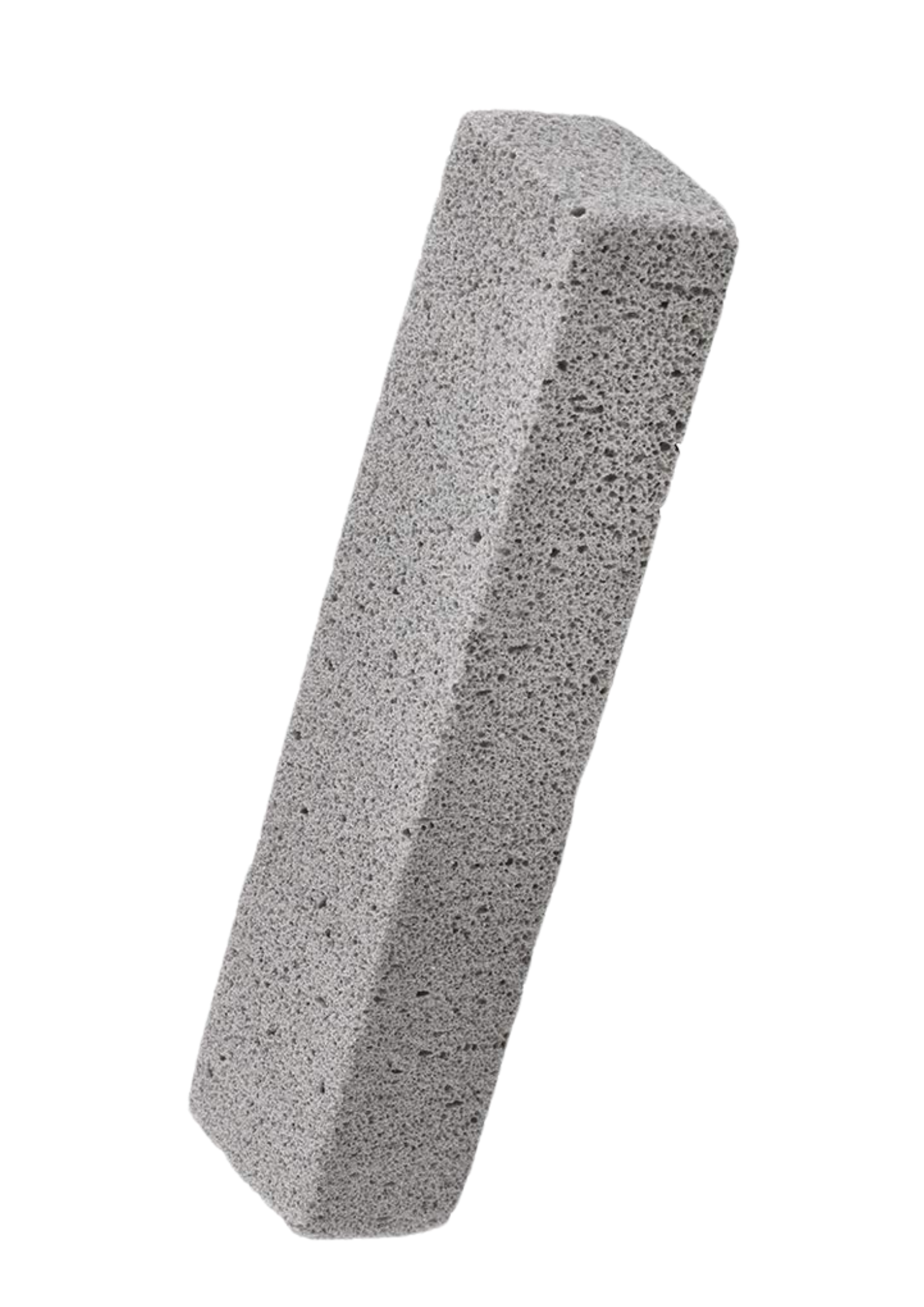
Pumice Stone
Use for:
Ceramic and Porcelain only
Toilet bowls
Sinks
Tubs
Inside some ovens
Do not use for:
Corian (stone - often a countertop)
Stainless steel, soft metals and stovetops
Plastic
Highly abrasive and can leave deep scratches.
How to use:
Soak pumice stone in water
Test in an inconspicuous area first
Ensure it remains wet for the duration of its use to prevent scratching
Use gentle pressure
Be cautious with delicate surfaces
Rinse thoroughly
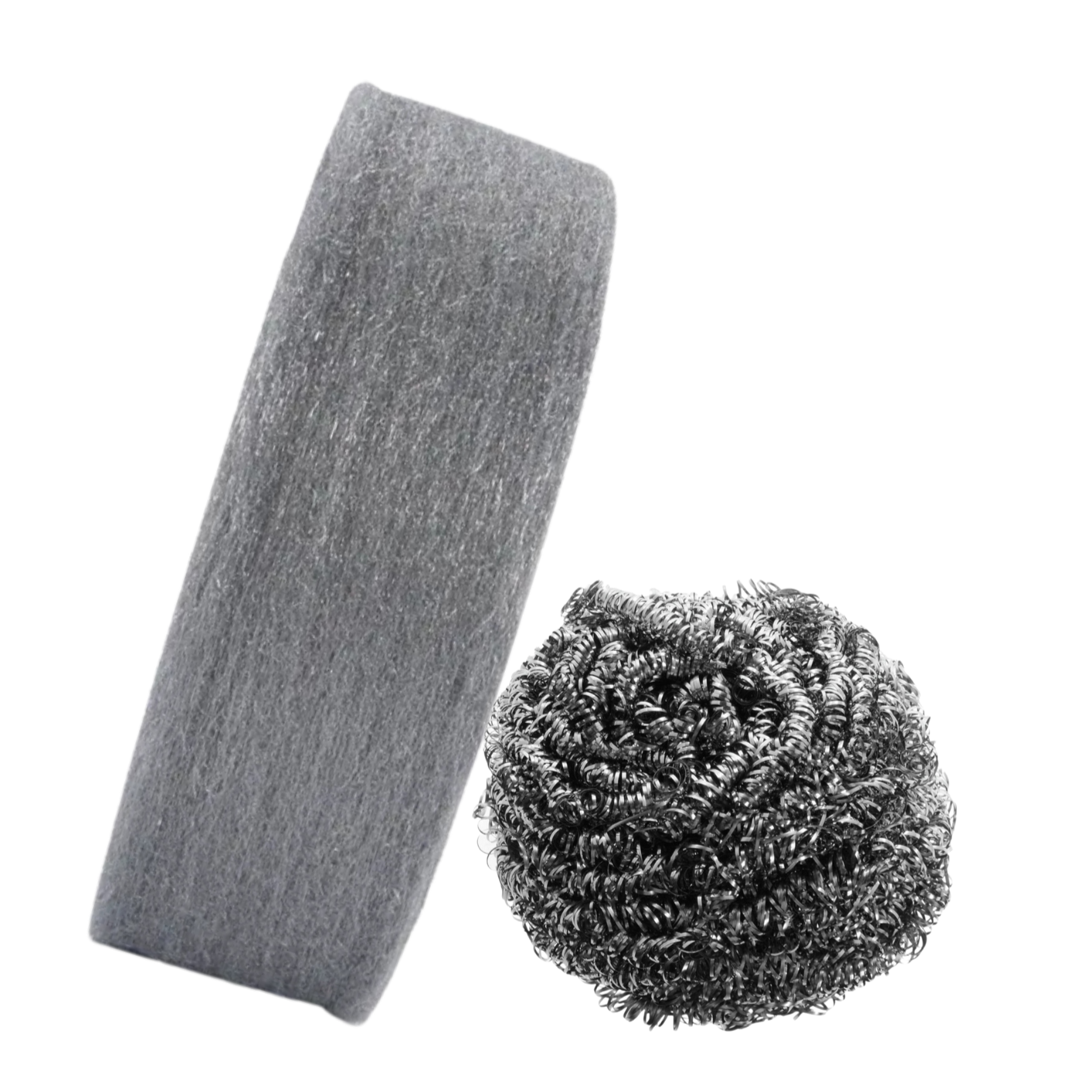
Steel Wool / Stainless Steel Scrubbies
Use for:
Stainless steel, copper, brass
Porcelain
Gently on glass
Wood
Scuff marks
Do not use for:
Aluminum
Tempered glass
Shiny surfaces that have a coating that could be damaged
Glass stove
Fiberglass bathtub
How to use:
Dampen
Scrub in the direction of the grain or in circular motion if no grain
If used on a delicate surface, ensure that the surface is wet to avoid scratching or damage
Use light pressure
Follow up with a surface-safe product for better results
Rinse thoroughly
Throw away after use or else it will rust, and the rust will damage the next surface it touches.
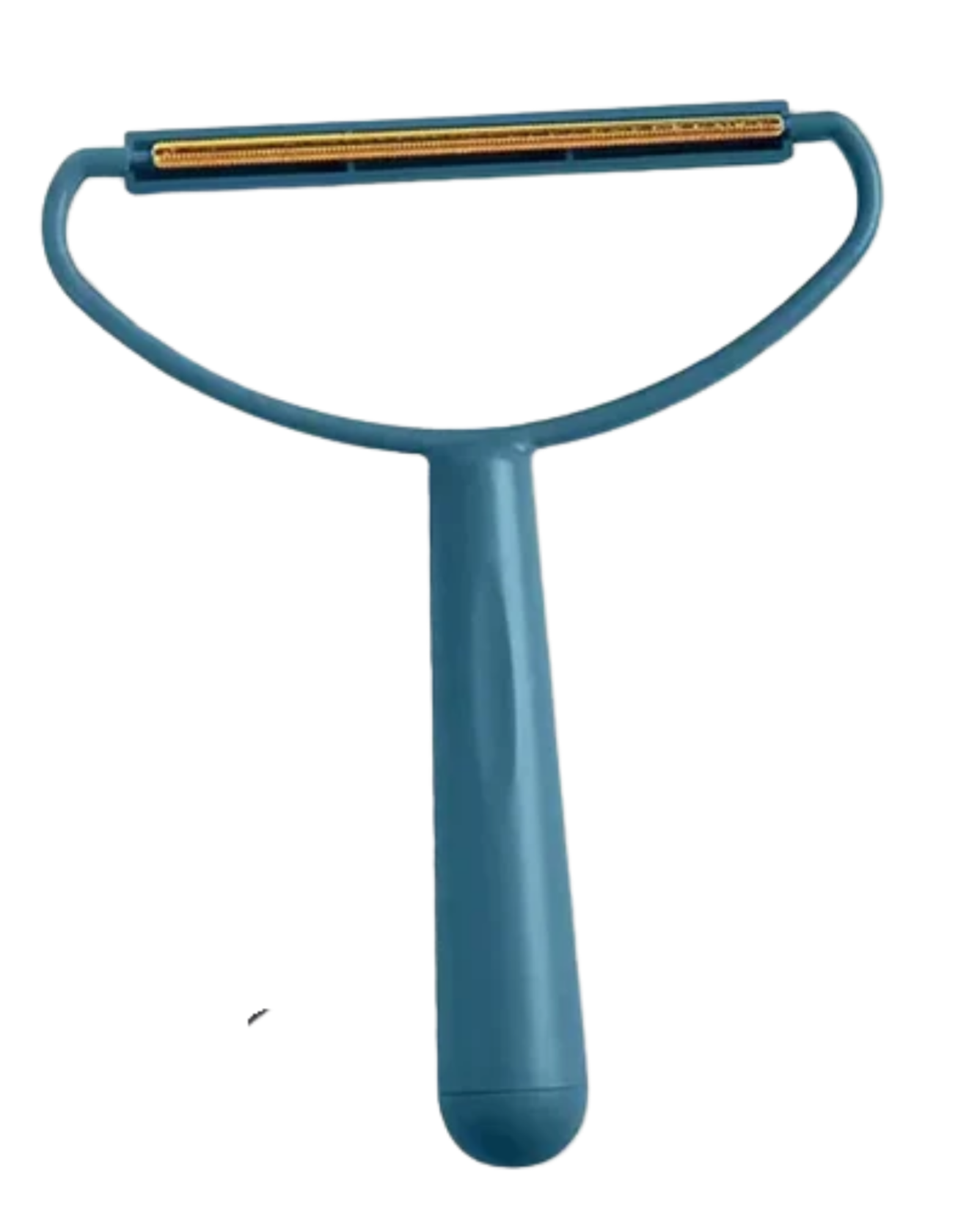
Portable Lint Remover
Use for:
Removing pet hair from upholstery, carpets, and stairs
Deep cleaning areas where vacuums may miss hair
Provides a more effective and satisfying clean for areas with a lot of pet hair present
A favorite tool among our team for tackling stubborn hair buildup
How to use:
Gently brush or pull the tool across surfaces — the metal coils grabs, and lifts hair easily/effortlessly
Use it as an alternative to vacuum attachments for better results
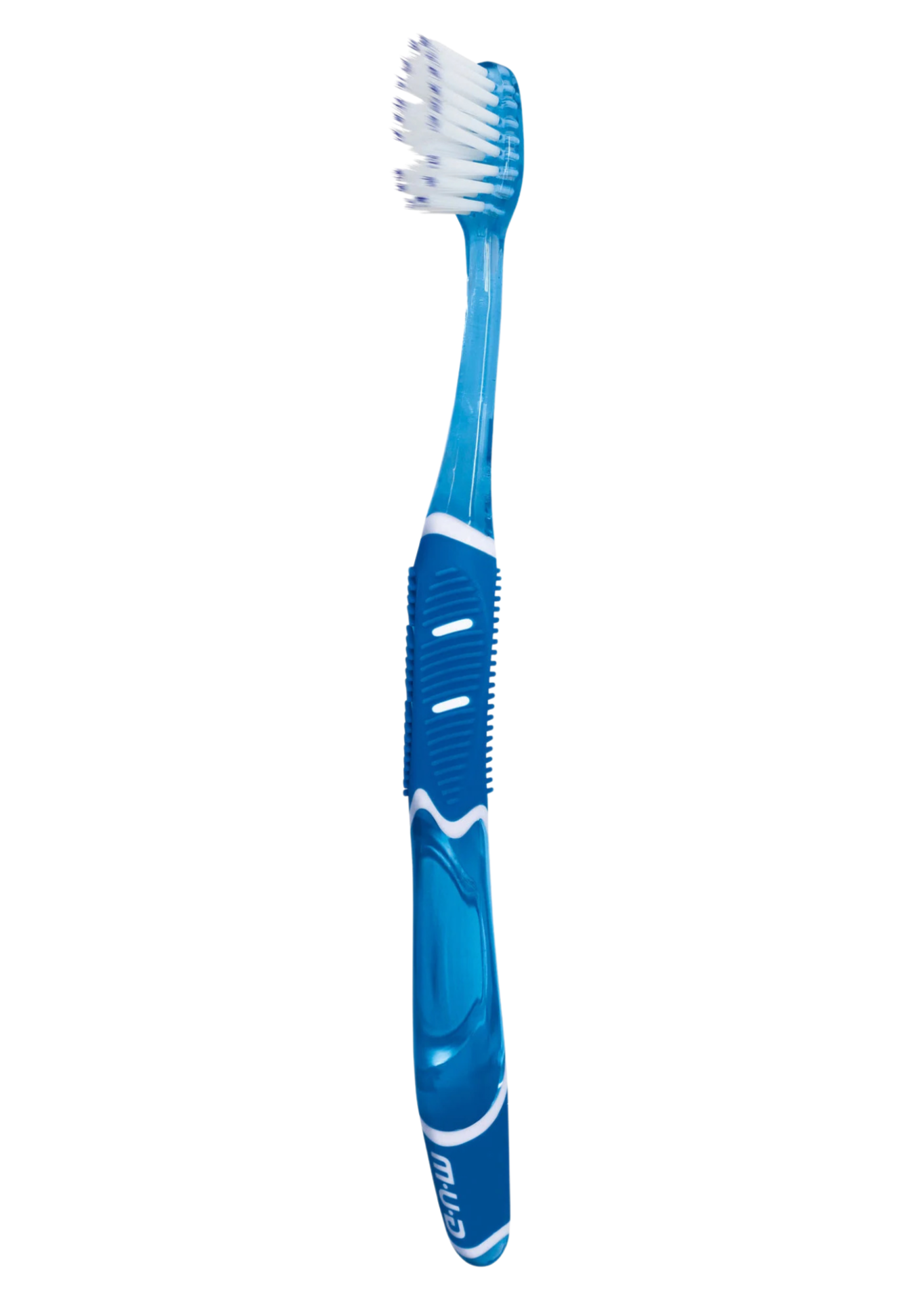
Toothbrush
Use for:
Detail brush
Hard to reach spaces
Sinks, drains, grout
Burners and oven racks
Shower heads and faucets
Garbage disposal openings
Vents
Do not use for:
Nowhere in particular, just use sanitary precautions and dispose if needed
How to use:
Use appropriate cleaning solution for the surface you are working with
Be gentle
Disinfect if reusing
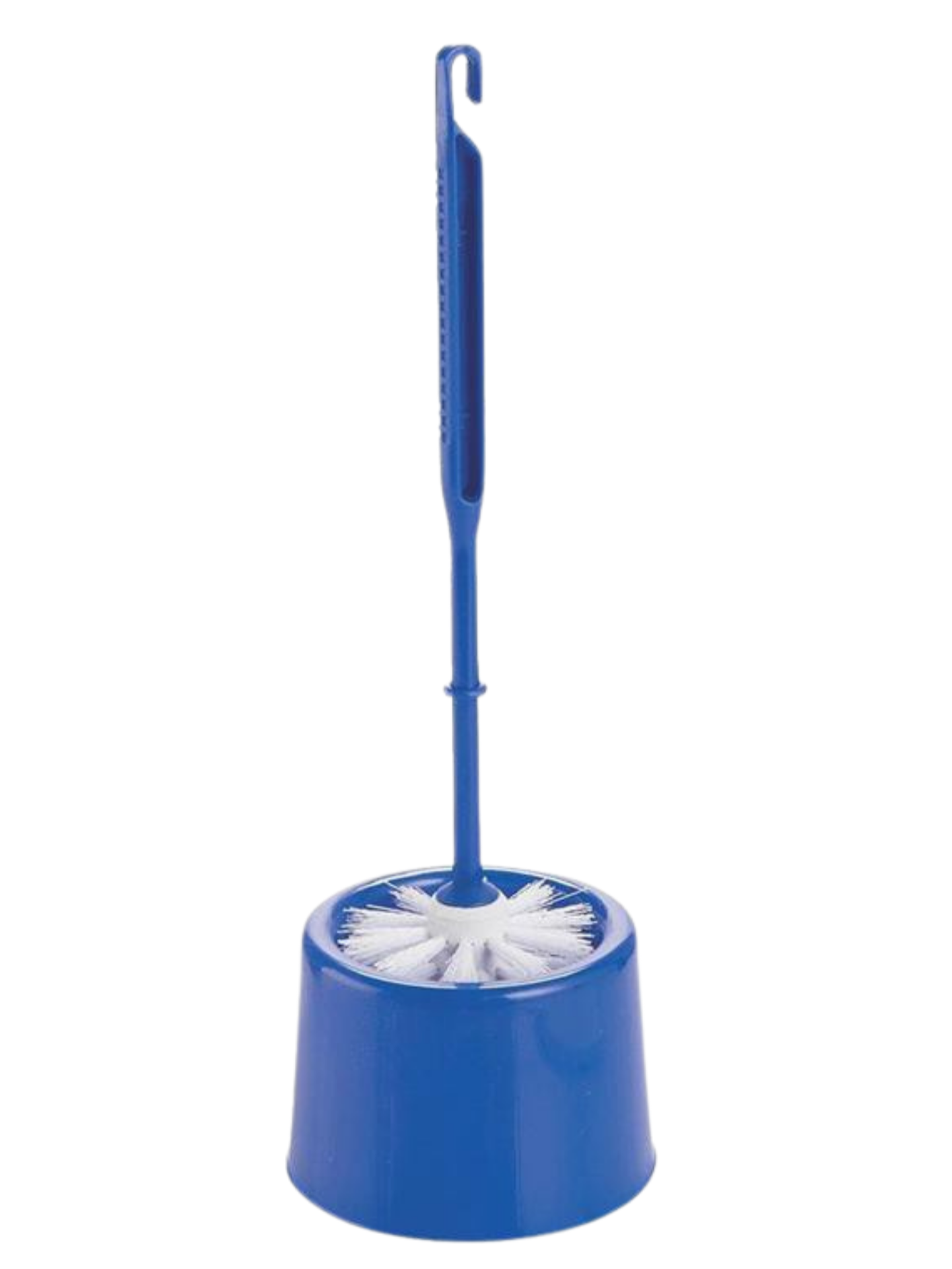
Toilet Brush
Use for:
To avoid cross contamination, use only in TOILETS
DO NOT PUT TOILET BRUSH ON:
Counters
Sinks
Beds
Carpeting
Stairs
Tables
Always practice common sense.
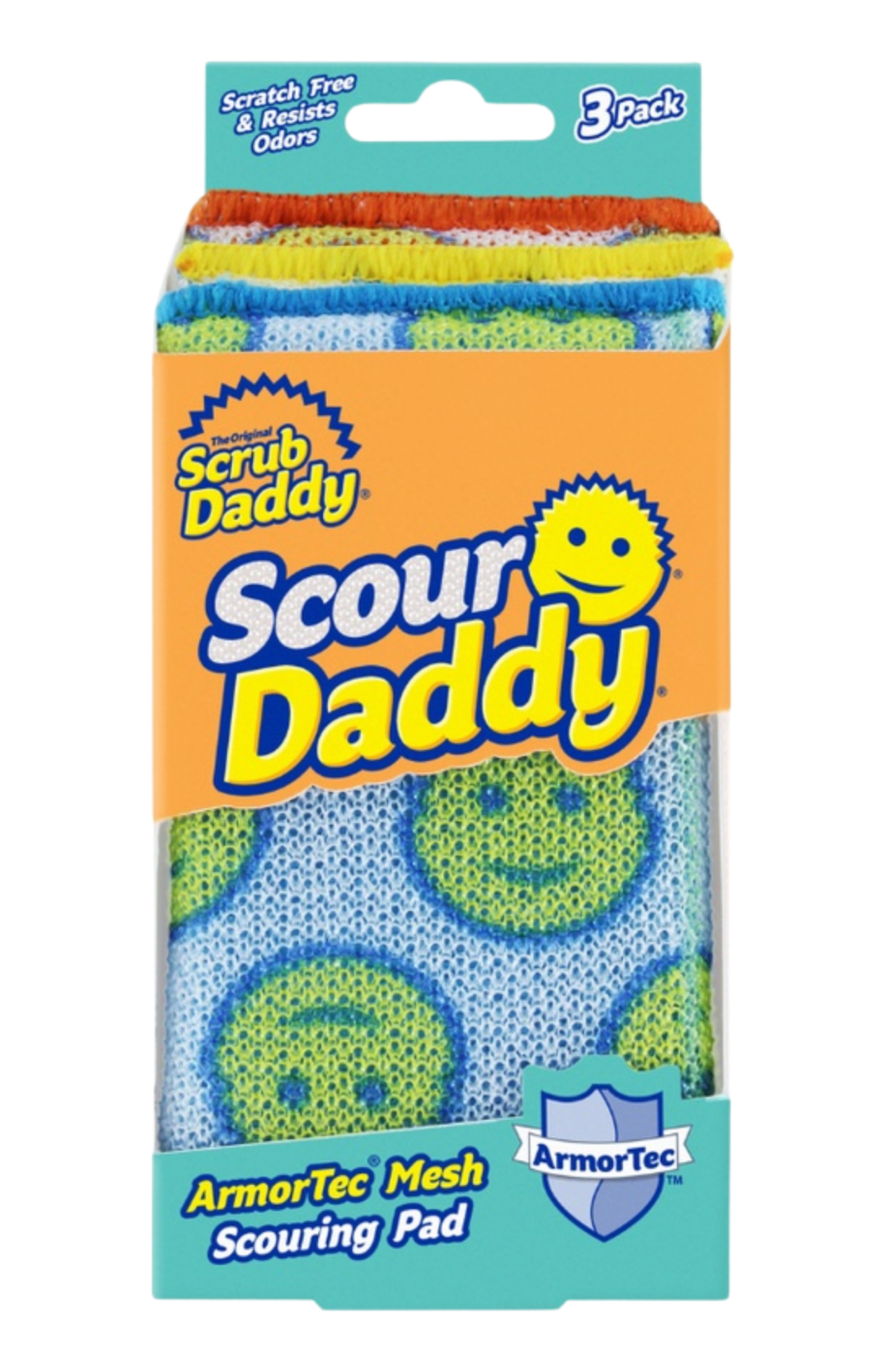
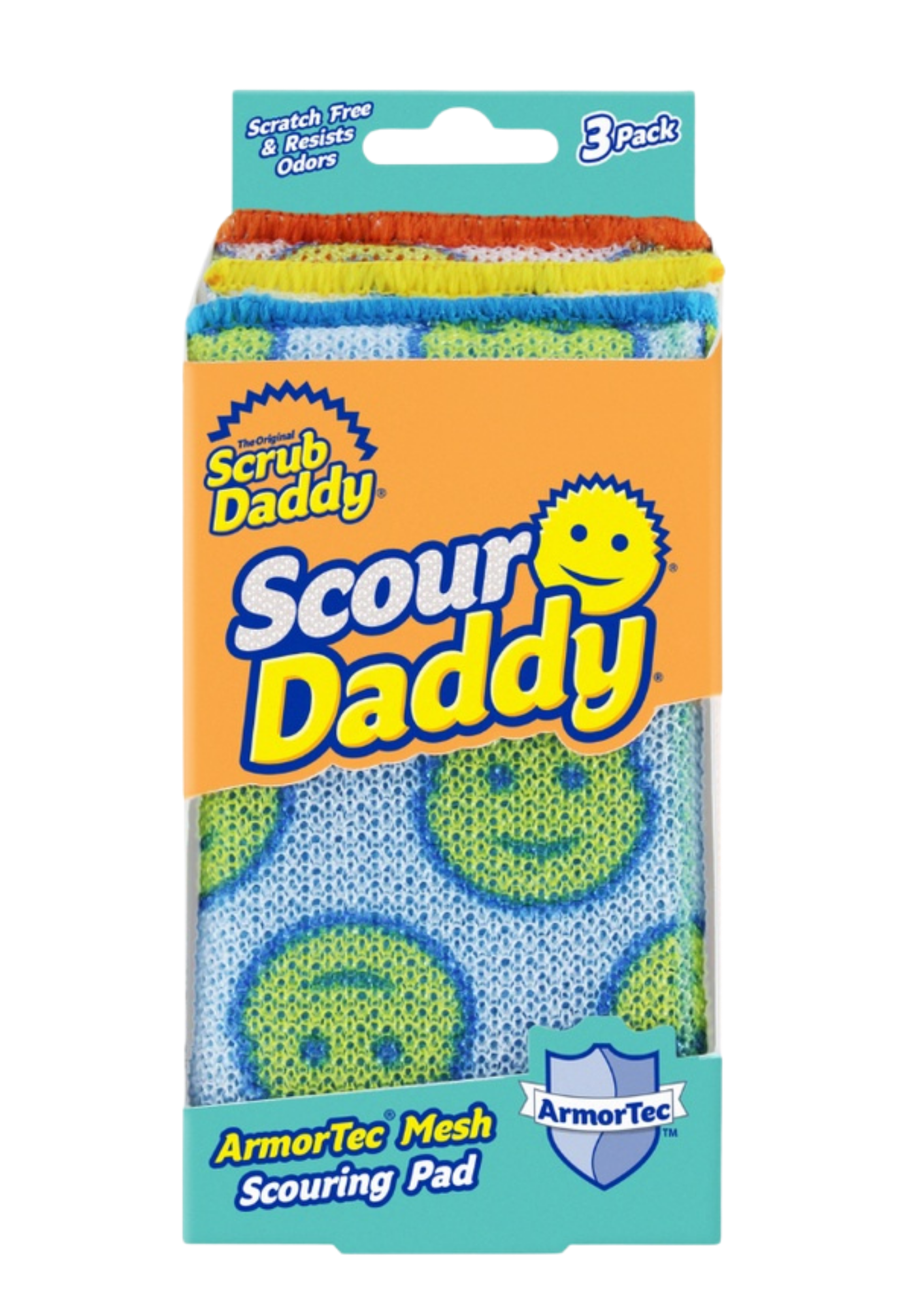
Scour Daddy
Use for:
Granite
Glass, porcelain, ceramic
Showers, tubs, sinks
Fixtures
Ovens, stove tops
Do not use for:
Delicate or coated surfaces
Unfinished wood
How to use:
For a softer sponge, soak in warm water
For a firmer sponge, soak in cold water (this method is more abrasive)
Use with appropriate cleaning product
Scrub with the grain
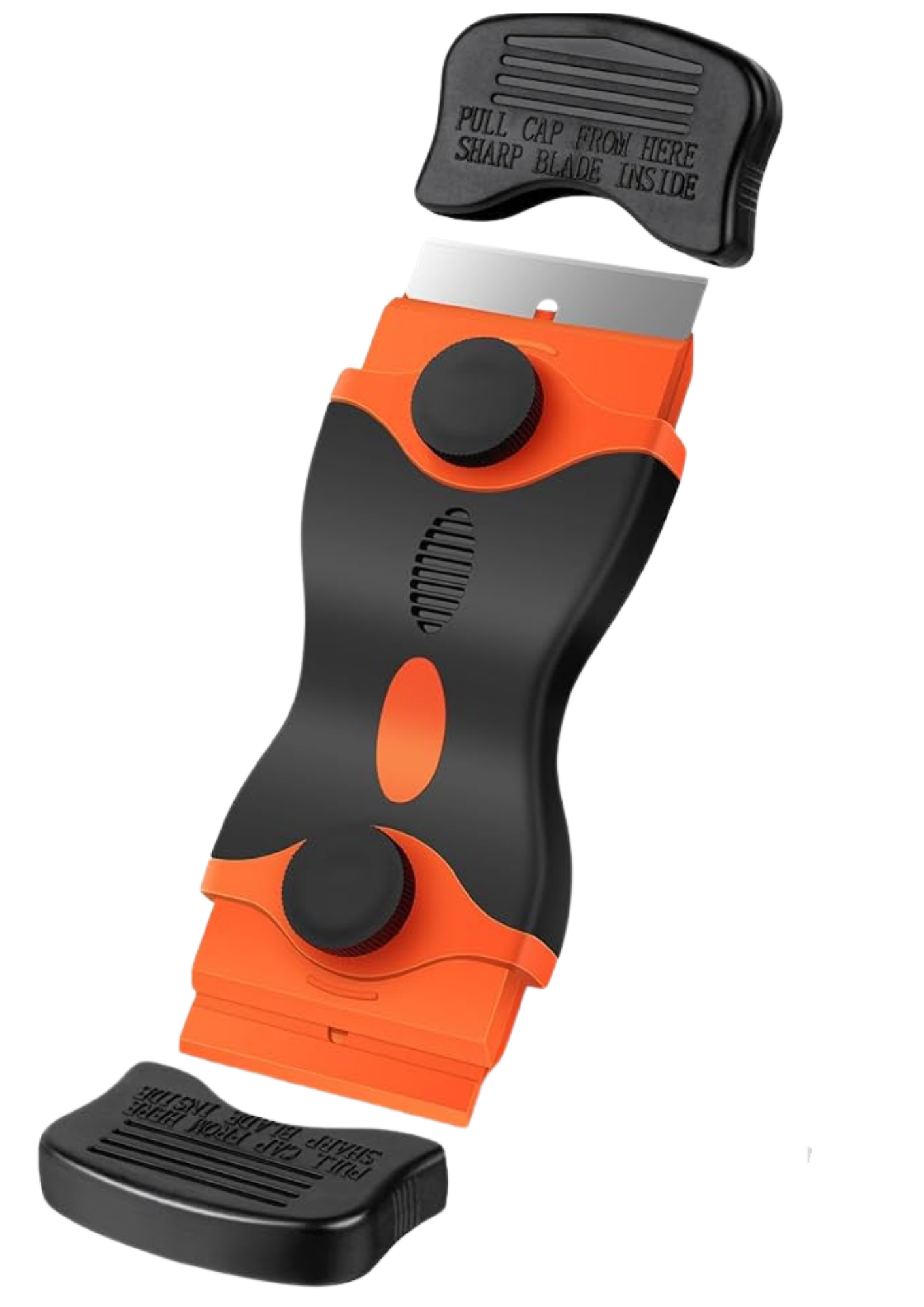
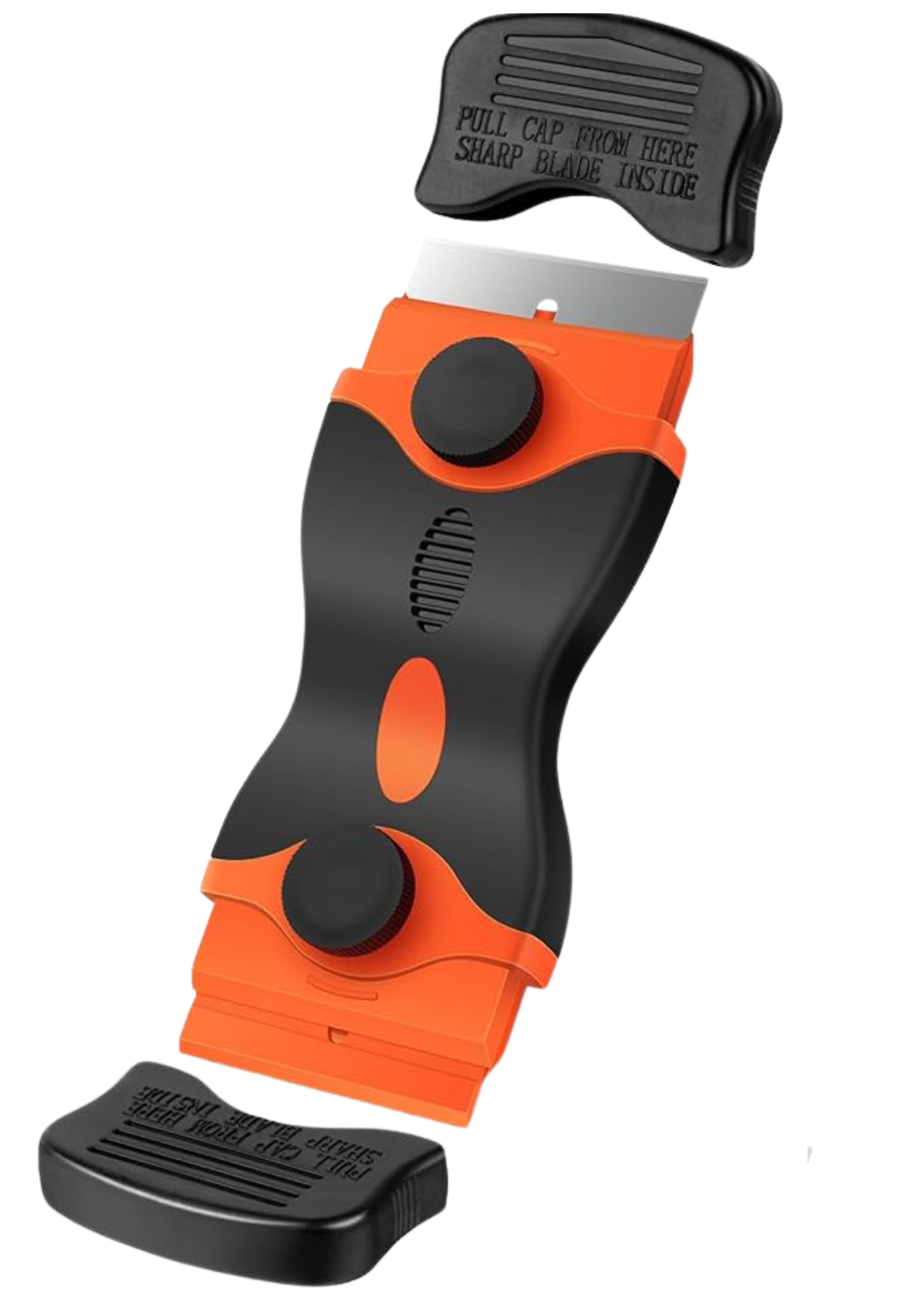
Dual Sided Razor Blades
Use for:
Helps to remove heavy buildup on stove tops, inside ovens, and tops of cabinets
Cleaning tubs and showers, especially with heavy soap scum or bar soap residue
Taking off gum or stickers left by kids on various surfaces
Reduces the need for elbow grease during deep cleaning
Making cleaning faster and easier overall - work smarter, not harder
How to use:
Use the metal side for tough buildup on stove tops and inside ovens
Use the plastic blade for gentler scraping on tubs, showers, and other delicate surfaces
Use the plastic blade to remove gum or stickers from flooring and help with tough grease buildup on tops of cabinetry in kitchen
Simply scrape off gunk or buildup instead of wasting time attempting to get through layers of buildup using a rag or sponge - not effective
Test in an inconspicuous area and be cautious to avoid damage.
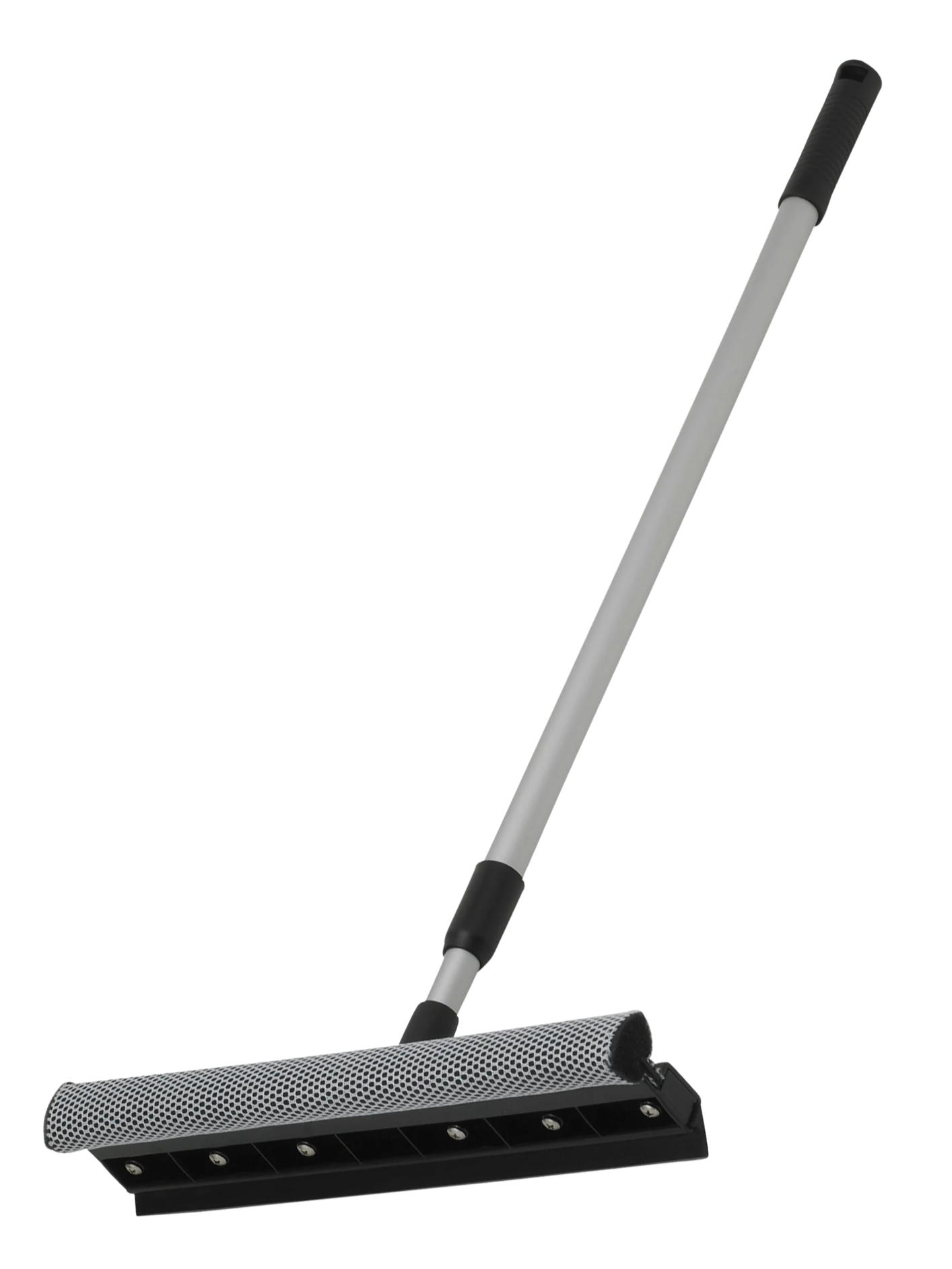
Squeegee
Use for:
Prevents water spots and hard water buildup on glass and tile
Keeps shower doors and walls looking clean and clear
Provides a quick, effective way to dry surfaces after showering
Useful tool for both cleaning kits and homeowners’ daily use
How to use:
Use the squeegee to quickly wipe down shower glass doors after each shower
Run it over tile walls to remove excess water
Use it instead of (or in addition to) a towel to dry surfaces faster
Always use from top to bottom
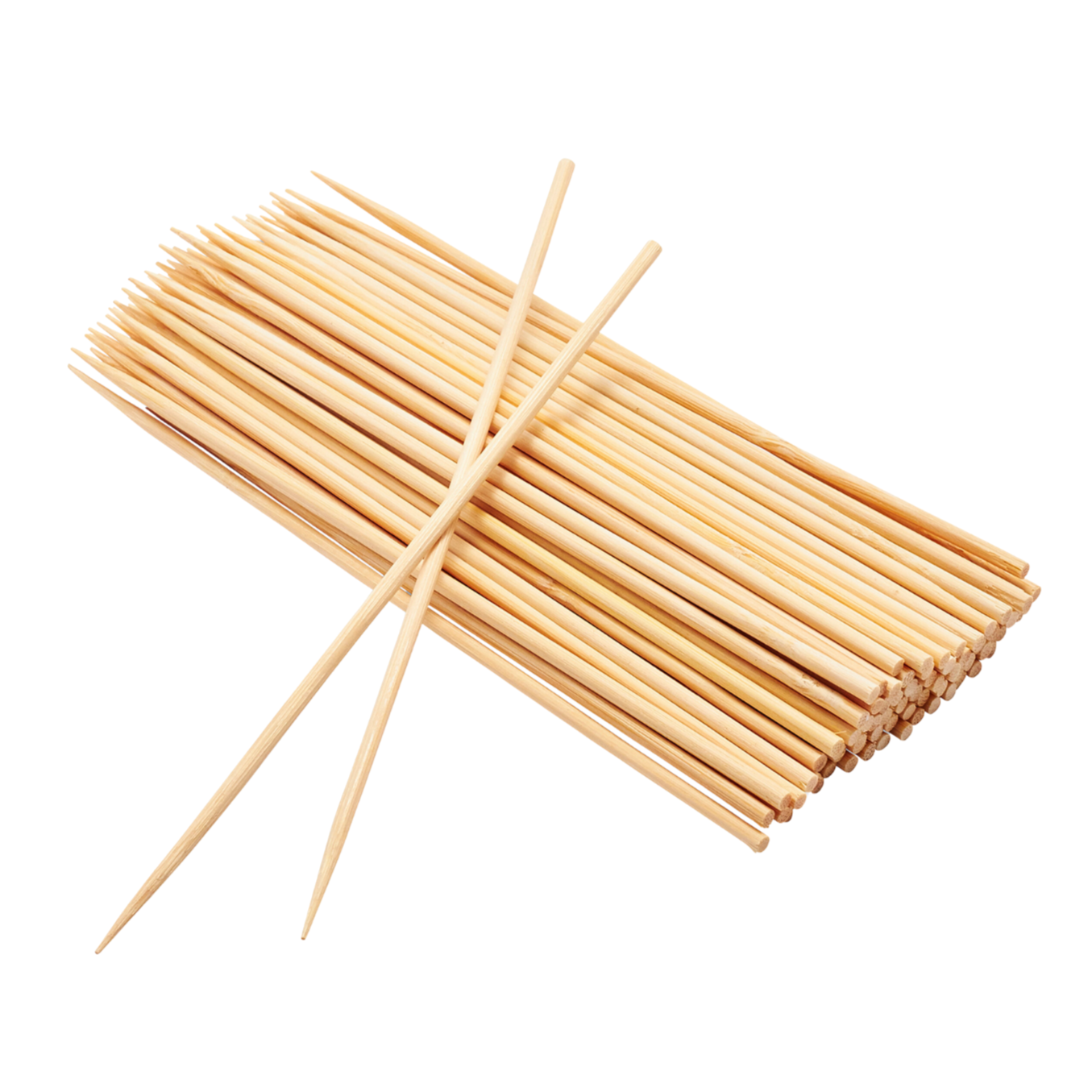
Skewers
Use for:
Getting built-up gunk out of little cracks and crevices
Great for detailing kitchen cabinets, certain spots on the inside/outside of appliances, windows, phones, vehicles, furniture, etc. - so many uses!
How to use:
Wrap with a damp cloth to clean window and door tracks, interior and exterior appliance crevices, etc.
Detail around faucet bases, clean out cracks between the kitchen or bathroom counter and backsplash
Comes in handy for keyboards, vents, fixtures, moldings and MORE
Scrape off sticky residue or gunk in hard-to-reach areas with ease
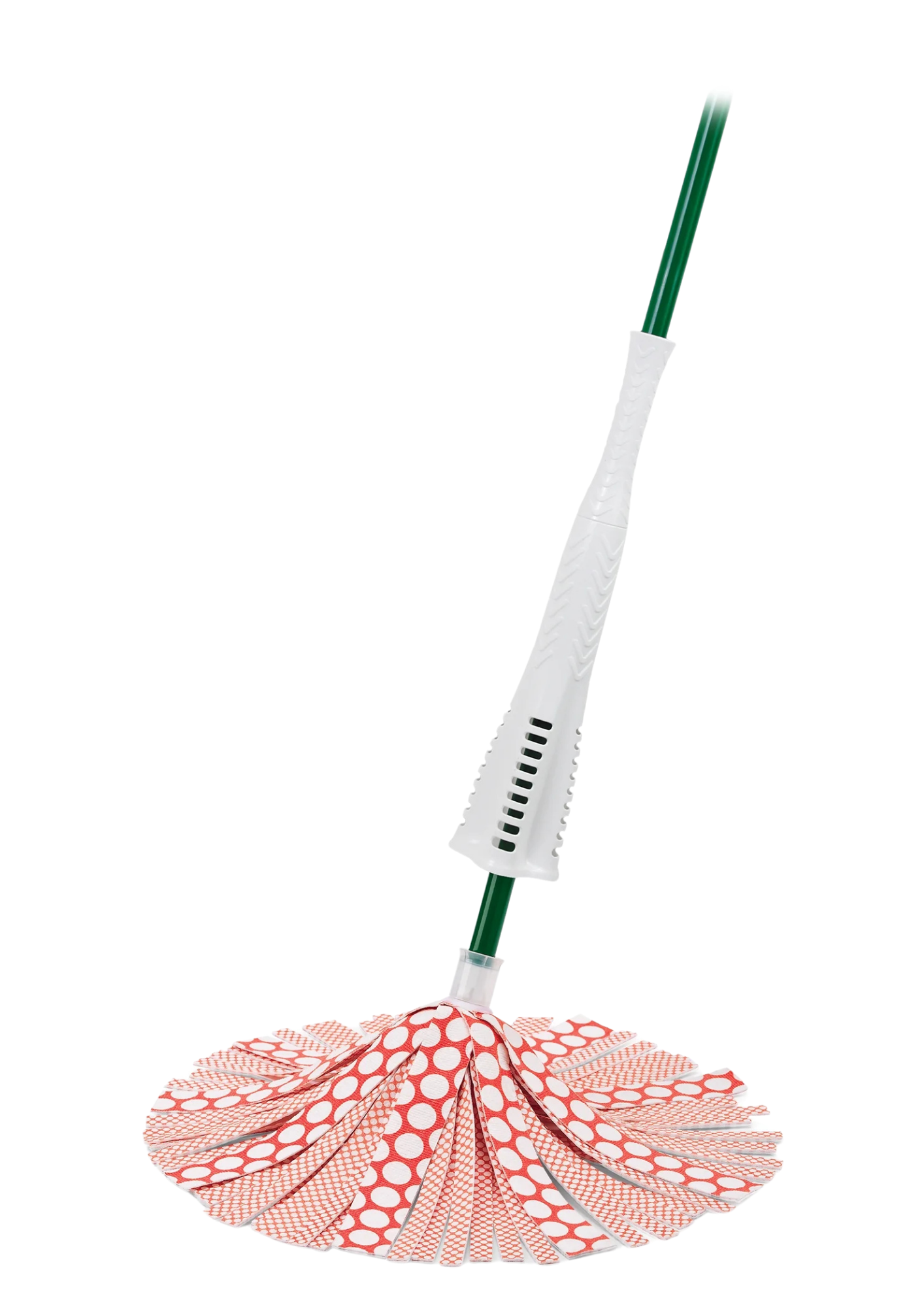
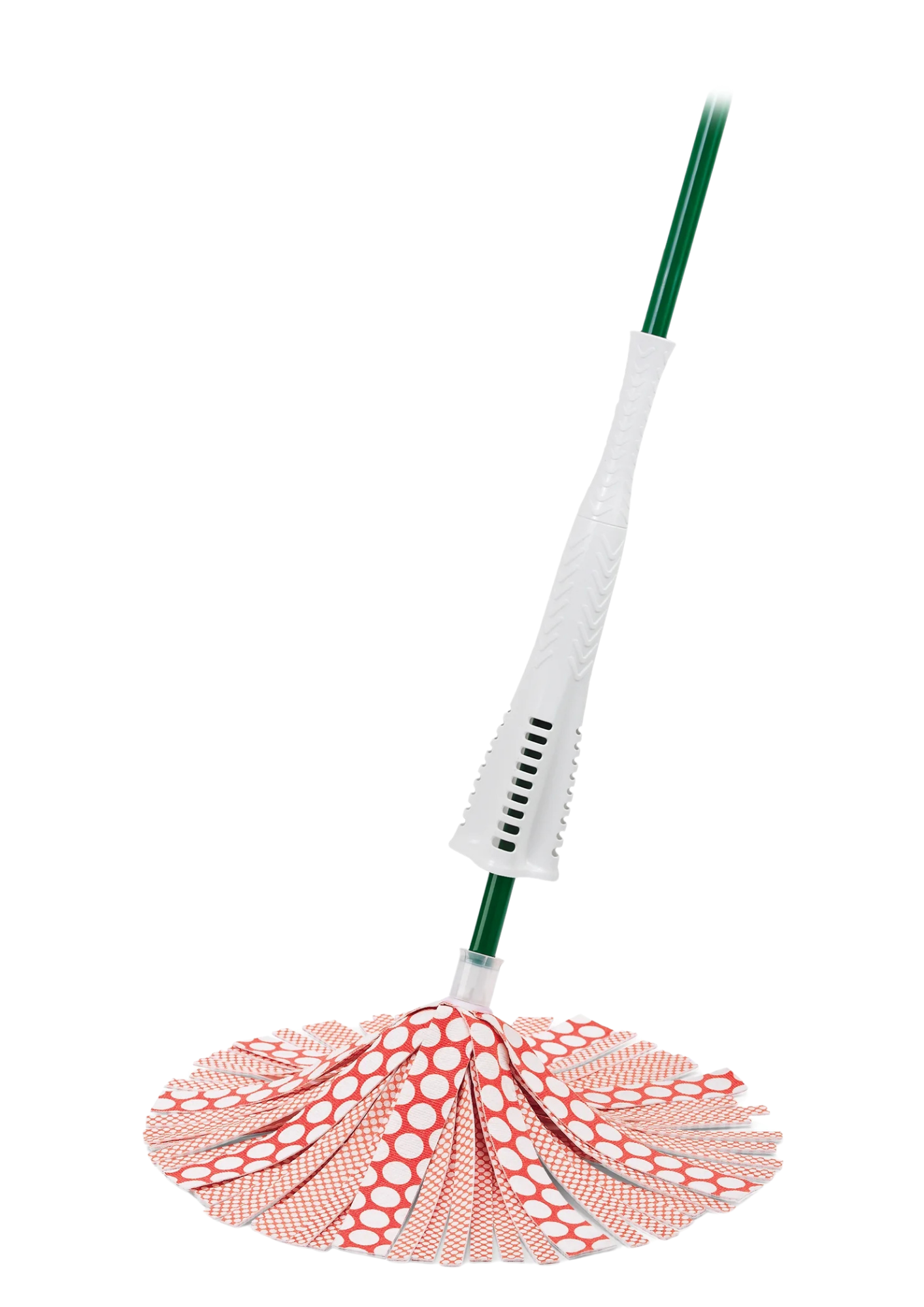
Mop
Use for:
Marble, stone, hardwood, vinyl, laminate, tile, linoleum, ceramic tile
Do not use for:
Oiled/waxed flooring and unsealed tile - excess water can damage the finish or seep into porous surfaces. Damp mop with pH neutral solution and dry or find another method that will be safe to use on these surfaces
How to use:
Dip mop head in bucket of water and desired floor cleaning product
Wring it out well - be careful not to saturate flooring
Always go with the grain/direction of flooring
Depending on flooring, you may need to dry

Not all mops are created equally- choosing the right tool is the key.
Choosing the Right Mop: Residential vs. Commercial Cleaning
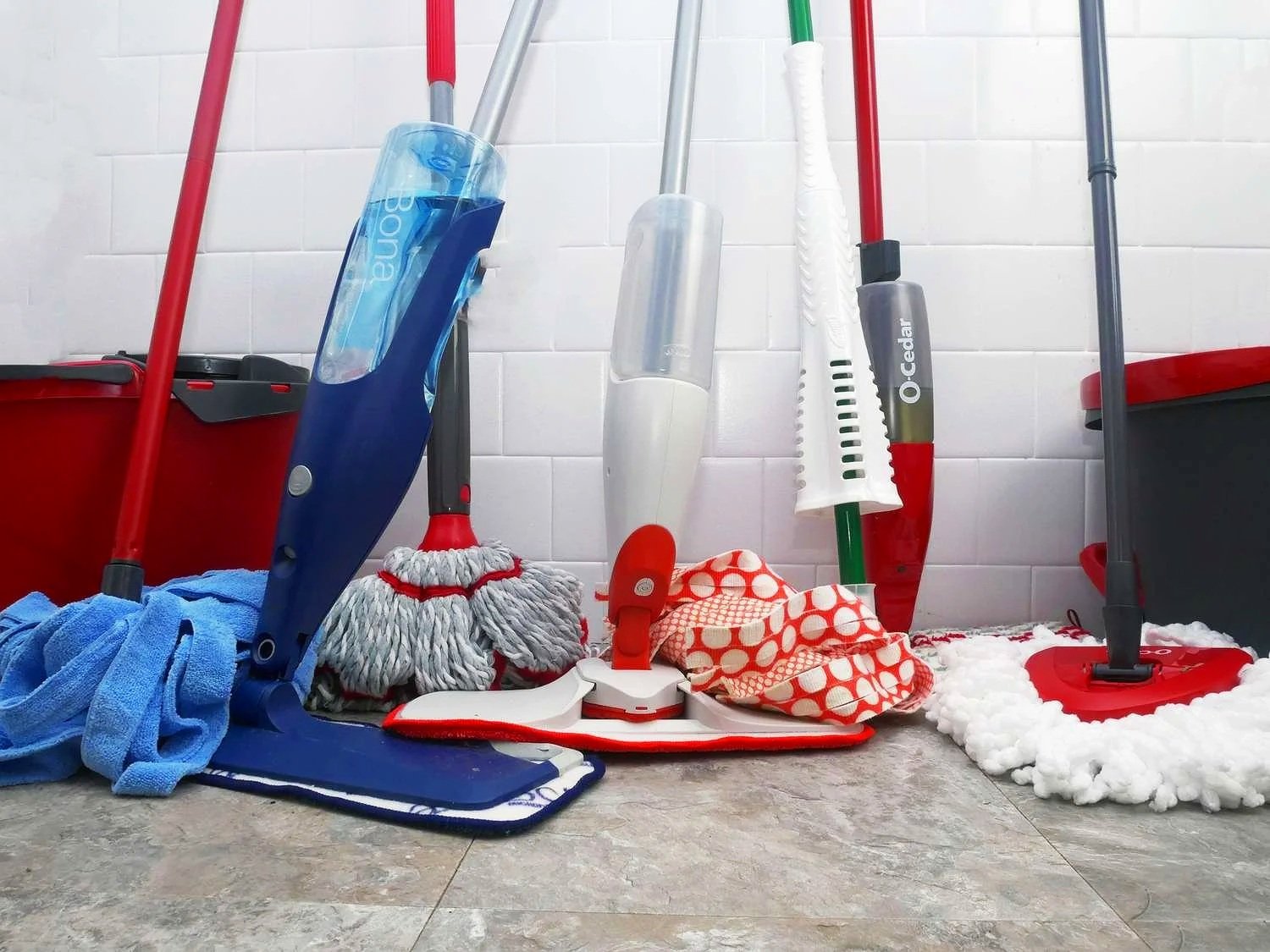
Residential Mops
Designed for light to moderate cleaning in homes
Typically smaller, lighter, and easier to maneuver
Made with convenience in mind—often use simple wringing systems
Best for occasional or routine cleaning on smooth indoor floors
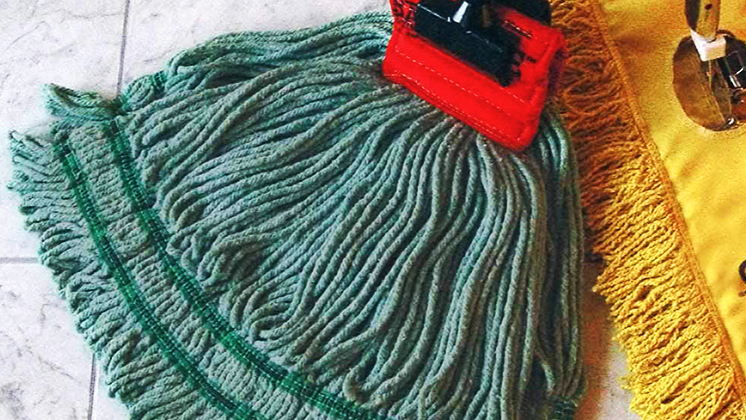
Commercial Mop
Built for heavy-duty, frequent cleaning in larger or high-traffic areas
Usually larger and more durable, with stronger handles and mop heads
Designed to cover more surface area quickly and withstand repeated use
Often paired with professional-grade buckets, wringers, and cleaning solutions
Environmentally Friendly and Budget-Friendly Tools
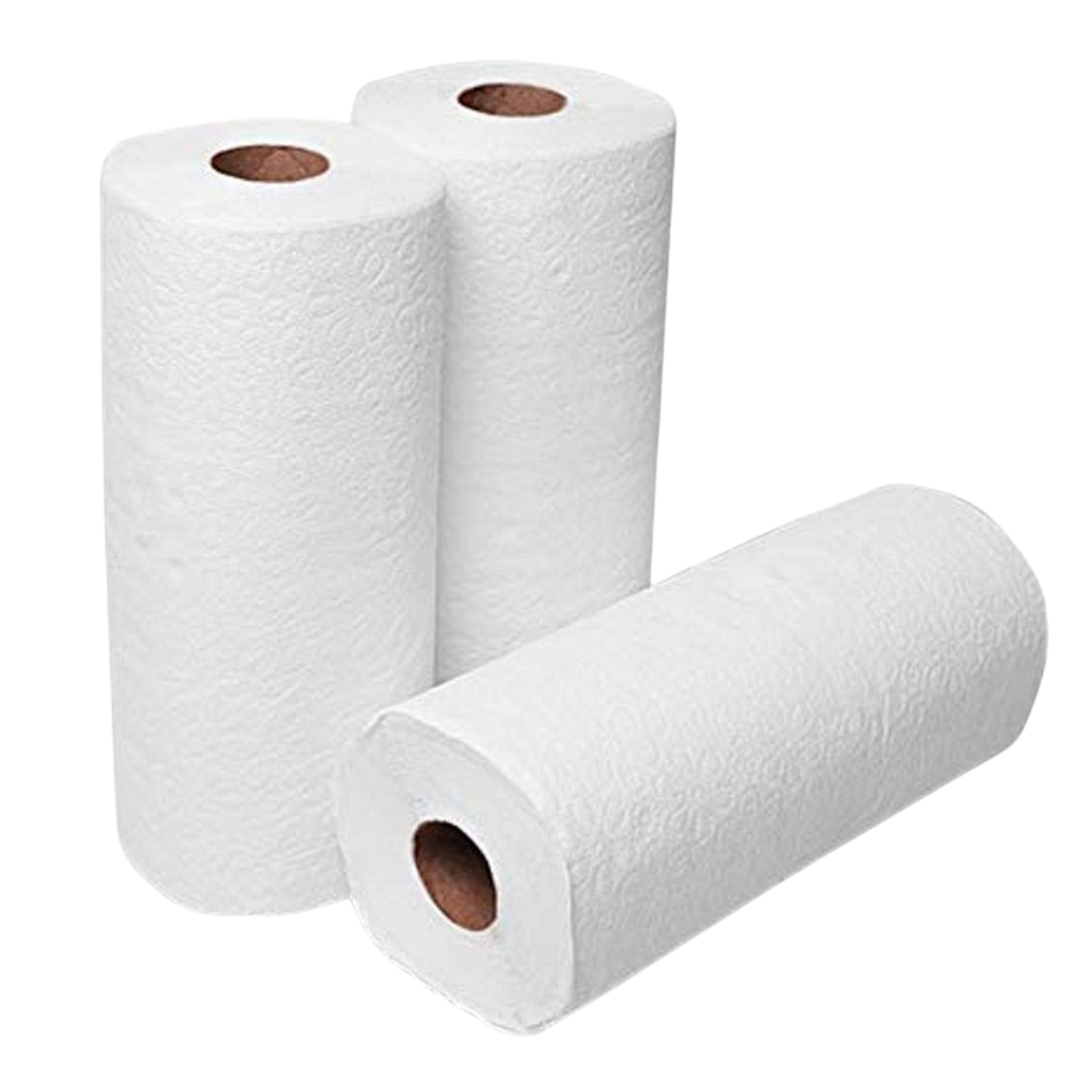
Paper Towels
Disposable and convenient for quick cleanups
More sanitary for messes involving grease, food, or bodily fluids
Can get expensive and create more waste over time
Great for pet messes
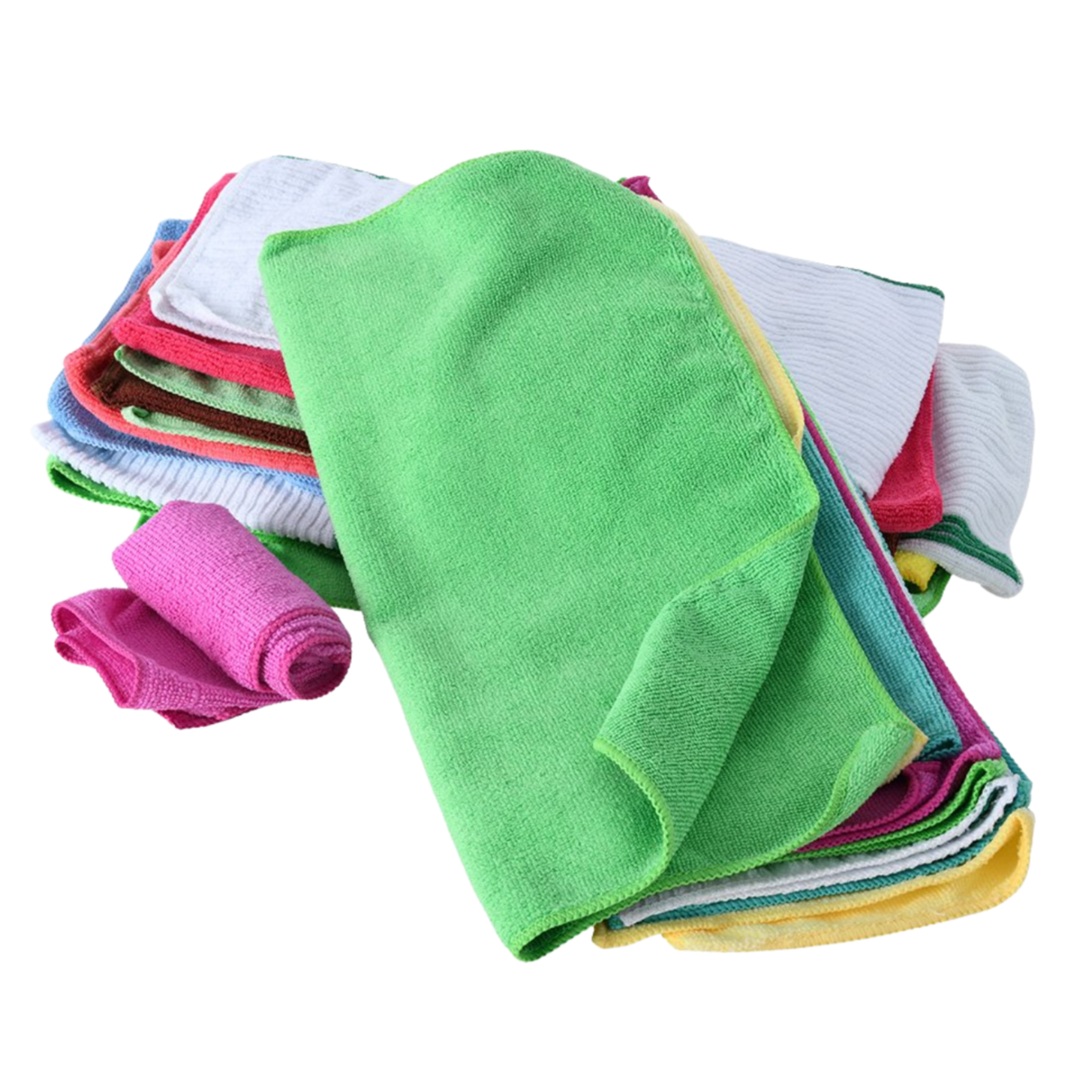
Rags
Cost-effective
Less waste
Wash and reuse countless times
Great for general cleaning and polishing
Require proper and frequent washing to prevent bacteria buildup
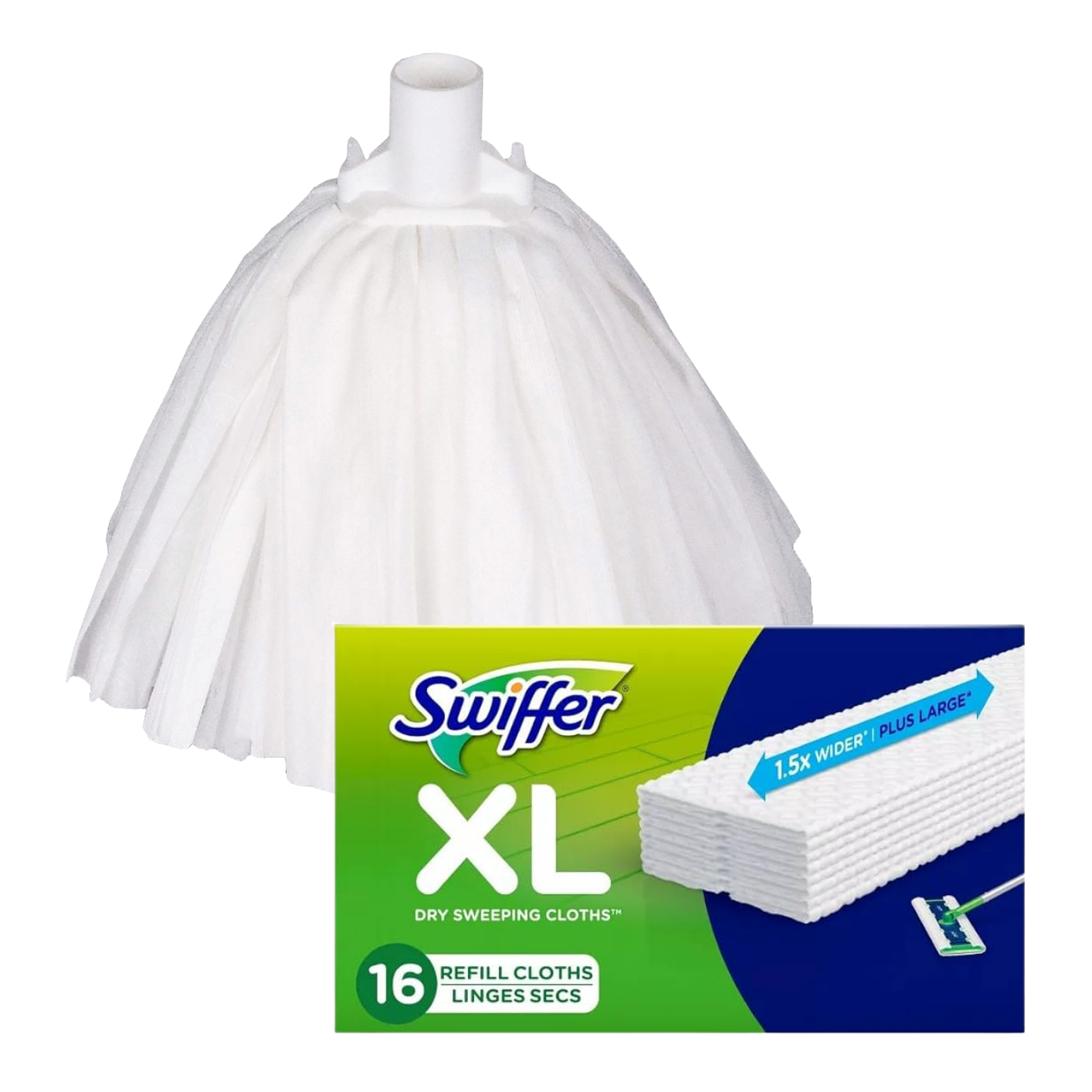
Disposable Mop Heads
Single-use, which reduces cross-contamination in sensitive areas (like bathrooms)
Convenient - no washing required
More costly and less eco-friendly
Use for nasty messes and dispose
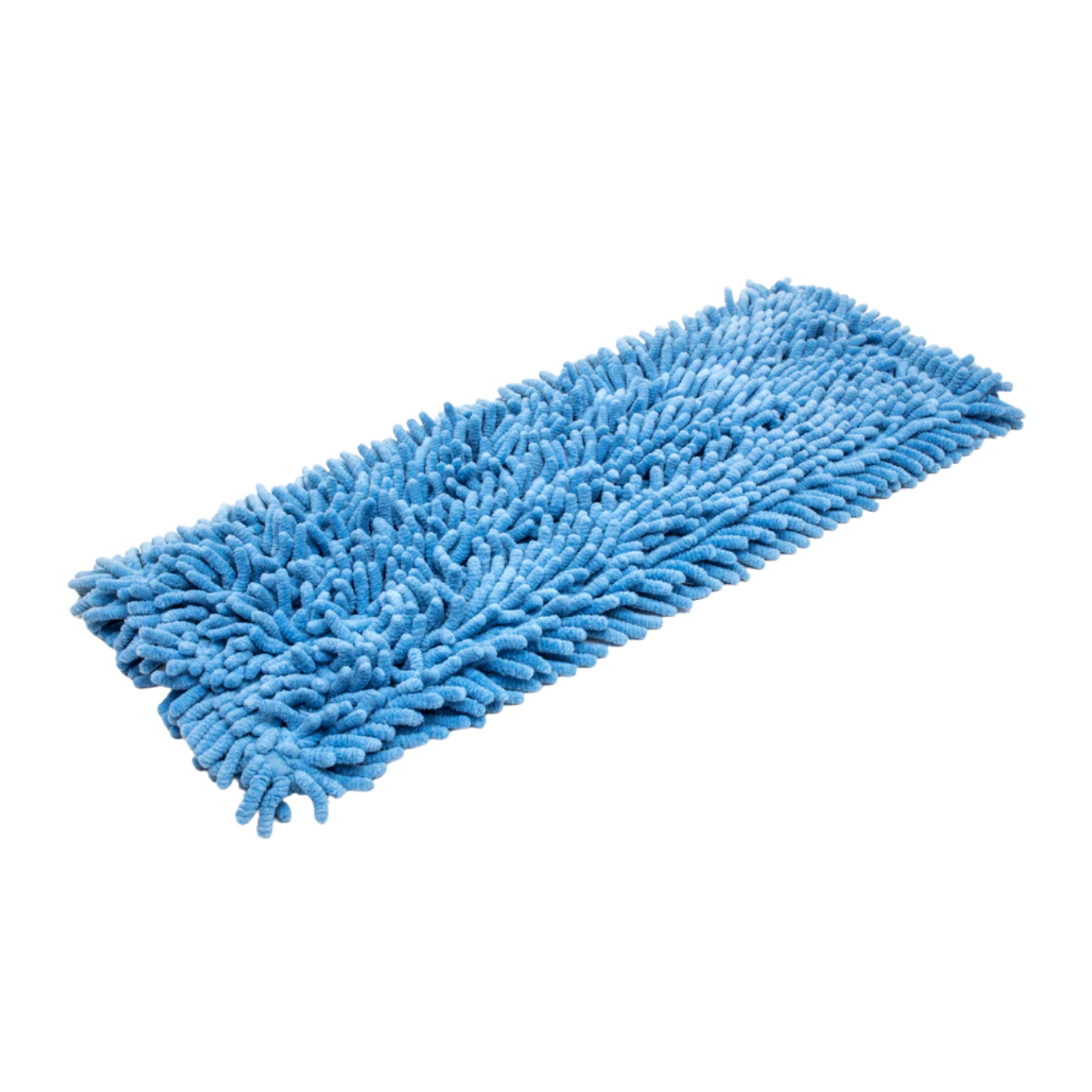
Microfiber Mop Pads
Reusable and excellent at trapping dirt, dust, and hair
Flat mops are ideal for both wet/dry mopping, dusting your bare floors, hard-to-reach areas (beneath furniture), drying flooring, and walls
Need regular washing to stay effective and hygienic
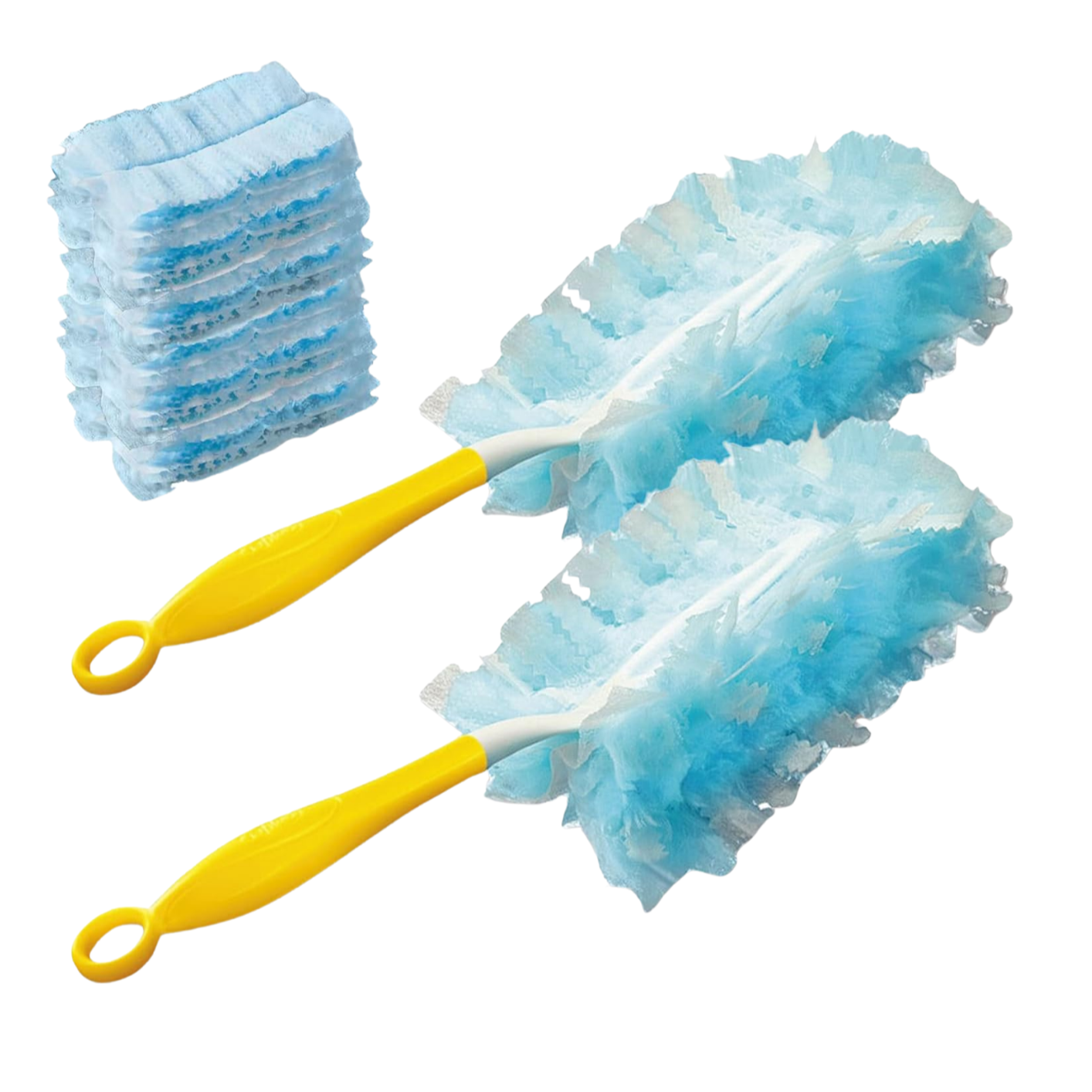
Disposable Dusters
Convenient and hygienic - just toss after use
Great at trapping fine dust and allergens
Ongoing cost and not environmentally friendly
May need to be switched out frequently to avoid pushing dust around
Does not work on greasy surfaces.
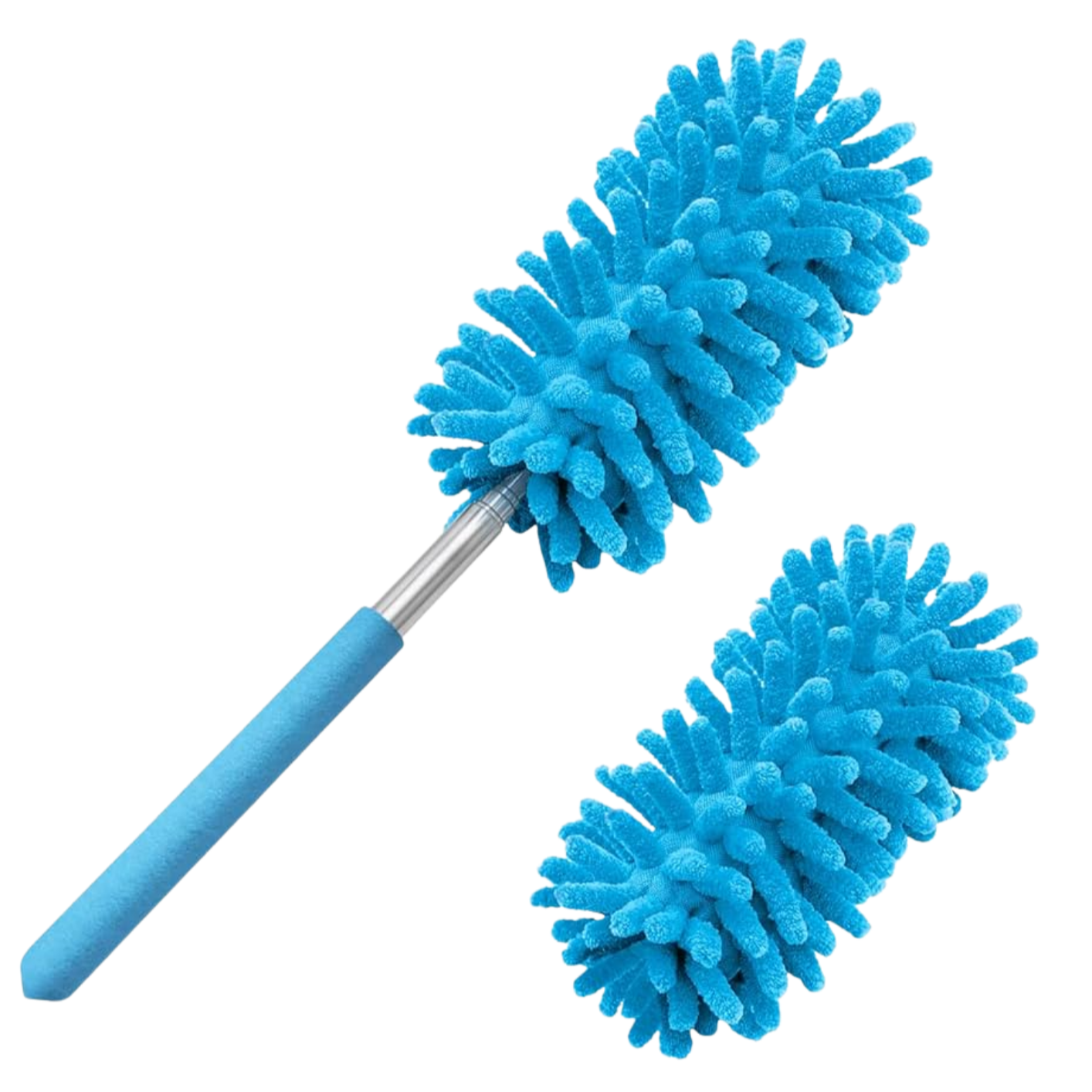
Microfiber Dusters
Reusable and washable.
Attracts and holds dust well due to static charge
Requires occasional cleaning to maintain effectiveness/cleanliness
You get what you pay for - be sure to pick a sturdy one
Does not work on greasy surfaces.

Feather
Dusters
Gentle on delicate surfaces and good for light dusting
Tends to move dust around more than it traps it
Best for quick surface touch-ups, not deep cleaning/for areas with a lot of dust or build-up
Does not work on greasy surfaces.
Vacuums
A high-quality vacuum is one of the best tools in keeping a sparkling home and a must-have in any effective cleaning routine. Choosing the right vacuum - and using the proper attachment - makes a big difference in removing dirt, dust, pet hair, and allergens from carpets, hardwood, furniture, and tight corners. From everyday messes to deep cleaning, the right vacuum helps you clean faster, reach hidden dirt, and achieve truly professional-level results.
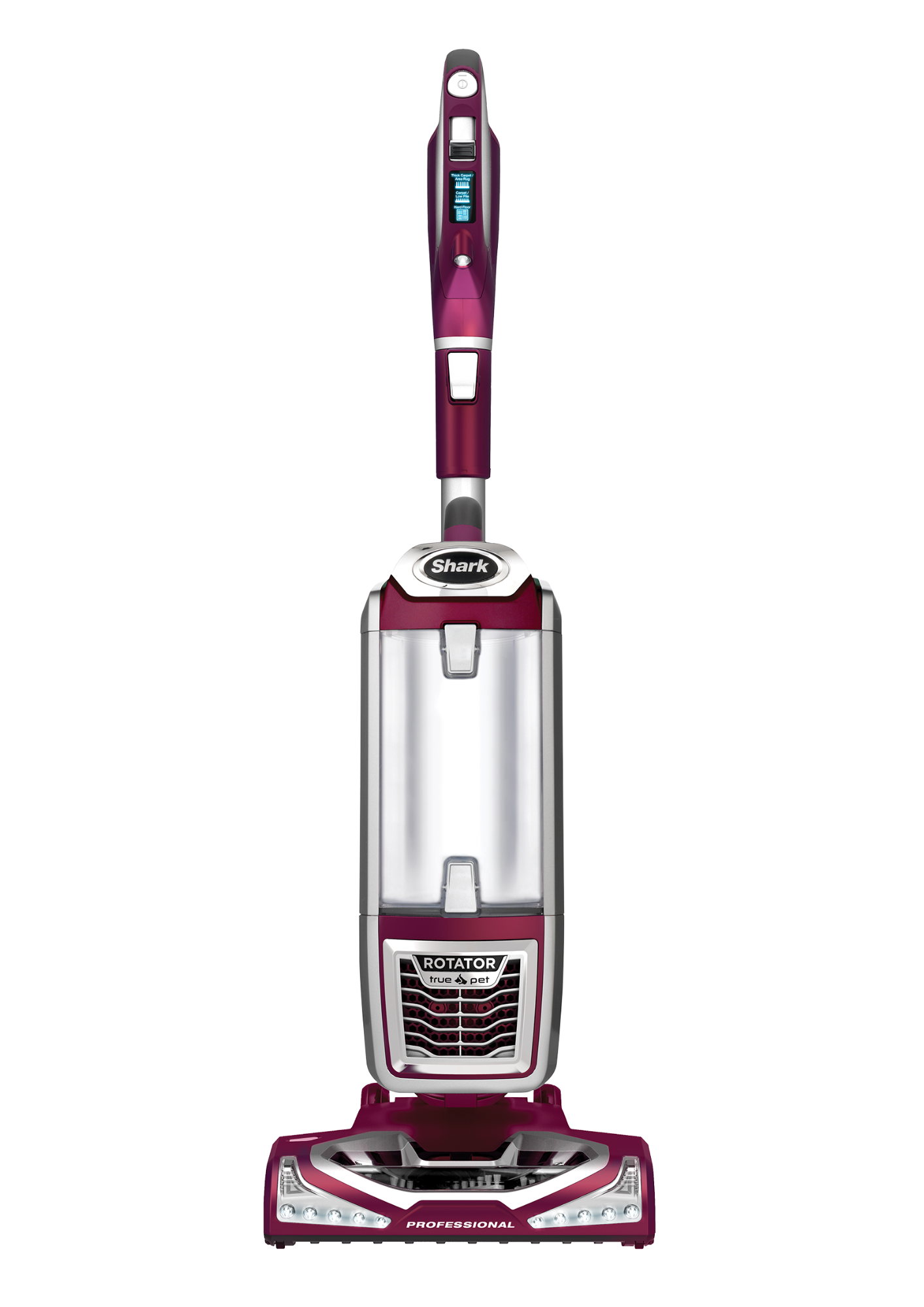
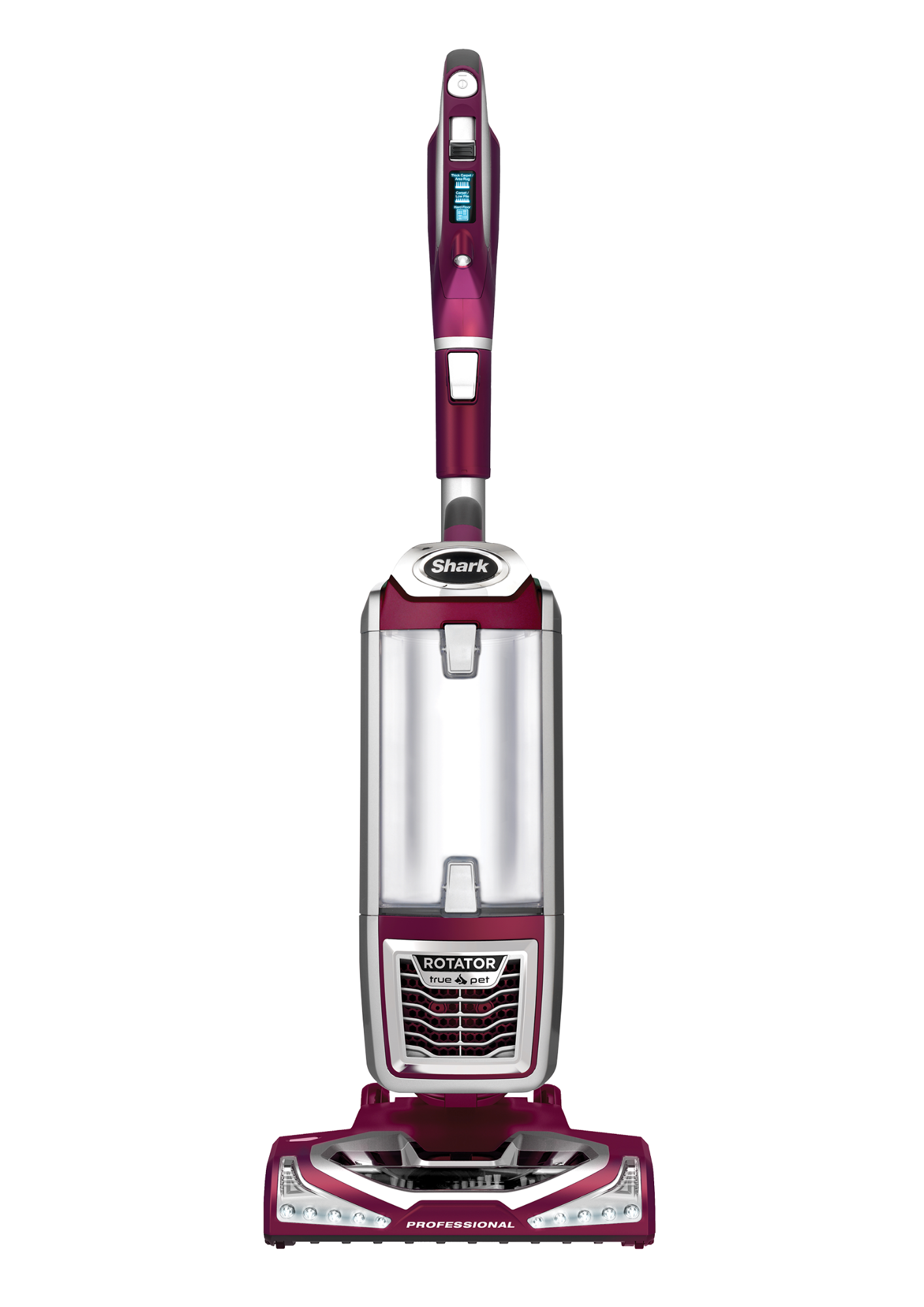
Bagless/Upright Vacuum
Lightweight and easy to clean. Simple maintenance: easy to unclog, diagnose, and replace filters
Comes with various attachments (and more can be ordered). Replacement parts are reasonably priced
Great suction - works well on bare floors and carpets
Ideal for homes with pets
Has a lift-away feature for cleaning under furniture and reducing weight while vacuuming
Affordable middle ground - good value for cost and performance
Other Vacuum Types
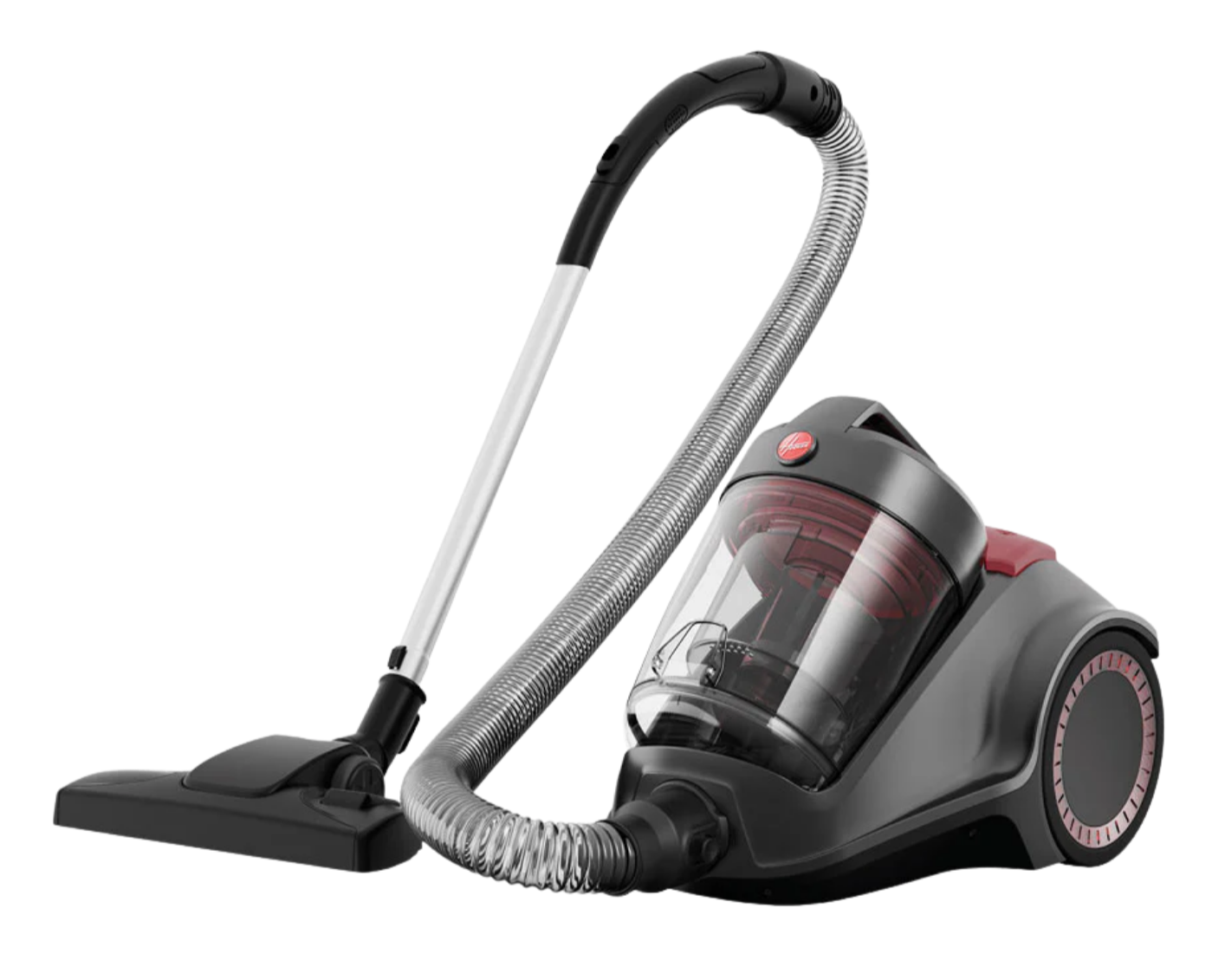
Canister Vacuums
Feature a separate canister and hose, making them great for stairs, upholstery, and hard-to-reach areas. Usually quieter and more powerful on hard floors. Most require purchasing bags
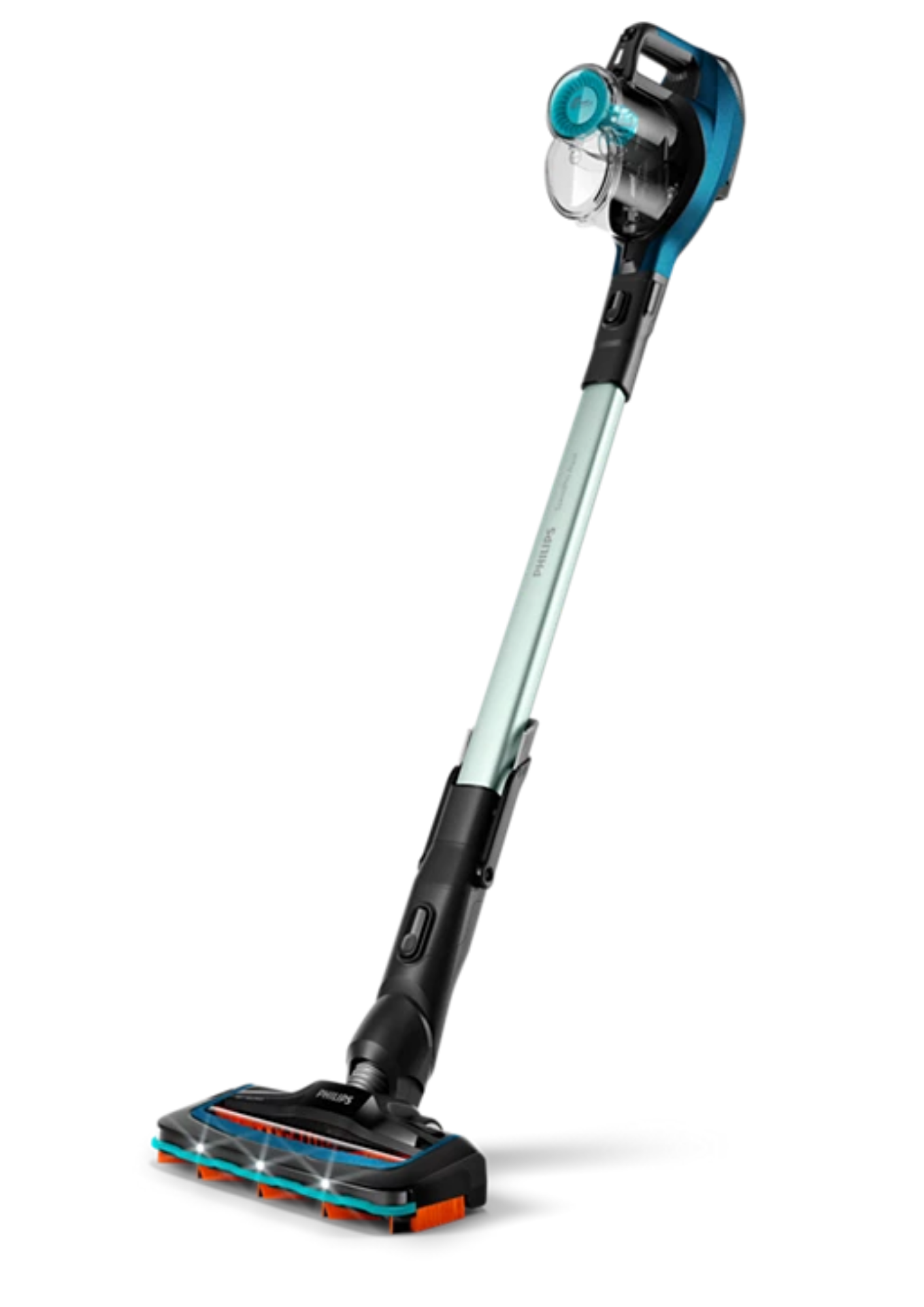
Stick Vacuums
Lightweight, cordless (usually), and perfect for quick cleanups and small spaces. Not as powerful but convenient for daily use. Battery may die quickly, and canisters are very small
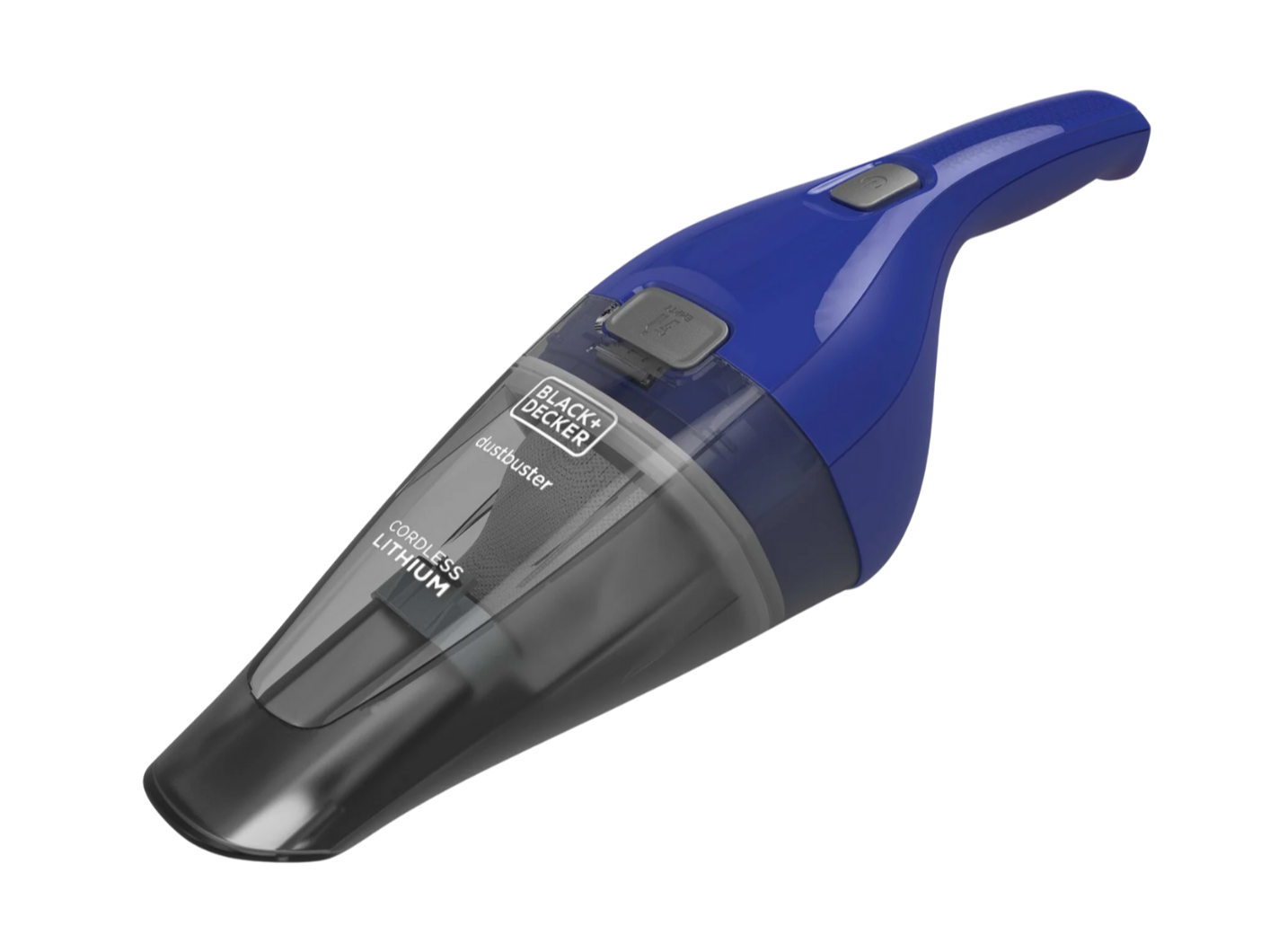
Handheld Vacuums
Small and portable, ideal for cleaning cars, furniture, and tight spots. Often used as a secondary vacuum for small messes and quick cleanup. Very small canister and will require frequent charging
Optimizing Your Vacuum Cleaning Experience: A Comprehensive Guide to Vacuum Attachments
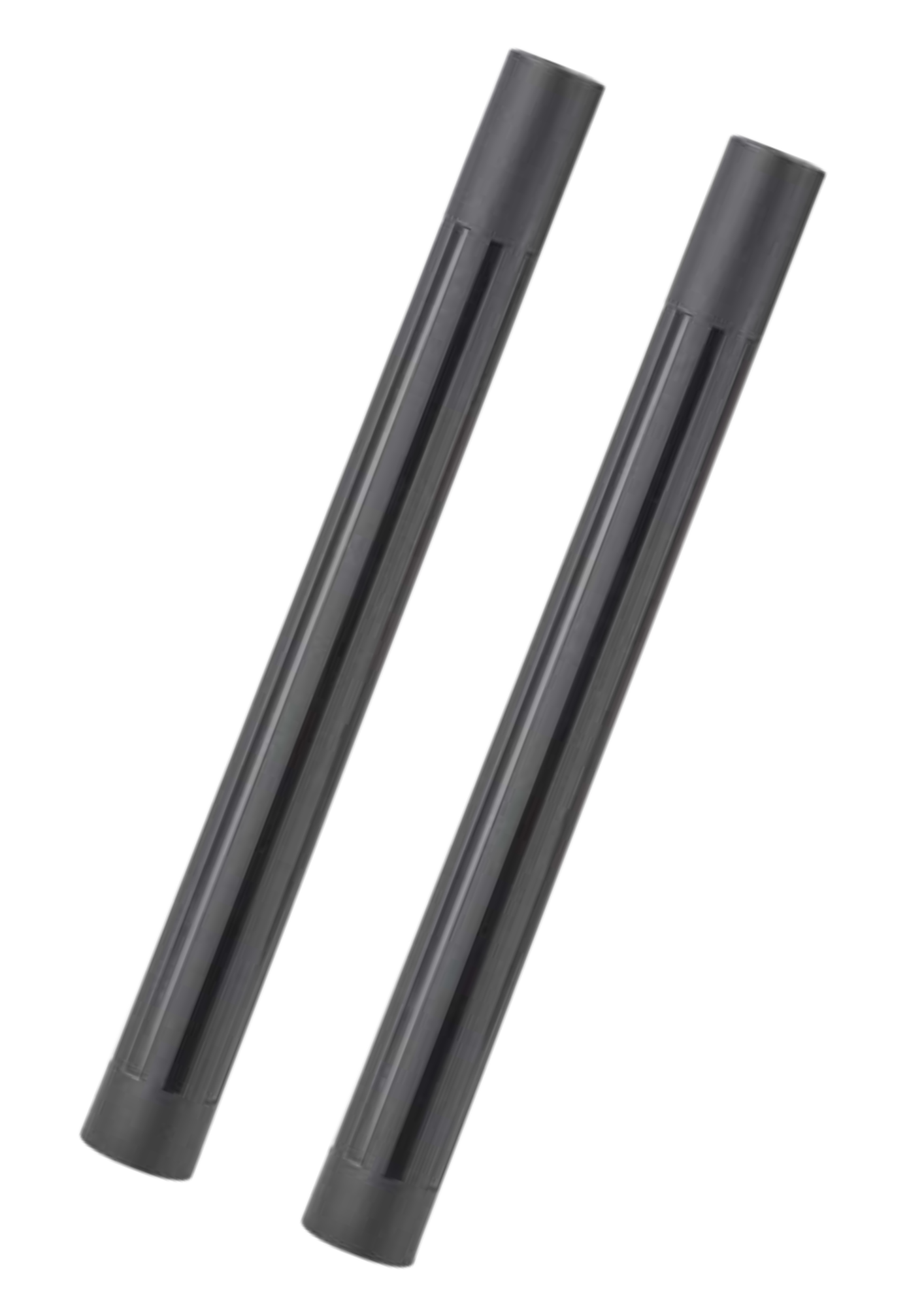
Extension Wand
Made of plastic or metal that fixes between your vacuum and chosen attachment
Adds (typically) 18 inches out of reach areas
Great for:
Fan blades
Light fixtures
Ceiling corners
Cracks and crevices
Behind furniture and appliances
Door and window frames, etc
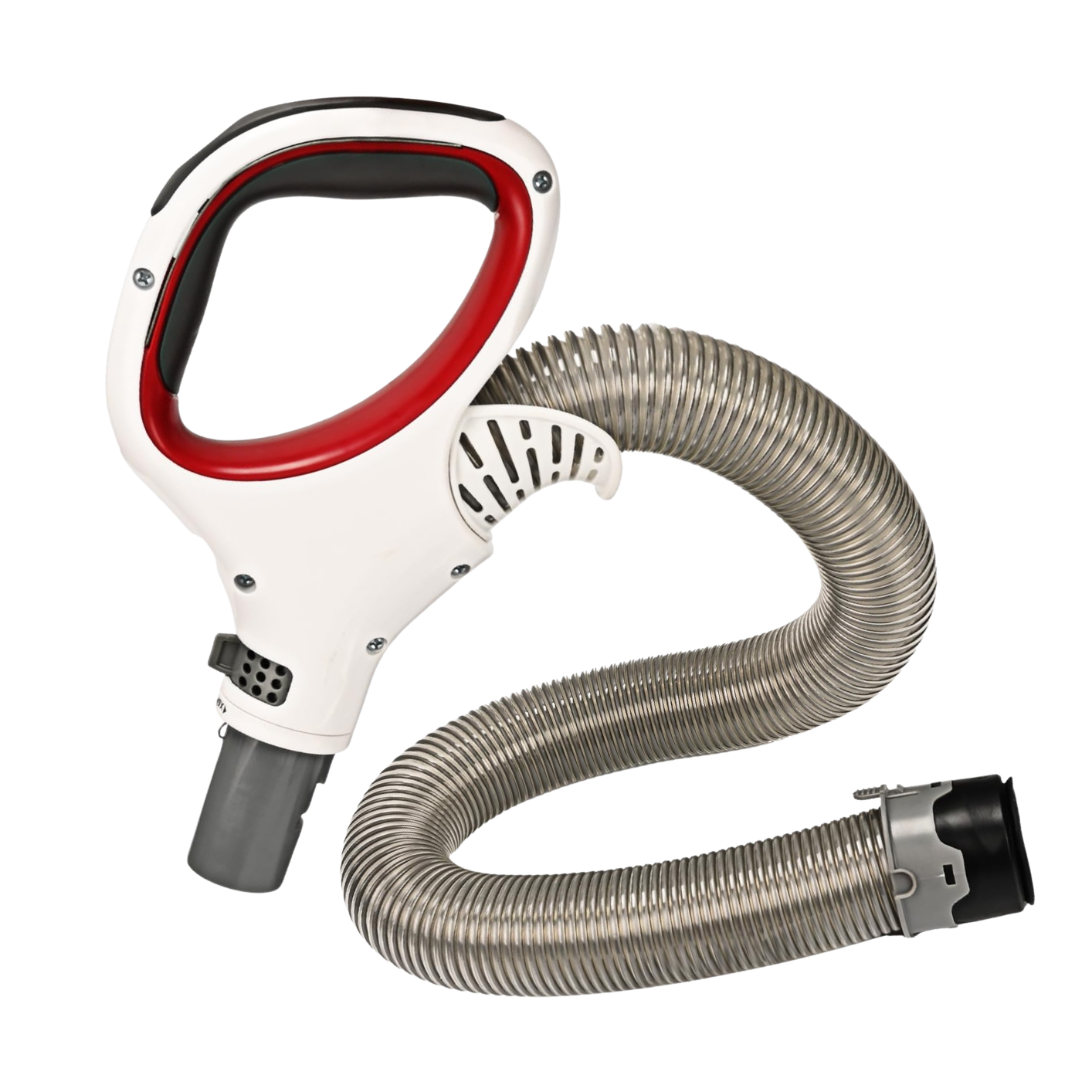
Powered handle/hose
Flexible tube made of plastic and/or rubber
Acts as the channel for dirt, dust, and debris to travel from the cleaning head to the dustbin/canister
Serves as a connector for various cleaning attachments, enhancing the vacuum's versatility
Usually powered with various settings that allow you to switch between bare and carpeted flooring
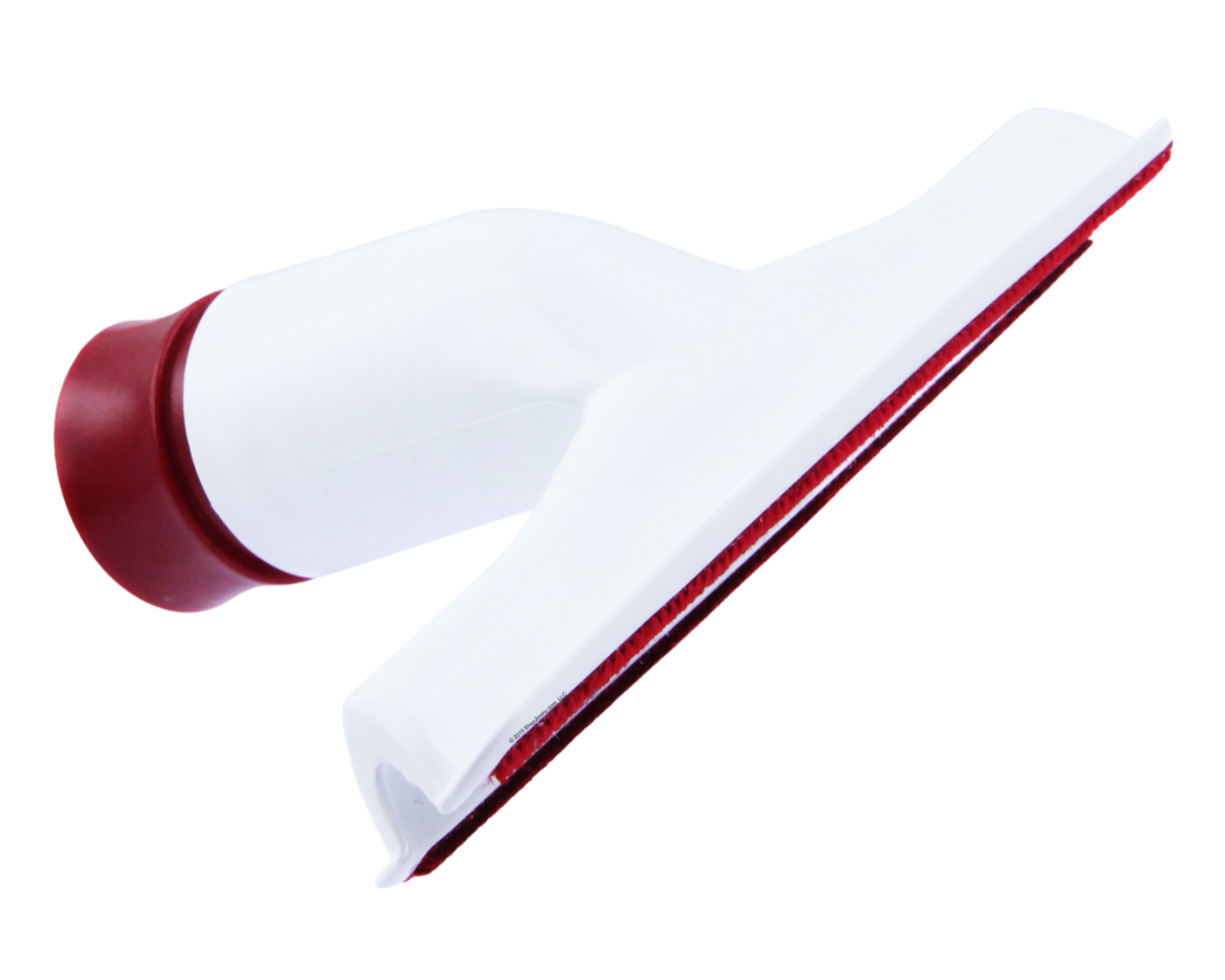
Upholstery Tool
Sucks up lint, dirt, hair, and debris from upholstery fibers
Great for stairs and mattresses
When it comes time to clean your equipment - this tool can be soaked - no power
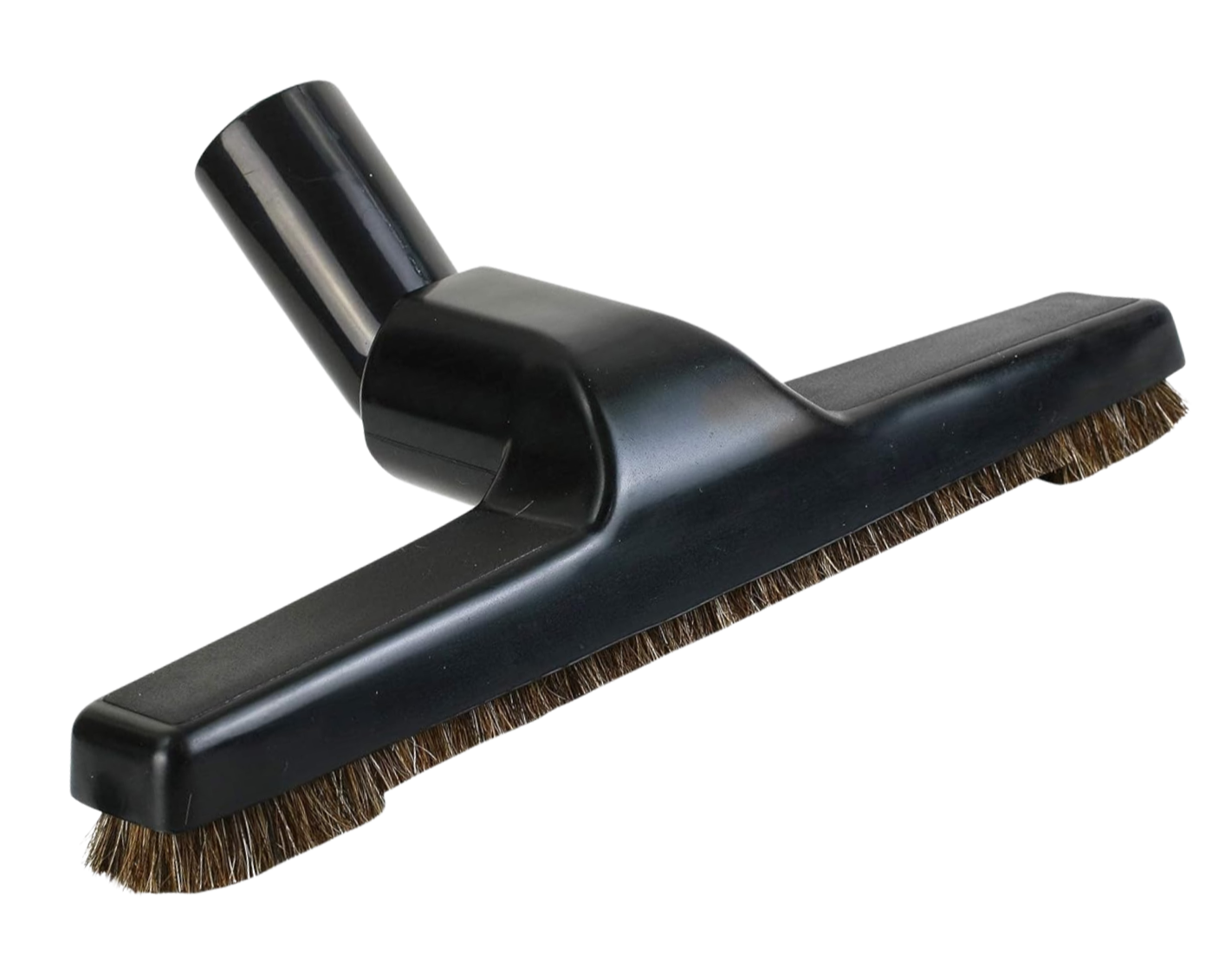
Floor Brush
Used to vacuum bare floors
Great for:
Hardwood floors
Tile and stone floors
Vinyl and linoleum floors
Low pile rugs
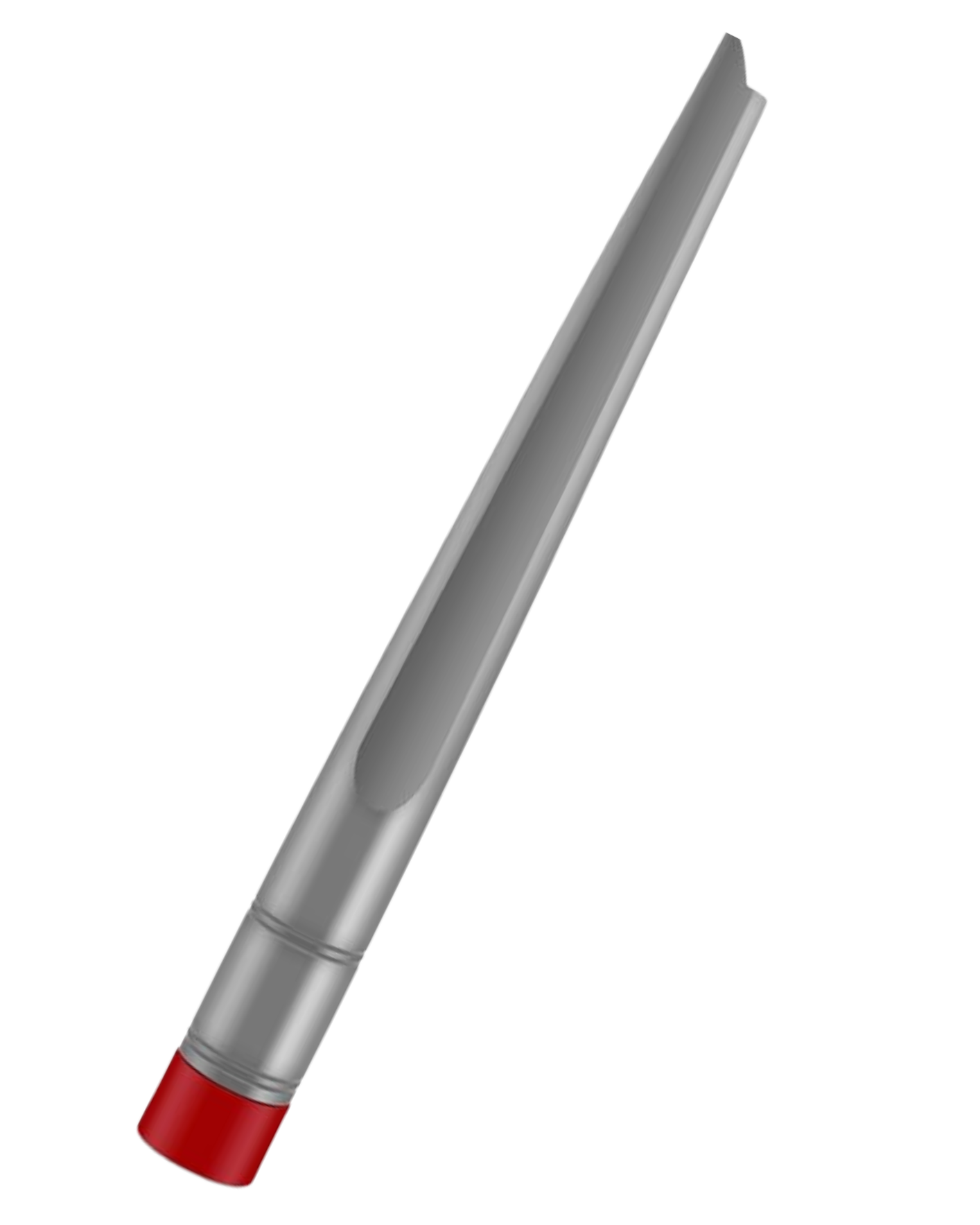
Crevice Cleaner
Thin, angled attachment tip
Fits in tight/narrow spaces
Great for:
Around baseboard edges
Under appliances
Window tracks
Between couch cushions
Tops of window/door frames
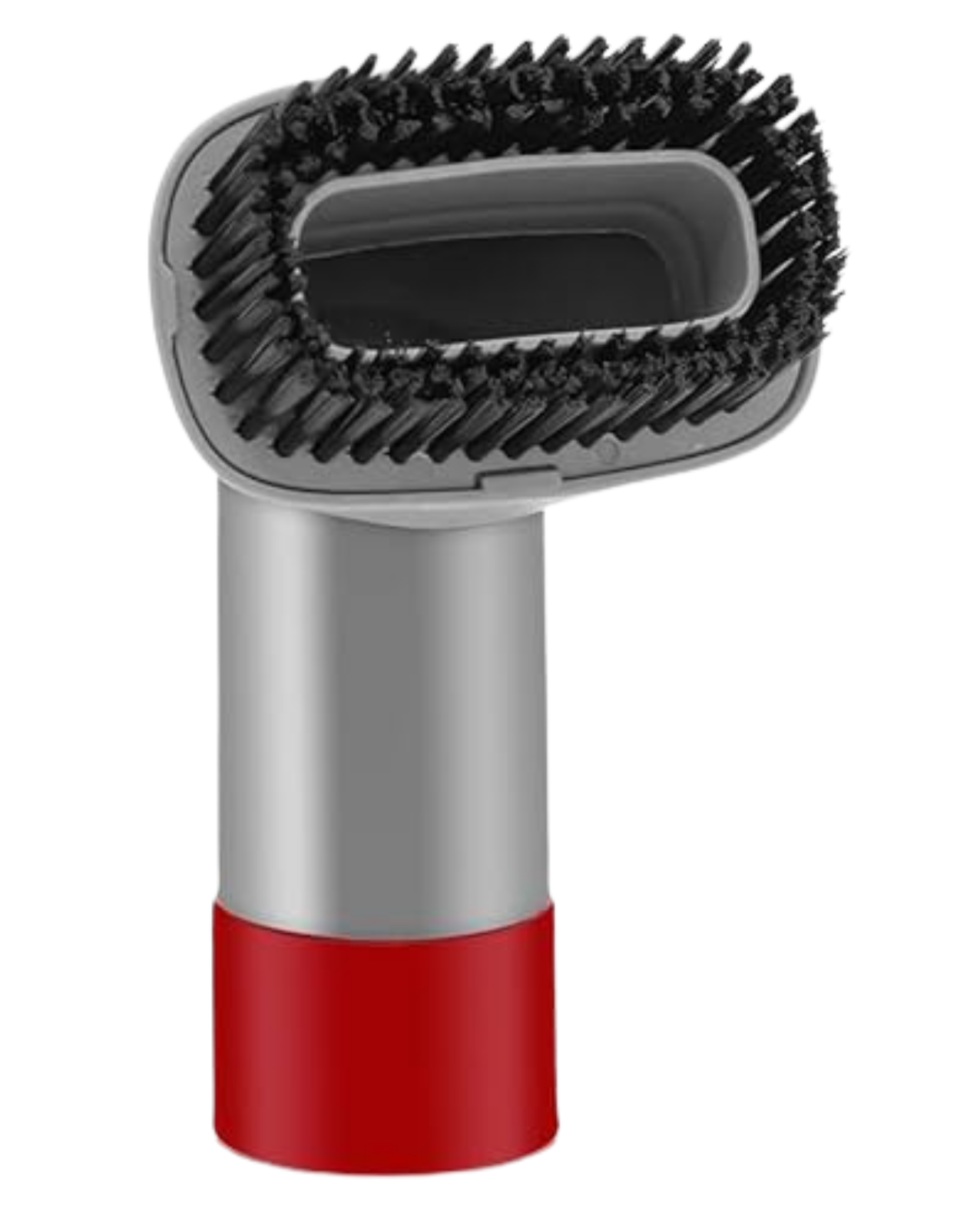
Dust Brush
Inch-long bristles surround the opening of this tool
Provides gentle abrasion to dislodge dust particles
Great for:
Lampshades
Window treatments
Decorative items
Table and chair legs
Furniture
Air vents
Refrigerator coils
Baseboards
Screens
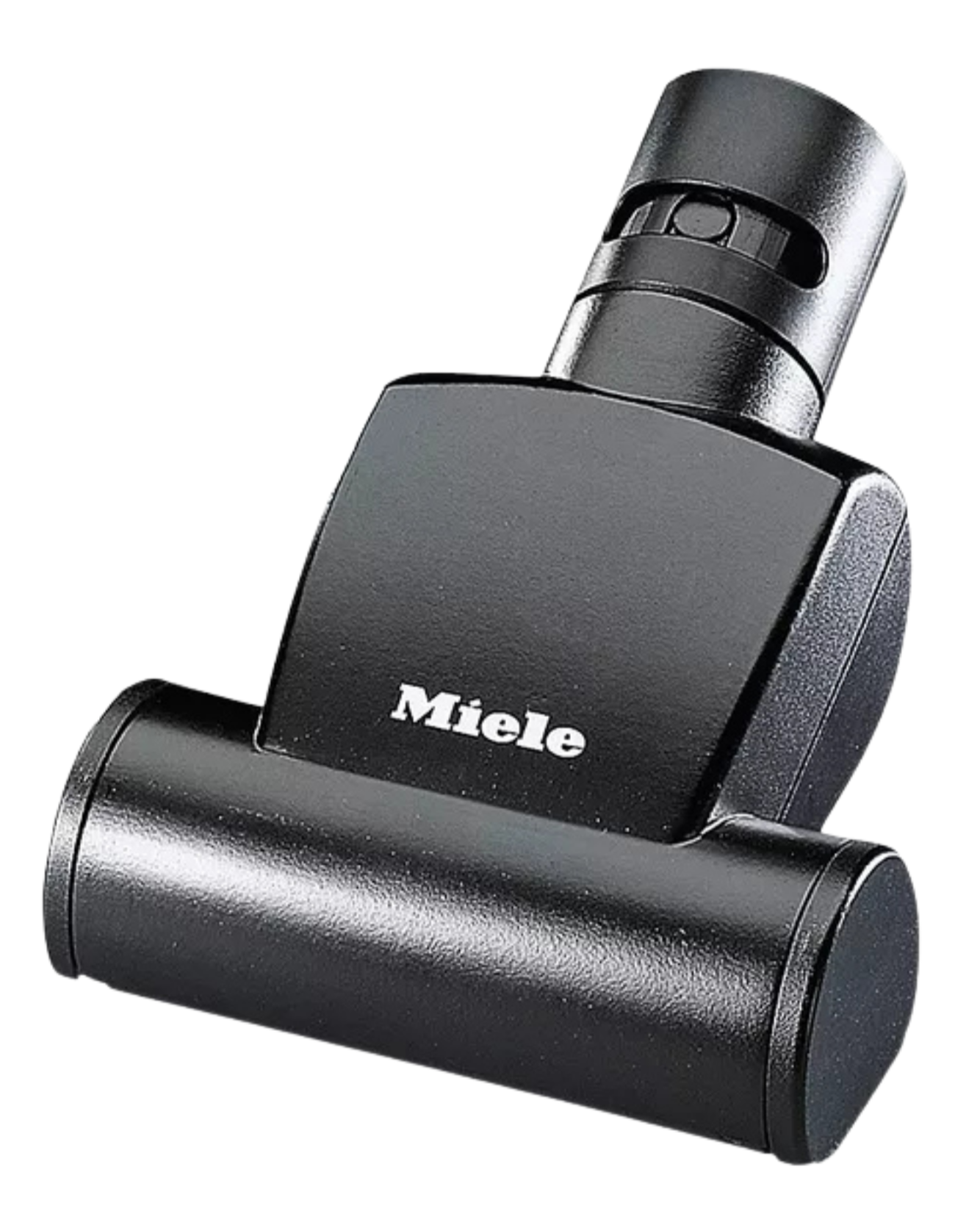
Power Brush
Mini motorized tool with a rotating brush roll
Great for stairs and furniture
A little more difficult to clean
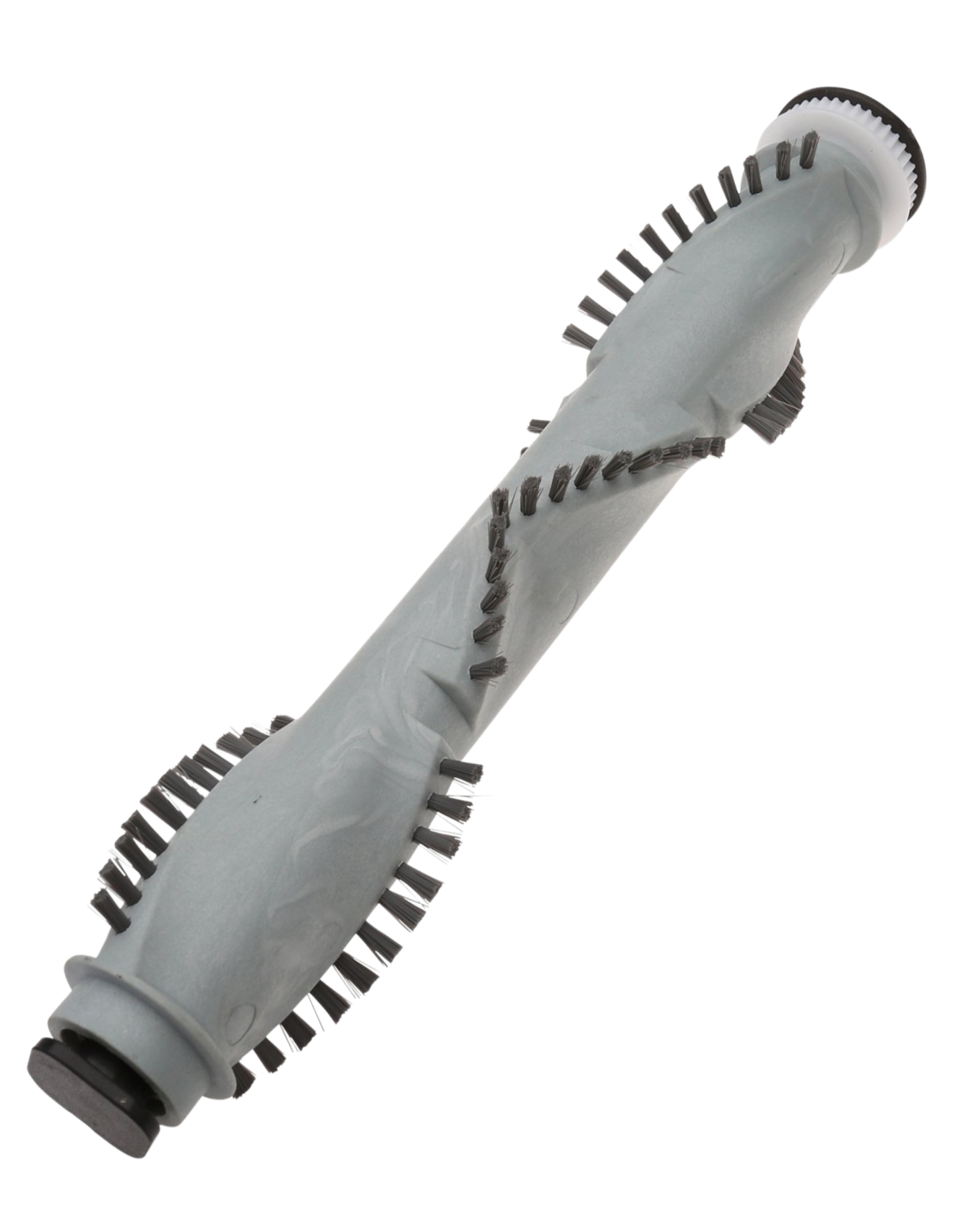
Roller Brush
The spinning bristles of the roller brush help to loosen and lift dirt and debris embedded deep within carpet fibers
Aids in moving debris into the suction path
Found in the base of most vacuums
Hair can be cut off and it can be wiped by hand without needing to remove it from the machine
12 Essential Cleaning Tips to Keep in Mind

Time is precious - be efficient
Let time do the work for you. For tough buildup, pre-soak with cleaner. Let it sit to loosen grime before scrubbing.

Overwhelm -
Avoid it
Don’t just wing it - come up with a game plan.
Pick one room or set a 30-minute timer - whatever works best for you. Be realistic with your goals, and don’t feel like you have to clean everything at once.
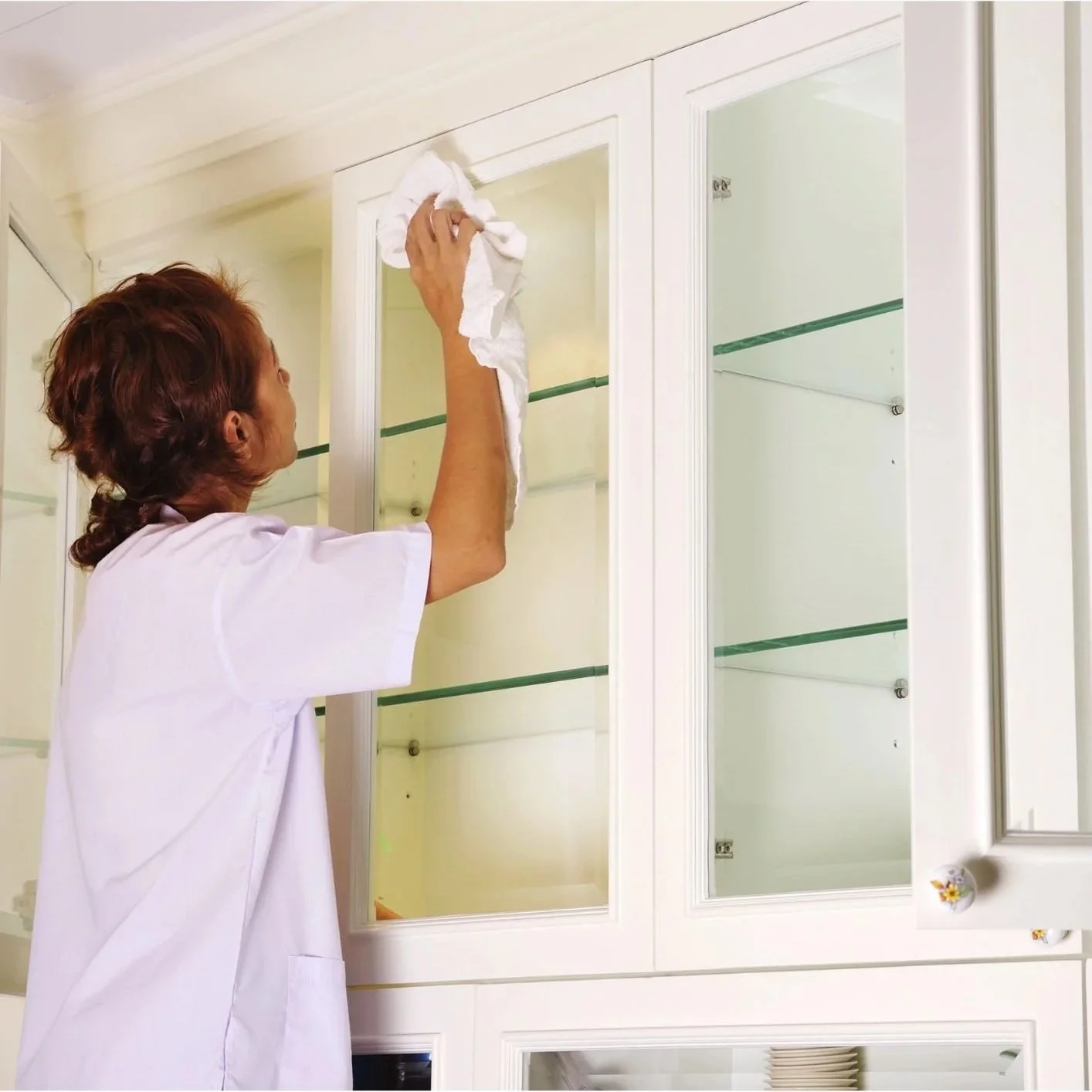
Clean from top
to bottom
Save yourself from having to redo your work. If you clean floors before ceiling fans, you’ll create more work for yourself and need to reclean the floor. Avoid this by cleaning high to low.

Less is More
Cleaning products don’t really expire like medicine does. However, you don’t need much - avoid unnecessary clutter by having just the surface-safe essentials needed to maintain your kitchen, bathroom, surfaces, and flooring.
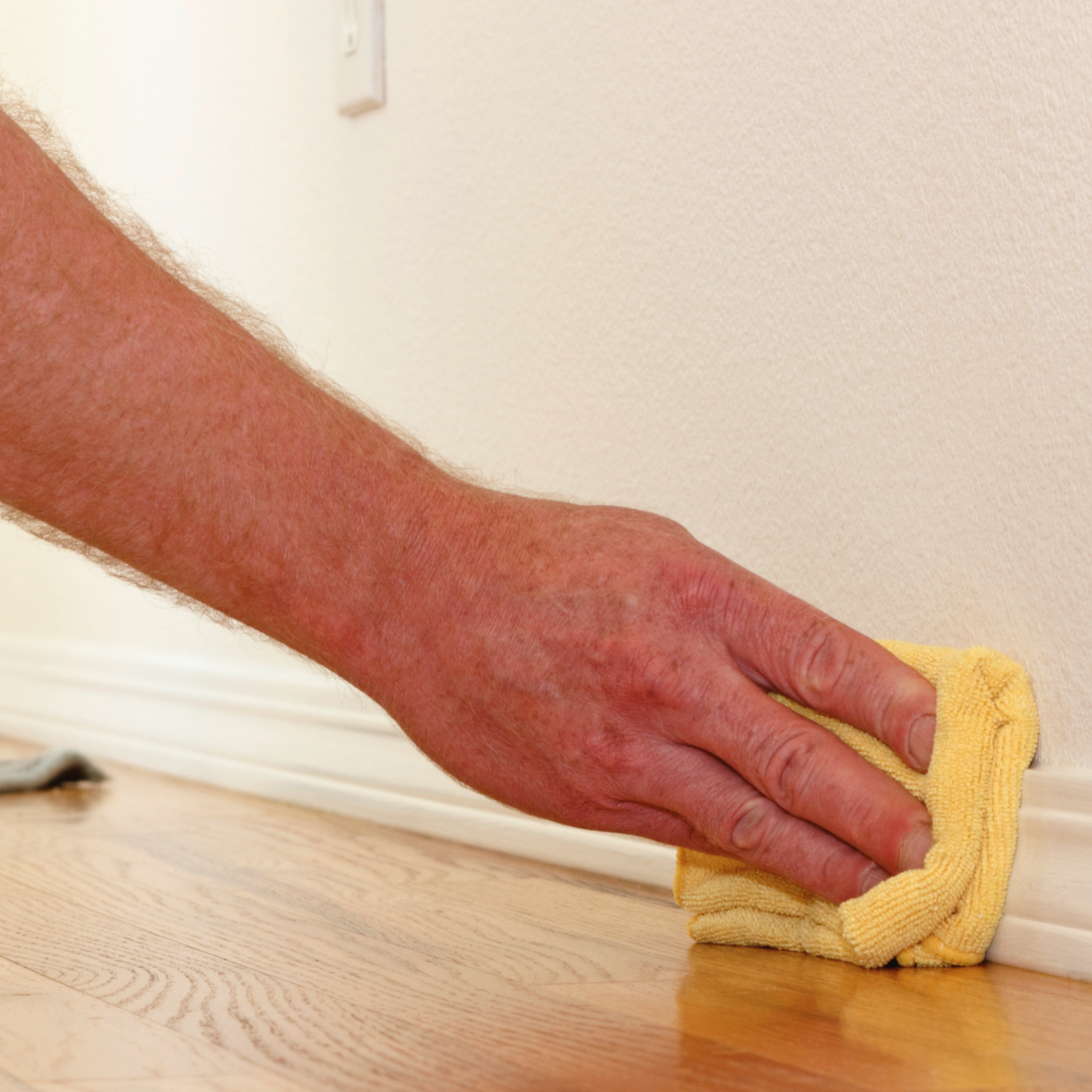
Out-of-sight and out-of-mind areas
(Need love too)
Doors, trim, underneath/behind furniture and appliances, fixtures, inside cabinetry, etc.
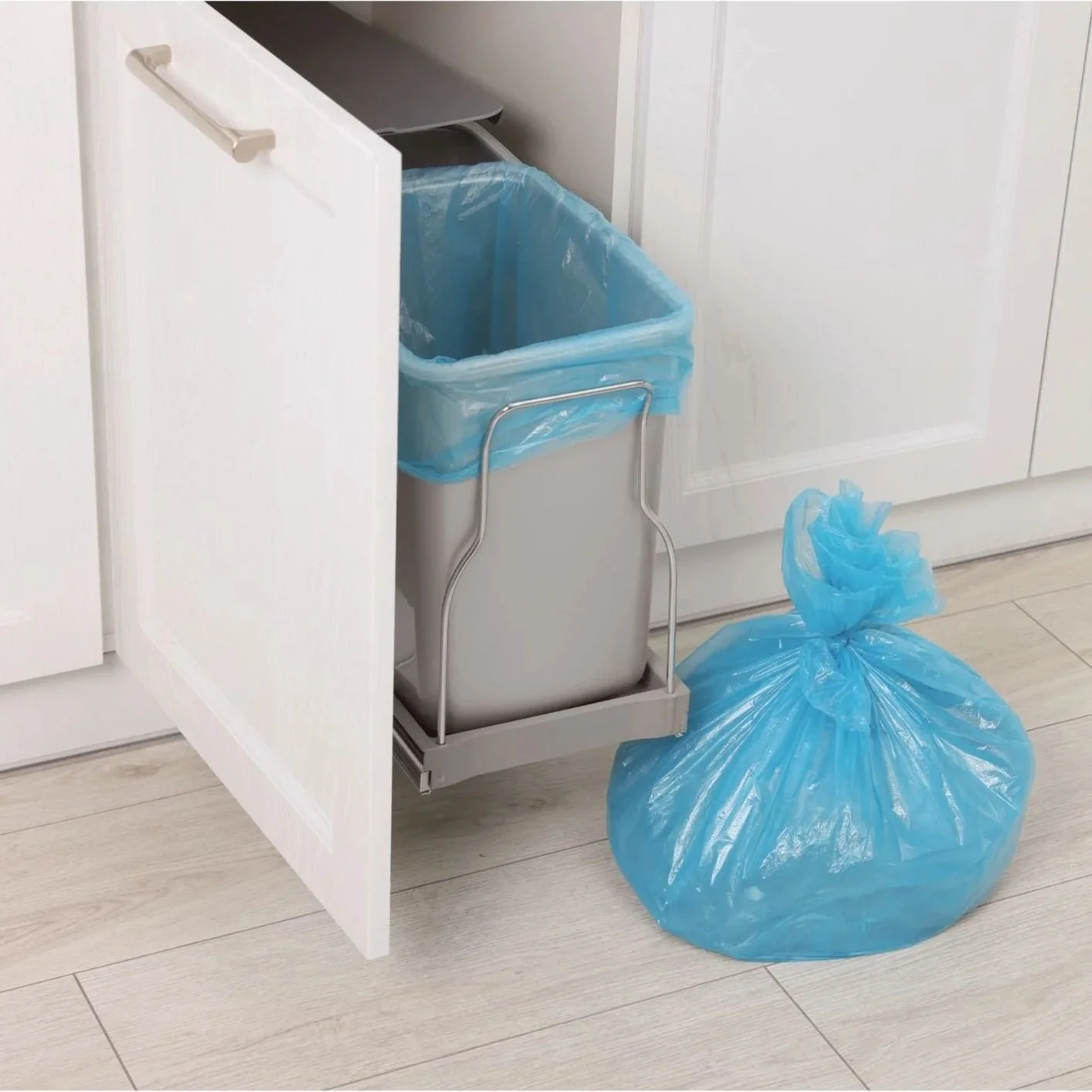
Clean your bins
Trash bins - inside or outside - need regular cleaning too. Wipe spills right away and deep clean them a few times a year (including cabinet bins) to prevent buildup, odors and pests.
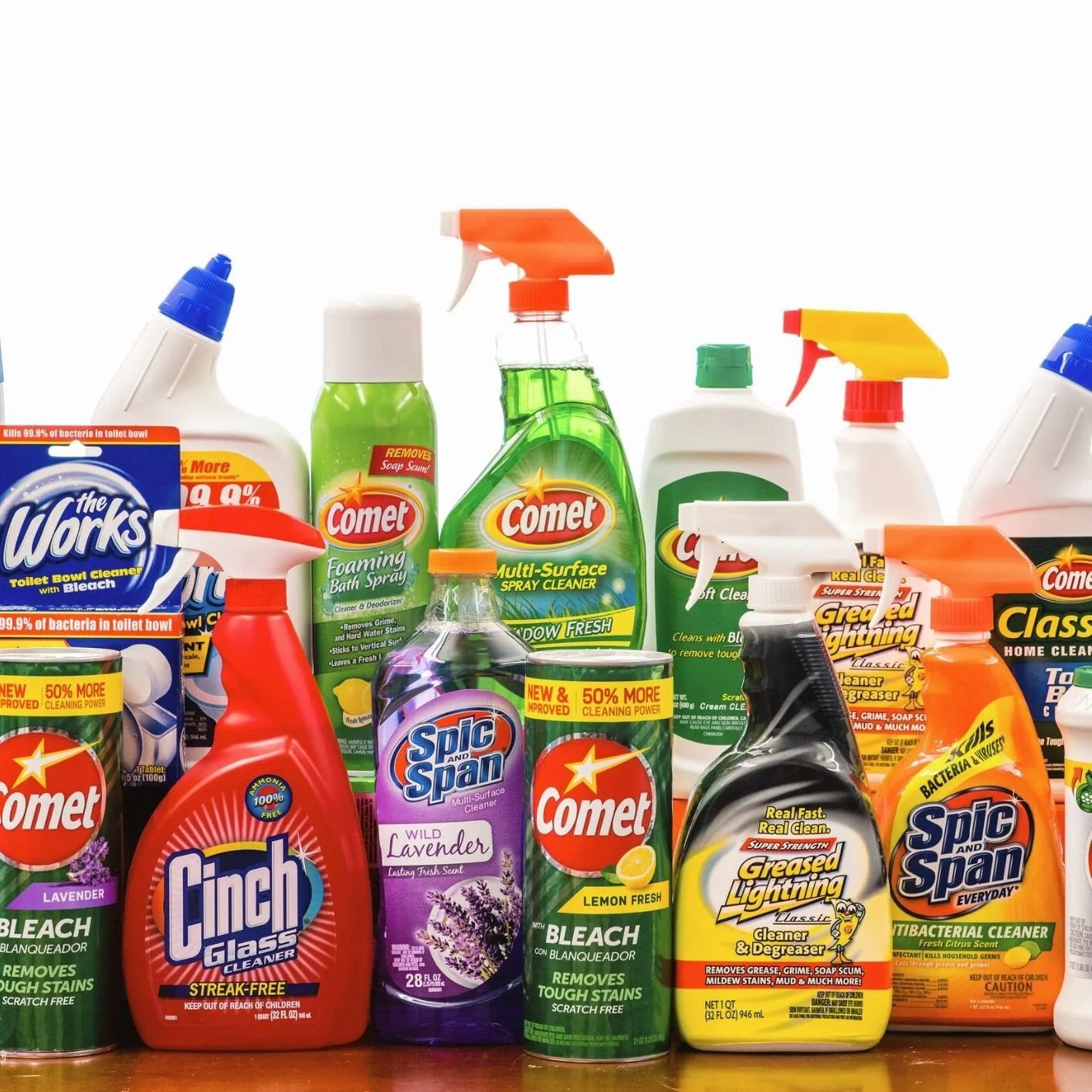
No mixing chemicals without thorough research
(Regardless of what you see on TikTok)
More does not equal better. It’s just excessive and unnecessary. More importantly, it is hazardous.
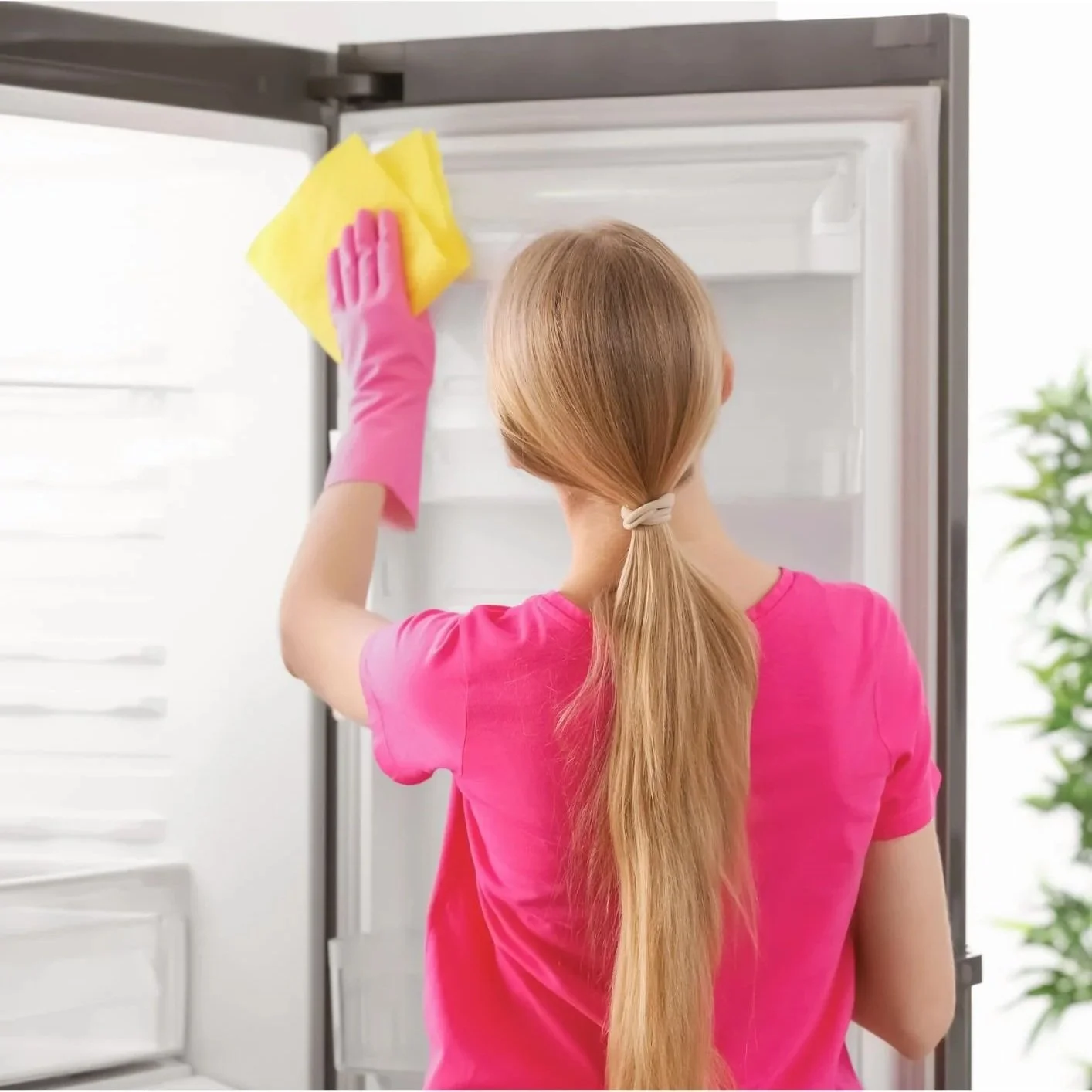
Disinfect the fridge
You don’t want to risk bacteria or a terrible odor, maggots, etc. Clean up spills as they happen and keep your fridge sanitized to avoid getting sick, unpleasant odors or unwanted guests.
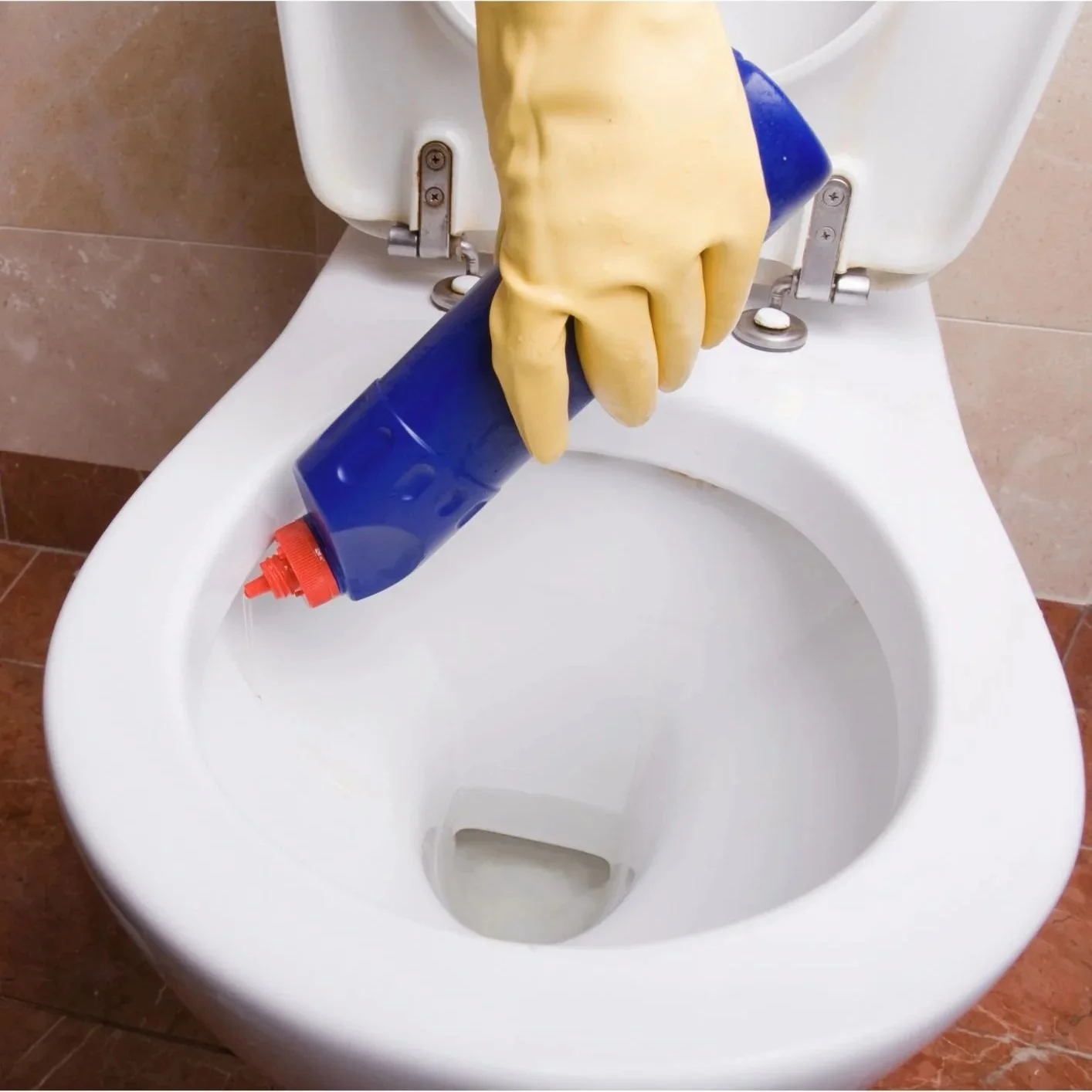
Never misuse toilet bowl cleaners
Extremely corrosive!! Can cause irreversible damage!!

Clean your cleaning tools
Scrub brushes and sponges need disinfecting too. To avoid spreading germs, make sure that all of your tools and equipment are sanitized after each use.
Replace if necessary/as needed.
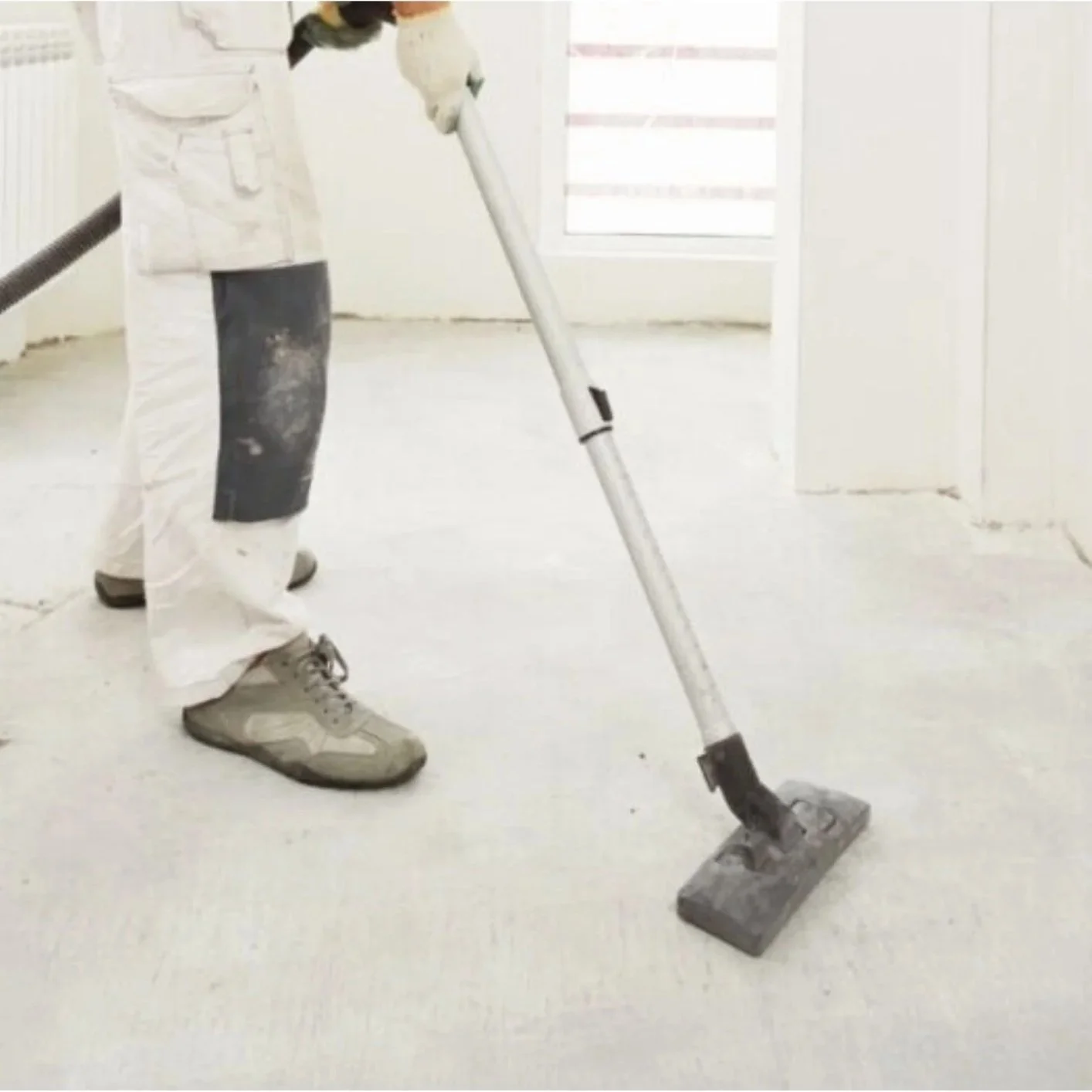
Work smarter not harder
Using dusters and brooms during post-construction cleaning just stirs dust into the air, causing it to resettle later. To minimize this, focus on vacuuming and wiping surfaces with a damp cloth instead - some dust will still settle, but much less.
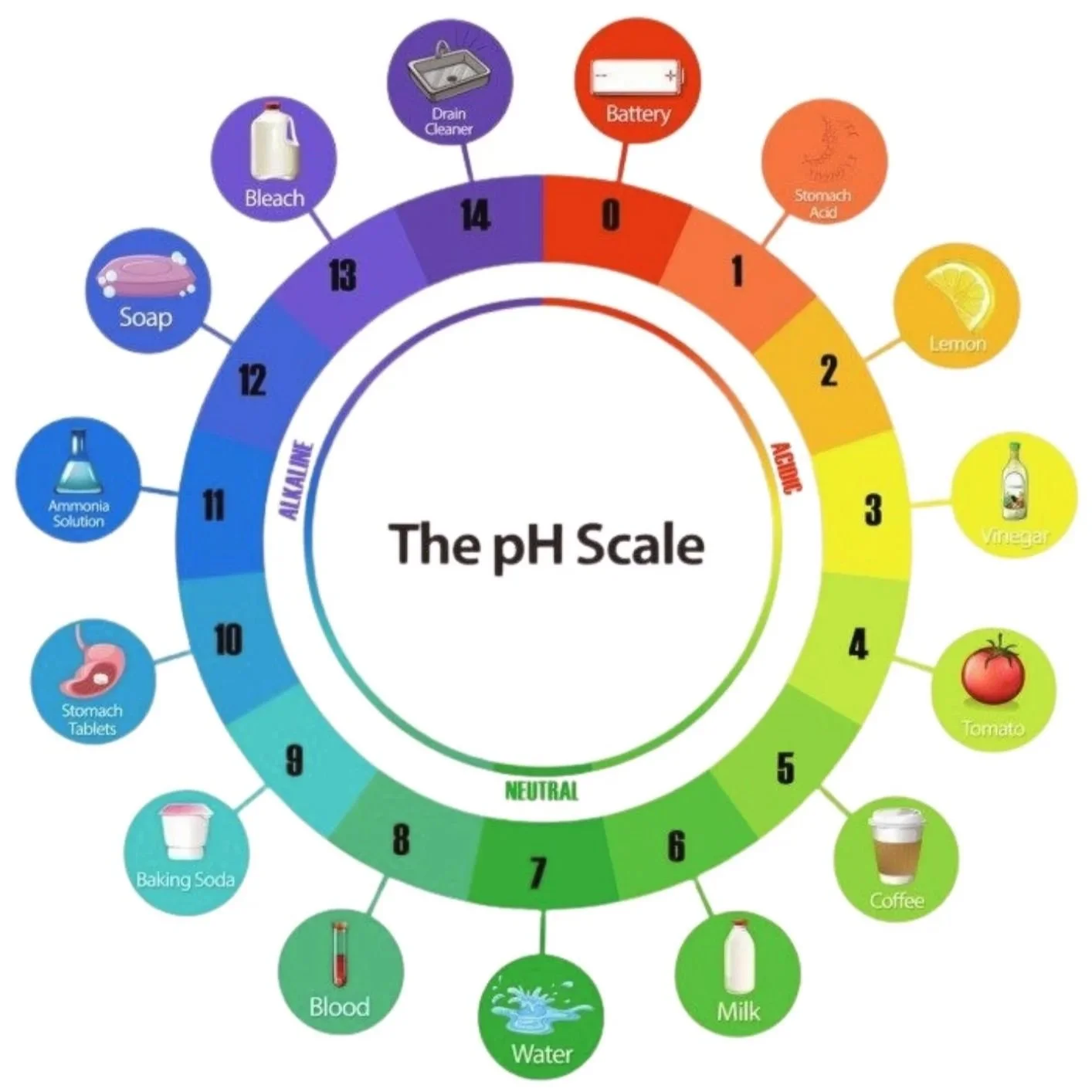
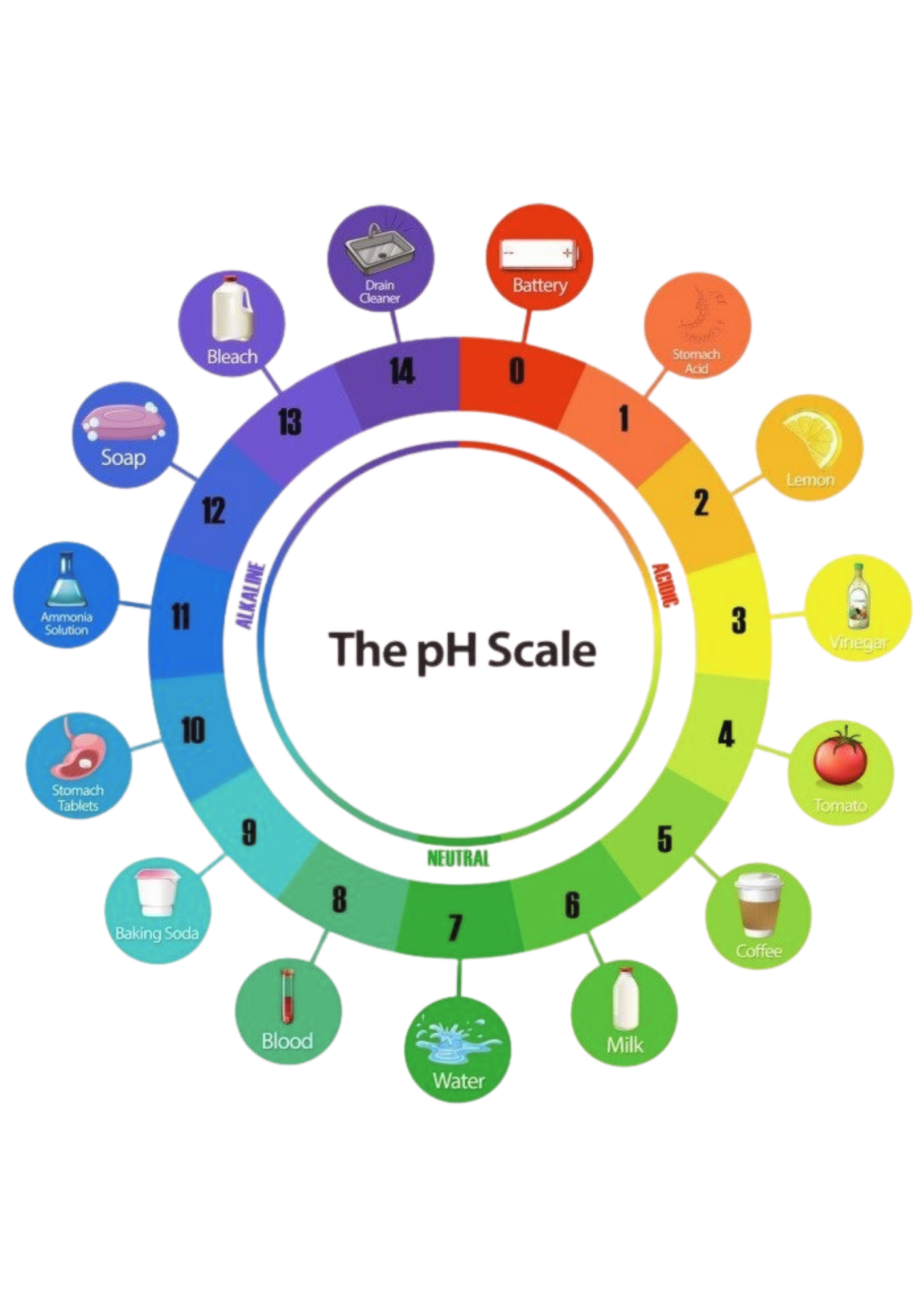
pH Matters
Know what the surface is made of. Use a product that is safe/won’t damage.
Cleaning Doesn’t Have to be Complicated or Stressful
Maintaining a clean home is essential for creating a healthy, comfortable, and inviting living space. With the right cleaning tips and high-quality cleaning essentials, your routine can become faster, easier, and more effective. Remember, a clean home isn’t just about how it looks - it’s about peace of mind, better hygiene, and the joy of living in a space that is not only clean, but truly yours.